The Ultimate Wedding Planning Checklist: Every Step from Engagement to Wedding Day

You’re engaged! So, what now? Although wedding planning is an incredibly special and emotional time, it can also feel overwhelming – which is why you need a wedding planning checklist.
From big decisions such as deciding your wedding budget and choosing your venue, to smaller but equally meaningful decisions such as picking your wedding makeup artist and finding a florist, there’s so much to do, and it can quickly feel overwhelming.
Don’t tell your wedding party, but your wedding planning checklist will become your ultimate best friend, with a wedding planning timeline essential to help you break the process down into manageable steps so you can stay organised and enjoy the journey to your big day rather than feeling stressed.
Our wedding planning checklist drills down to exactly what to do and when, so your wedding planning experience is easy breezy. Get ready to dive in.
Start your wedding planning checklist on Bridebook
When to Start Planning Your Wedding

If you’ve read our 2026 UK Wedding Report, you’ll know the average engagement length is 23.8 months and while that might sound like a long time for planning, there are benefits to starting your wedding planning early.
Firstly, the sooner you start planning the more you can spread it out (nobody wants to cram two years’ worth of wedding admin into six months). Planning your wedding over a longer timeline results in less stress in the end, plus if you start planning sooner rather than later, you’ll have your pick of wedding venues and vendors. Leave it until nearer the time and your dream venue, florist and entertainment are less likely to be free.
Venues often get booked up several years in advance – especially for summer weddings, and even more so, summer weekend weddings – so getting your venue locked in early is essential. You might even score early bird booking discounts by planning further in advance – and when you get to the wedding budget side of things, you’ll realise every little helps.
Wedding Planning Checklist: 12+ Months Before the Wedding
To do:
- Set your wedding budget
- Draft your guest list
- Choose your wedding date
- Book your venue
- Research wedding suppliers
A year before your wedding is the time to sort the wedding big guns – we’re talking deciding on your wedding budget, writing your guest list (a draft at least – you can finesse this in time) and choosing your wedding date.
Realistically, you can’t do any wedding planning until your budget is set, because how much you have to spend on your wedding dictates every element of the day, from your venue to your caterers to your outfits.
One of the key elements of deciding your wedding budget is working out how to split your money between the various elements of the day. Luckily, we’re here to help you allocate your wedding budget with our wedding budget breakdown, to make sure you’re not left short on something that matters to you.
Once you’ve sorted your budget and decided on your wedding date (which will be influenced by your budget because summer weddings are more expensive while autumn nuptials tend to be more affordable), you can find and book your wedding venue. If you’re planning a civil ceremony, you’ll also need to give notice of marriage at your local register office — this is a legal requirement in the UK and must be done at least 28 days before the wedding.
These two wedding planning milestones dictate one another – if your heart is set on a specific venue, you might need to be flexible with your date, whereas if you’re tied to a certain date due to school holidays or for emotional reasons, you’ll need to look for a venue that can accommodate.
Wedding planning can feel like a puzzle, fitting all the pieces together to create the perfect picture – and with this in mind, the next pieces you need to put together are the venue and guest list, which are intrinsically tied together, too. If you’re having a huge wedding, you need a venue that can accommodate your friends and family, while a small guest list might not work at a large venue.
Start your wedding guest list with a rough number of people you can afford to accommodate and work from there. Unless you’re working with a large wedding budget, it pays to be ruthless when writing your guest list.
Some people work on the idea that if one half of the couple has never met the person (your future spouse might not have met your cousins, for example), then there’s no need for them to come.
Others work on a ‘A list’ of guests and a ‘B list’ of guests – people they couldn’t imagine their day without, and people who they’d like to be there, but it’s not the end of the world.
Sorting your guest list needs to happen at the start of wedding planning to eliminate disagreements later down the line.
Back to more practical, less emotional matters. At this point, it’s time to look for vendors such as catering, florists, photographer and videographer. Again, these are tied to your venue choice. Some venues have set suppliers they work with, so there’s no point in finding your perfect caterer until you know what the venue stipulates.
9–12 Months Before the Wedding
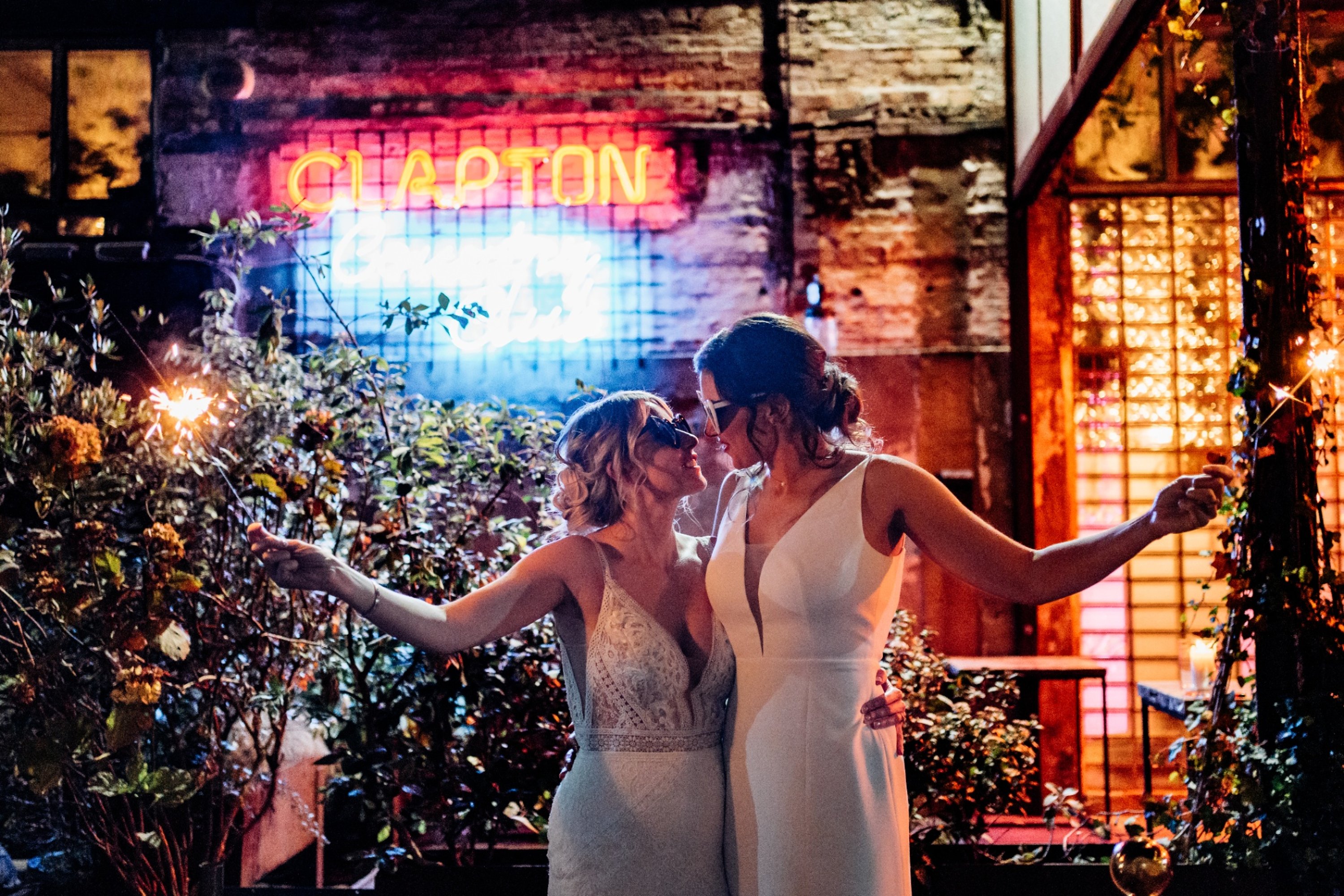
To do:
- Book a photographer and a videographer
- Choose wedding attire
- Decide on a wedding theme or style
- Book entertainment
Think of this period of wedding planning as your ‘vendor era’. It’s when you book your photographer, videographer (if you want wedding videos to capture the day) and your entertainment.
These are all elements to lock in sooner rather than later so you get your pick of wedding musicians, DJs and people who will immortalise your day in photos.
When choosing your photographer, their location needs to be considered. If they’re local to you at home but you’re planning a wedding in another part of the country, you need to ask if they’re willing to travel, and if yes, you’ll need to book accommodation or travel for them. If this is the case, add that to your to-do list to avoid unexpected admin nearer the big day.
Two fun tasks for this stage of your wedding planning timeline include choosing your wedding attire (Suits! Dresses! Now is the time to get shopping) and deciding on your wedding theme or style.
This is, once again, dictated in some ways by your venue. The feel of your venue will likely inspire the theme of your big day. Once you’ve visited the venue a few times, your wedding theme will likely materialise in your mind – or maybe you’ve known forever what your theme will be.
As for wedding dress and suit shopping, give yourself ample time for this. It’s a myth that nearlyweds find their dress in the first boutique they visit. Just like finding your partner doesn’t happen on the first date you ever go on, your outfits might require several appointments to find ‘the one’. With up to a year to go until your wedding, there’s no need to stress about finding your dress on your first appointment. Soak up the experience and take your time. Just like with your partner, when you know, you know.
6–9 Months Before the Wedding
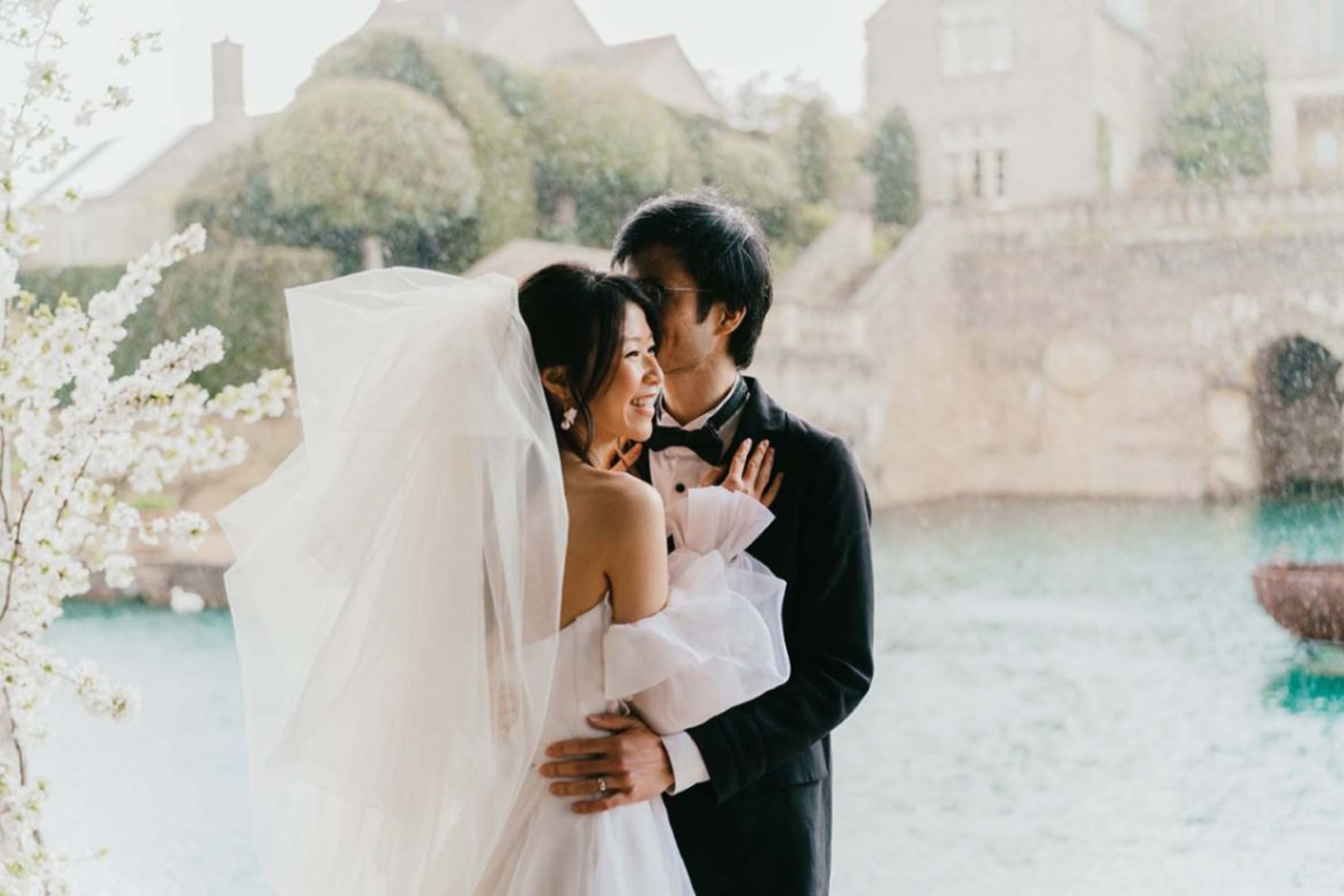
To do:
- Send save-the-dates
- Order your wedding dress
- Plan décor and flowers
- Book hair and makeup
Whether you found the wedding dress of your dreams in a bridal boutique or during an online shopping spree, now is a good time to order it. This gives ample time for alterations and to find all of your accessories.
With your dress locked in, six to nine months before the big day is the best time to secure your hair and makeup artist. Ask friends for their recommendations or look at social media profiles of local makeup artists and hairstylists and see who fits your vibe.
Once you find someone whose style you admire, they’ll likely arrange a meeting and ask to see photos of your dress in order to create your beauty look. Six months also allows time to have a couple of hair and makeup trials to make sure you gel with the stylist as well as like the look you create together.
More admin-heavy elements of this era of wedding planning include planning your décor and flowers (meetings with florists are crucial) and sending your save-the-dates out to your guests. The sooner you do this, the more likely everyone will be able to make it.
While posting physical save the dates used to be the done thing, digital versions are more efficient – and save you money, too!
3–6 Months Before the Wedding

To do:
- Send invitations
- Organise ceremony details
- Plan seating arrangements
- Confirm menu
Once you’ve organised ceremony details – big decisions such as timing, as well as smaller elements such as the readings you want, who will be performing the readings, the song you want to walk down the aisle to and so on – you can send your official invitations out. Again, these can be physical or digital. Read our article on wedding invitation wording to strike the perfect tone.
With invitation RSVPs flowing in, you can start planning your wedding seating arrangements at the reception and confirm the menu for your wedding breakfast with your caterer.
Many couples send menu choices with their invitations, hence why choosing your menu and sending invites fall into the same wedding planning timeline.
1–3 Months Before the Wedding
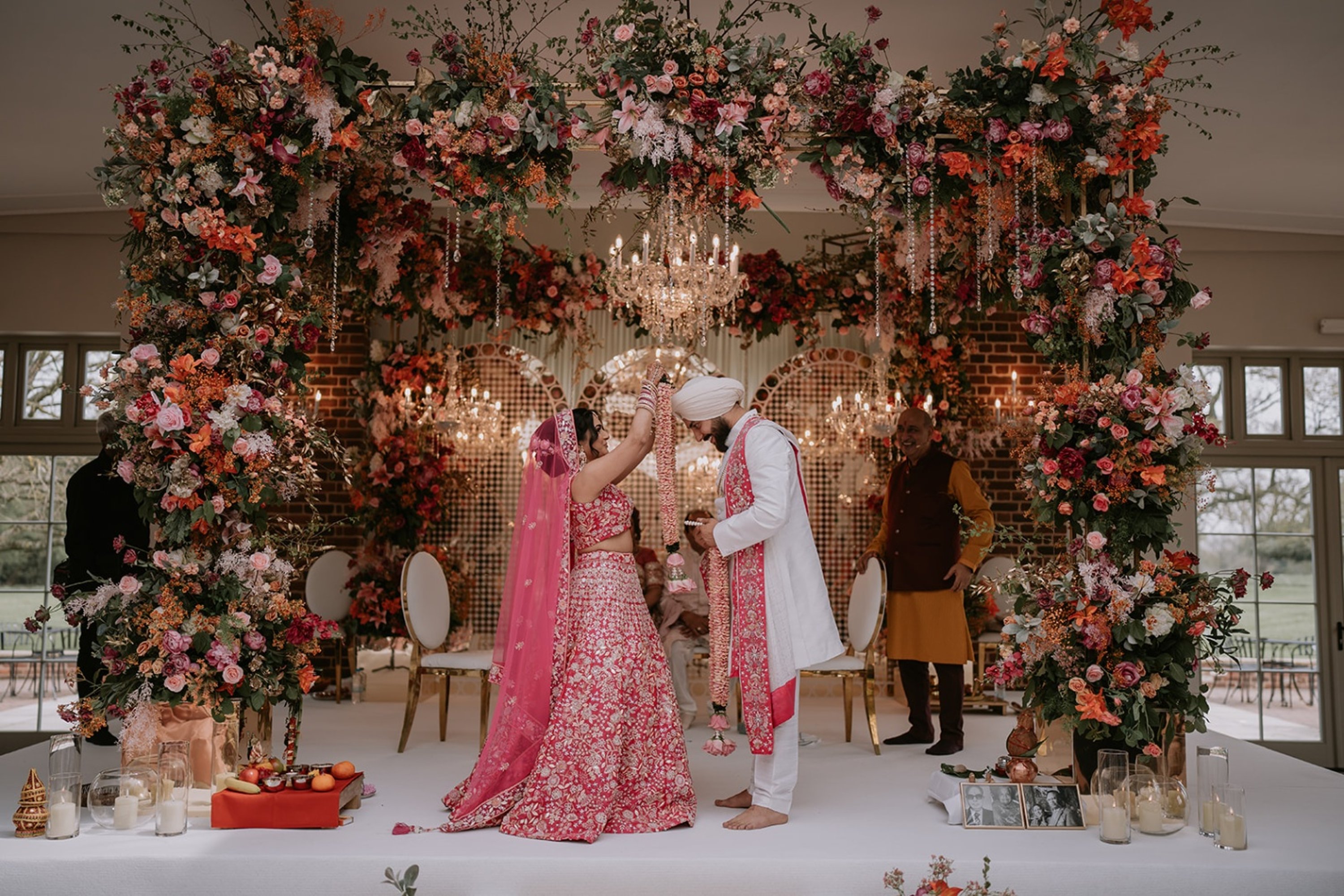
To do:
- Confirm vendors
- Final dress fittings
- Prepare wedding timeline
- Finalise speeches
It’s nearly W-day! Here’s hoping that at this stage you’re feeling cool, calm and collected, with most of the big wedding planning jobs ticked off.
One small yet admin- heavy ‘to-do’ at this stage is to contact all of your suppliers to check everything is as you’re hoping, while a larger job is deciding your wedding timeline, which includes everything from when your bridal party arrives for hair and makeup, to the cake cutting time, to the first dance.
It’s time to do your final dress fittings at this stage, and decide on the order of your wedding speeches, as well as writing them and making sure you feel confident and ready to go. We know a lot of nearly-weds who say they plan to write their speech the night before the wedding – each to their own, but we truly recommend getting it sorted around a month before the wedding so you feel prepared to stand up and deliver it in front of all of your guests.
The Week Before the Wedding
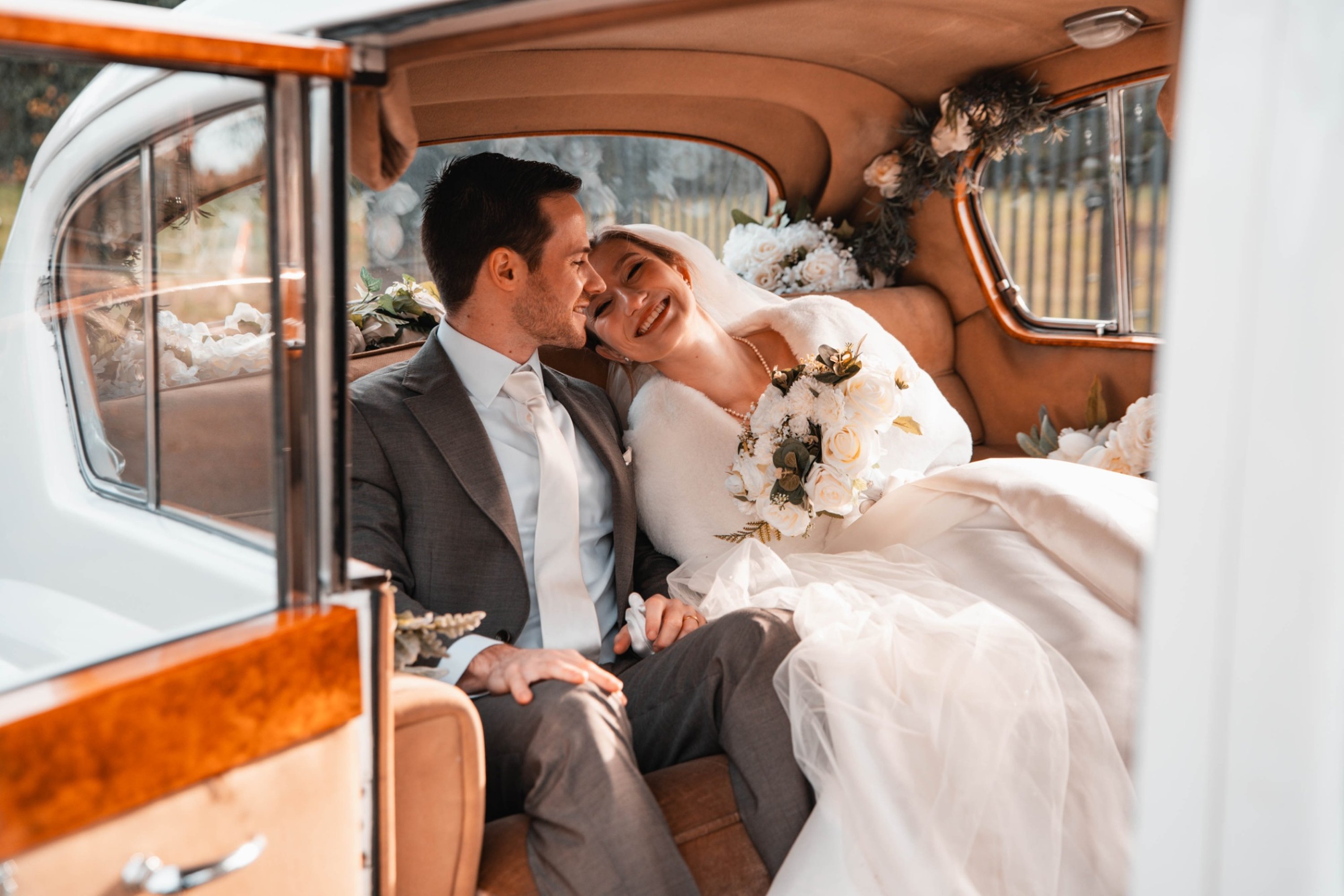
To do:
- Confirm supplier arrival times
- Prepare payments
- Pack an emergency kit
- Final rehearsal
Sorry – more admin! But hopefully after following Bridebook’s wedding planning checklist, you don’t have too much to tick off in the seven days leading up to your wedding – and even if it feels like there’s so much to do still, we promise, it will all come together.
Confirming your supplier arrival times is crucial to your day running smoothly, so make note of this and ensure your wedding venue is aware. Some venues have an ‘on the day coordinator’ and they’re a great person to hand the reins over to on the day itself. Simply write down everything they’ll need to know, including the phone numbers of your suppliers and when they’re set to arrive, and let them handle it.
Payments for your suppliers should be finalised at this stage so there are no bills to pay when you’re in your newlywed bubble – the last thing you want to be doing the day after your wedding is sorting bank transfers.
Something essential to do at this stage is to pack your wedding emergency kit. This will include plasters, pain killers and safety pins – all the little items you might need last minute on the day.
If you’re planning a rehearsal of your wedding (ideal if you’re nervous and want to do a trial run), the week before is a good time to do it. Organise the plan with your venue to make sure they can accommodate you.
We don’t necessarily mean leaning into the tradition of a rehearsal dinner, but if you want to add another special occasion to the run-up to your wedding, a dinner after your rehearsal is a fun time to get everyone together – it also allows everyone in the wedding party to meet, if they haven’t already.
Use Bridebook to Manage Your Wedding Checklist
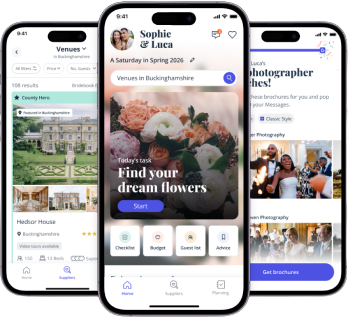
If you’ve got this far in your wedding planning journey, we can only imagine you’ve already realised what a priceless resource Bridebook is when you’re planning your wedding, but did you know that as well as providing endless inspiration for wedding themes, giving you the best first dance ideas and helping you find your dream venue, we’re also here for the practical side.
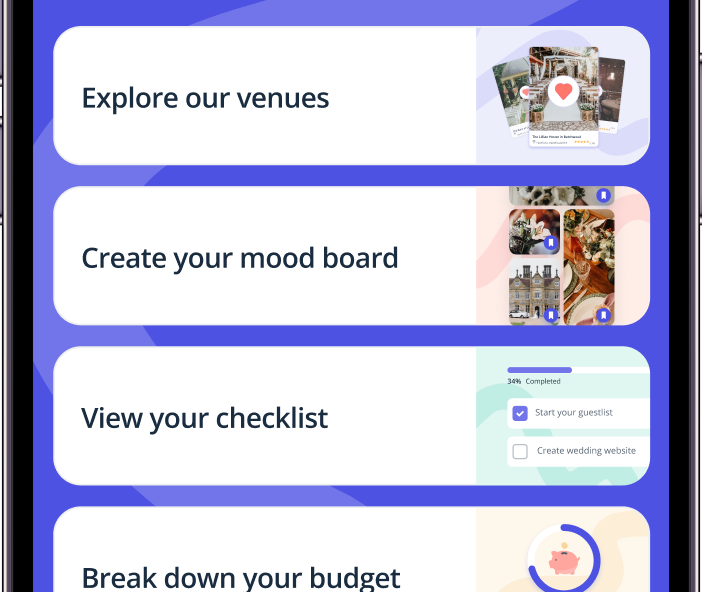
Our wedding planning tools can help you track the tasks on your W-day to-do list, help with managing your budget, assist with guest list RSVPs and keep on top of your supplier bookings.
Create your free wedding planning checklist
You Might Also Like…
- The Ultimate Wedding Ceremony Order
- The Best Wedding Day Timeline
- How to Save Money on Your Wedding: The Ultimate Cost-Cutting Guide
- Hidden Wedding Costs Every Couple Needs To Know About
- How to Ask Your Parents for Wedding Money
Related articles