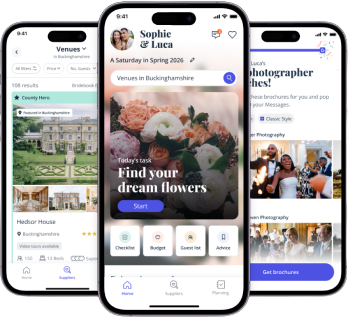
How to Choose a Wedding Venue: A Step-by-Step Guide

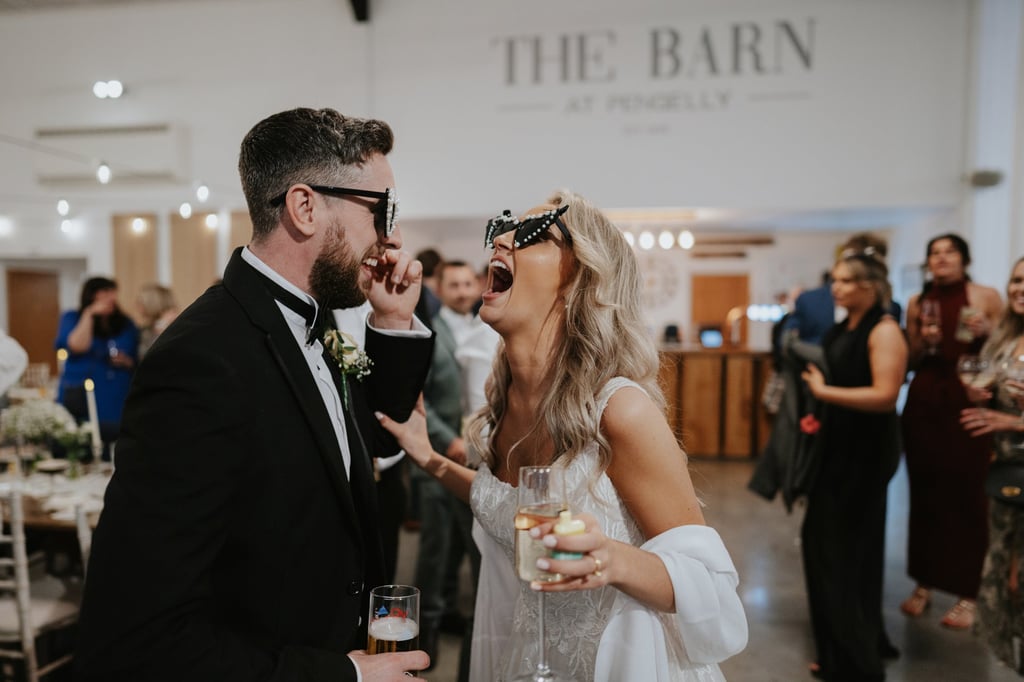
Choosing a wedding venue is the single biggest decision in your planning journey – it shapes your date, your budget, your guest list, and the entire feel of your day.
According to Bridebook data, couples browse an average of 14 venues online, shortlist around 10, and visit between three and five before making their final choice. That’s a lot of ground to cover, so knowing what to look for before you start will save you time, stress, and more than a few wasted Saturday afternoons.
Here’s exactly what to consider when choosing a wedding venue in the UK, drawing on insight from Bridebook, the UK’s #1 wedding planning platform used by over 2.8 million couples.
Disclaimer: This article is for informational purposes only and does not constitute legal advice. Always seek professional legal advice for your specific situation.
What Should You Decide Before You Start Viewing Venues?
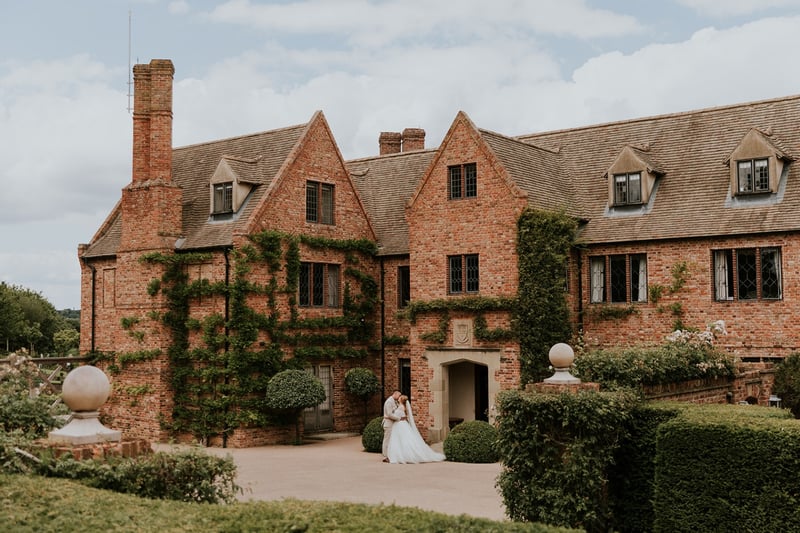
Before you open a single venue website, sit down together and agree on four things: roughly how many people you want there, the location, the style of venue you’re going for, and how much of your overall budget you’re prepared to spend.
These four factors are load bearing. Your guest count determines the minimum capacity you need. Your location determines how many guests can realistically attend. Your style narrows the venue type. And finally, your budget eliminates anything that isn’t viable before you fall in love with it – which is much kinder to everyone involved.
According to the Bridebook UK Wedding Report, the average UK wedding costs £20,604, and the venue typically accounts for the largest single slice of that. Have a go at using Bridebook’s free budget calculator to work out what’s realistic for yours before you start shortlisting.
It also helps to separate your non-negotiables from your nice-to-haves early on, so write them down. “outdoor ceremony space” might be non-negotiable, while “on-site accommodation” might be a nice-to-have. Knowing the difference stops you making decisions based on features you’ll forget about by the wedding day.
What Type of Wedding Venue is Right for You?
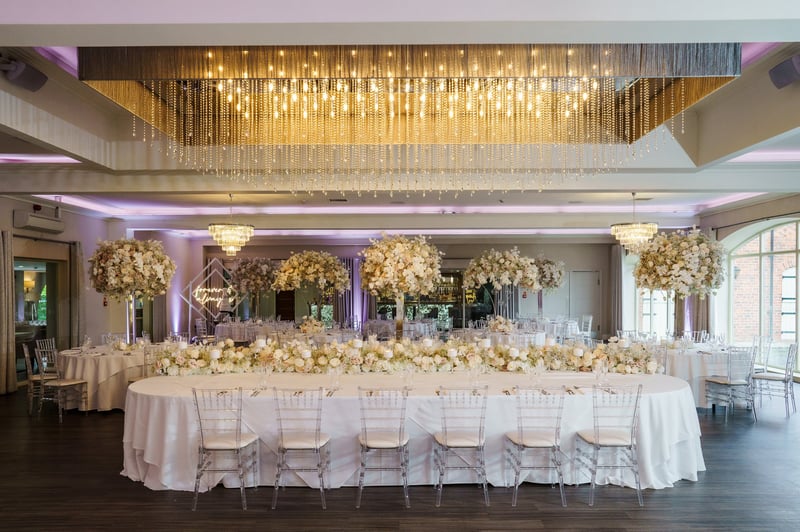
From barns and castles to private gardens and sky-scraping hotels, wedding venues range from the traditional to the more unusual and will each suit different couples depending on their wedding style and aesthetic.
Our at-a-glance guide to the different wedding venue types makes it easier to see which style might be right for you:
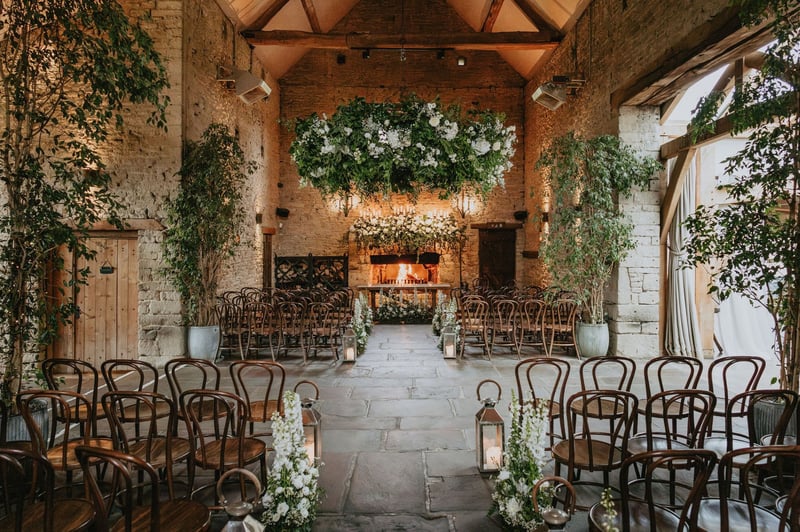
- Barns and rustic wedding venues: Filled with tons of natural beauty – think high ceilings, wooden beams, and scenic surroundings that often allow for outdoor weddings. Great for couples wanting a cosy and relaxed vibe.
- Hotel wedding venues: Whether in the city or outside of town, it doesn’t get more convenient than this. A hotel venue lends itself well to couples who need plenty of accommodation and on-site catering.
- Marquees, tipis and yurts: Perfect for those who want a blank-canvas space for endless potential, as well as an outdoor wedding venue for their reception.
- Gardens and woodland venues: Scenic and organic, with options for outdoor ceremonies.
- Historic houses and stately homes: For couples who want a truly memorable backdrop and a venue that exudes a sense of grandeur. Outdoor ceremonies on patios or landscaped lawns are often an option, too.
- Pubs and restaurant venues: For the laidback couple or those planning a more intimate wedding, these are relaxed, cosy and great for foodies.
- Industrial wedding venues: Great for urban couples who want a raw and modern backdrop to work with.
- Registry office wedding venues: For when a large and lavish ceremony is off the cards, registry offices and town halls make a chic choice. Great for couples who want a short and inexpensive service, and their wedding reception at a separate venue.
Location & Accessibility
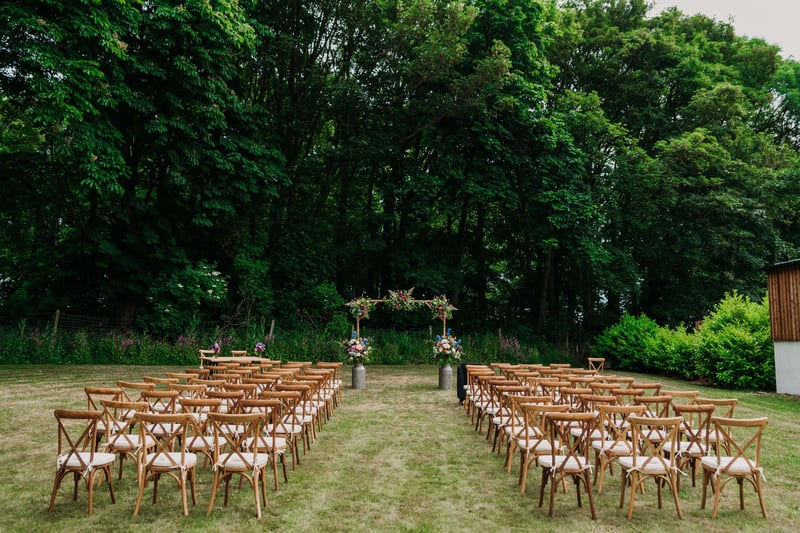
Where you get married will determine how many of your guests can be there – and how they feel when they arrive. Think about where most of your guests are travelling from, whether there are good transport links nearby, and whether parking is available for those driving.
Accessibility also matters: if you have elderly relatives, guests with mobility needs, or anyone travelling a significant distance, factor that in before you become attached to a venue. A beautiful barn at the end of a country lane can create real logistical challenges if your guest list is spread across the country.
It’s also worth thinking about where you and your partner want to be on your wedding morning. Some couples want to get ready on-site. Others want a night before elsewhere. Neither is wrong, but it affects which venues make practical sense.
Catering & Supplier Flexibility
Catering is one of the areas where venue policies vary most significantly, and where hidden costs can catch couples off guard.
Before you fall for a venue, get clear on three things:
- Do they have an in-house caterer, and is it mandatory? Some venues require you to use their preferred caterers, which limits your options and can significantly affect your food budget.
- Are they open to external suppliers? Dry hire venues give you total flexibility but mean you’re sourcing everything yourself. That’s more work, but it can also save money if you have specific suppliers in mind.
- What’s included in the catering package? Ask for a per-head cost across different menu options, not just the headline figure. Corkage fees, cake-cutting charges, and late-night snack costs can add up quickly if they’re not included.
The same principle applies to other suppliers. Some venues have preferred supplier lists you’re expected to use; others are fully flexible. If you have your heart set on a particular photographer or florist, check early that the venue will accommodate them.
How Many Guests Can the Venue Actually Hold?
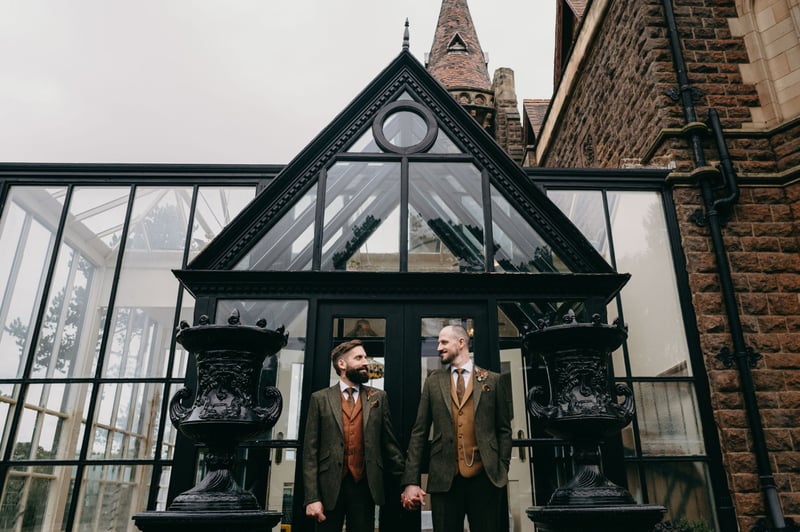
Venue capacity isn’t just about whether everyone fits; it’s about whether everyone fits comfortably, in a layout that works for the day you’re planning.
Check the seated dinner capacity and the evening reception capacity separately; they’re often different figures. A room that holds 100 for a sit-down meal might hold 150 standing for an evening do, or it might feel cramped at 80 once you’ve factored in a dance floor, a band, and a photo booth.
Ask venues to show you floor plans, not just quote headline numbers. Think about the flow of the day: where will guests move between the ceremony, drinks reception, and dinner? Is there a natural route through the space, or will it feel disjointed? Is there a separate space for the ceremony, or does the room need to be turned around between the service and the meal, and if so, how does that work logistically?
If your guest list is still uncertain – which it often is at this stage – ask venues how they handle tables for a range of numbers. Some spaces adapt well; others feel noticeably empty when they’re not at full capacity.
What’s Included in the Price?
Don’t get caught out by hidden costs. When discussing wedding venue hire costs and packages, always ask about the following and whether they’re included in the total price – these generally will be:
- Catering
- Hire of the ceremony space (if applicable)
- Facilities such as toilets and a bar area
- Tables and chairs
- Table linens, crockery, and cutlery
- Lighting and basic styling items
- Honeymoon suite/use of a getting-ready room on site
- Staff and next-day clean-up
- On-the-day coordination/an event manager
The following things are more commonly charged as extras:
- Menu add-ons
- Drinks packages
- Babysitting and creche services
- Additional décor, styling, and stationery
- Accommodation for guests and the wedding party
Accommodation & Overnight Guests
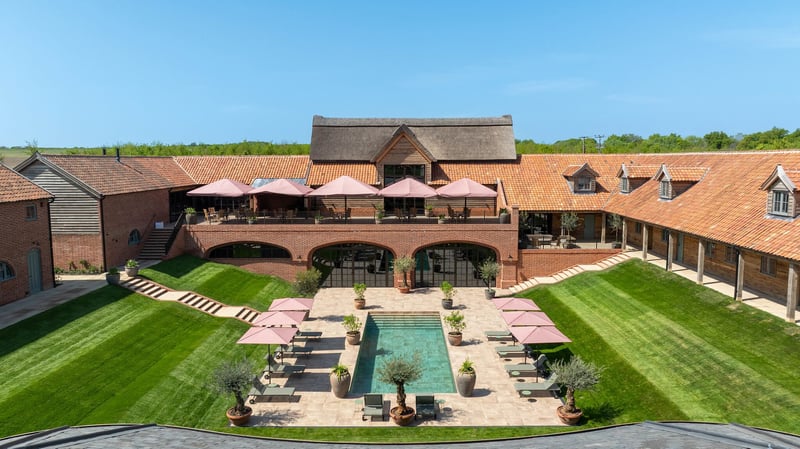
On-site accommodation won’t be a priority for every couple, but if it matters to you, work out exactly what’s available and on what terms before you get too attached to a venue.
The key questions to ask your wedding venue about accommodation are:
- How many bedrooms does the venue have, and are they reserved exclusively for wedding guests?
- Is there a minimum room night commitment, and what’s the per-room cost?
- Does the venue offer a honeymoon suite, and is it included in the wedding package or charged separately?
- Are guests expected to vacate their rooms at a specific time on the wedding day or the next day?
If on-site accommodation is limited, it’s worth asking the venue for a list of recommended nearby hotels or B&Bs and checking transport links between them and the venue – you can add this information to your wedding website.
Guests who are expected to navigate unfamiliar roads late at night are guests who leave earlier than you’d like.
How Far in Advance Should You Book Your Venue?
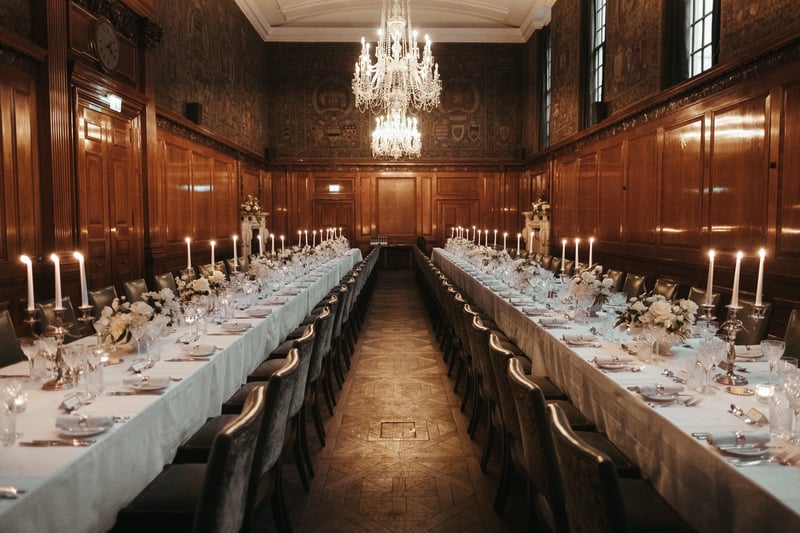
Ideally you should look to book your wedding venue 12-18 months ahead of the wedding day, but since that’s not always possible, especially for those planning something last minute, the short answer is as soon as you can!
The most sought-after wedding venues can get booked up two years in advance, so if you have your heart set on somewhere, get that deposit down as soon as you can.
The date and time of year you want to get married will also have a big impact; weekend dates during peak season (May to September) will get booked up 12-24 months out, so if you’re looking to book much closer to the day, you’ll need to be flexible and consider midweek and off-season dates.
What Should You Ask on a Venue Viewing?
Before you sign on the dotted line and part with your hard-earned cash, there’s a few things you’ll need to know. For the full breakdown, check out our guide to the key questions to ask your wedding venue.
- Will we have exclusive use? Many venues do offer exclusivity these days, but it’s always worth checking if you don’t want to be bumping into strangers on the day – or other newlyweds for that matter!
- Is there accommodation on site? If you’re expecting guests to travel from afar, it’s helpful to know what accommodation options are available to them.
- Is there anything we’re not allowed to do? If you have dreams of a grand firework finale but your venue doesn’t permit them, you may want to look elsewhere. Also look for other things in the small print, such as ‘no dancing in heels’, ‘no candles or naked flames’, or a policy on young children.
- How many hours can we celebrate for? Find out beforehand what time the venue is licensed until.
- Can we bring in our own suppliers? Some wedding venues have their own list of preferred suppliers which they want couples to stick to. Others are more flexible about who you bring in.
- Do you have a wet-weather plan? Be sure to ask this if you have plans for an outdoor ceremony or drinks reception. It’s also good to know the best spots to have your photos taken if the weather isn’t playing ball.
- How accessible is it? Don’t overlook this; the last thing you want is Grandma confined to one room.
- When can we access the venue? Some may be able to give you access the evening before; some will only allow access on the morning of – always ask so you can feed back to your suppliers.
Do Wedding Venues Need a Licence?
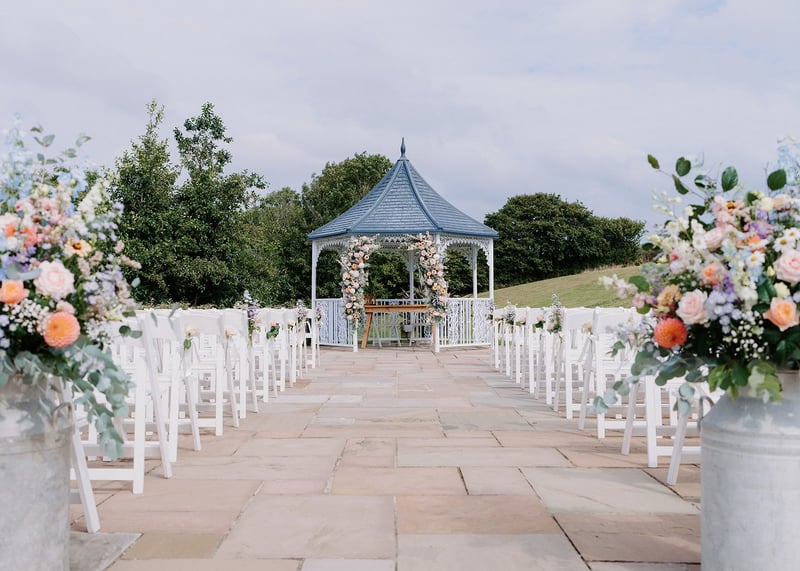
For your wedding to be legally valid in England and Wales, the ceremony must take place in a venue that holds a valid premises licence for civil marriages or civil partnerships or be conducted by a religious officiant in an approved place of worship.
Before you visit a wedding venue, confirm:
- It holds a current licence for civil ceremonies (you can check this with your local register office).
- The licence covers both indoor and outdoor ceremonies if you’re planning an outdoor element.
- It’s available on your preferred date and that the licence covers that date.
It’s also worth checking whether the venue has any noise restrictions or curfews that would affect your evening. A licence that requires music to stop at 10pm is a significant constraint if you’re planning a late-night reception.
Ask for this in writing, not as a verbal reassurance during a show-round.
Red Flags When Viewing Venues
Most wedding venues are professional, experienced, and genuinely lovely. But it’s worth knowing the red flags to look out for when booking your wedding:
- Evasiveness around pricing: A good venue will be upfront about costs, minimums, and what’s included. If you’re being given vague answers or kept away from a full breakdown, that’s worth noting.
- Pressure to book quickly: Urgency tactics – “we have another couple viewing this weekend” – are sometimes genuine but could also be used to discourage proper due diligence. Take the time you need.
- Multiple staff changes before your wedding: Ask about staff turnover and who your point of contact will be from booking to wedding day. Losing a coordinator who knows your plans can create real disruption.
- No supplier flexibility: Locked-in supplier lists with no explanation can indicate inflated package pricing rather than genuine quality control.
- Difficulty getting information in writing: Verbal promises made during a show-round carry no weight if something goes wrong. Any commitment that matters to you should be in the contract.
Always read the contract in full before signing, paying particular attention to cancellation clauses and what happens to your deposit if circumstances change.
“The couples who have the smoothest wedding days are almost always the ones who asked the hard questions early – about contracts, about coordinator continuity, about what happens if things change,” says Hamish Shephard, founder of Bridebook and owner of wedding venue Hedsor House.
“A venue that’s reluctant to put things in writing during the sales process is showing you something important about how they’ll behave when the pressure is on.”
Choosing Your Wedding Venue: FAQ
How many wedding venues should you visit before choosing one?
According to Bridebook data, couples visit between three and five venues before making a final decision, having browsed an average of 14 online and shortlisted around 10. There’s no fixed rule on how many you should visit but seeing at least two or three gives you a meaningful basis for comparison and means you’re less likely to book in haste and have doubts later.
What should I prioritise when choosing a wedding venue?
Start with the three things that can’t easily be adjusted later: capacity (to make sure all your guests fit comfortably), location (to make sure guests can get there), and budget (to make sure the venue is financially viable before you fall in love with it). Once those are confirmed, you can assess style, flexibility, and extras.
How far in advance should you book a wedding venue?
Most couples in the UK book their venue 12–18 months before their wedding date, though popular venues, particularly those in high demand for summer Saturdays, can be booked two years or more in advance. If you have a specific date or venue type in mind, earlier is always better.
What questions should I ask when viewing a wedding venue?
Ask about exclusive use, what’s included in the hire fee, catering options and flexibility, the capacity for both ceremony and reception, noise restrictions and curfews, what happens if your coordinator leaves, and what the cancellation policy is.
For a full breakdown, see our guide to questions to ask your wedding venue.
How much does a wedding venue cost in the UK?
According to Bridebook’s wedding survey, the average cost of a wedding venue in the UK (including catering) is £9,695 – or £6,040 without catering.
The wedding venue will account for around 30-40% of your wedding budget.
Discover wedding venues near you
Browse wedding venues on Bridebook, and filter by venue type, capacity, price, and more.
Why Trust Bridebook
Bridebook is the world’s #1 wedding planning platform, used by over 2.8 million couples. Our content is informed by real data from the Bridebook UK Wedding Report, which draws on responses from thousands of couples planning their weddings each year. Where expert input is included, contributors are named and their credentials verified. We update our articles regularly to ensure prices, statistics, and advice reflect current market conditions.
You Might Also Like…
- Dry Hire Wedding Venues: Everything You Need to Know (+ How to Find One)
- How Much Does a Wedding Cost in the UK?
- Questions to Ask a Wedding Venue: 30 Things to Find Out Before You Book
Related articles