Wedding Photography Prices UK: How Much Does a Wedding Photographer Cost?

Your wedding photos will outlast the flowers, the food and the playlist. Long after the day itself, they’re what you’ll reach for – on anniversaries, when you want to remember exactly how it felt, when you’re showing someone years from now.
So knowing how much to budget for a wedding photographer isn’t just a numbers exercise. It’s about understanding what you’re actually investing in.
Wedding photography prices in the UK typically range from £500 to £2,500. According to Bridebook’s 2026 Wedding Report, the average wedding photographer cost in the UK is £1,484 – with London and the South East usually running £200–£500 higher.
Below, we break down what drives that cost, what’s included at each price tier, and how to find a photographer that fits your day.
How Much Does a Wedding Photographer Cost in the UK?
Most couples spend between £500 and £2,500 on wedding photography, with the UK average sitting at £1,484, according to our average cost of a wedding data.
That figure covers a mid-range package with a professional photographer, full or most-of-day coverage, and an online gallery of edited images. It does not typically include a physical album, a second shooter, or an engagement shoot – those come with premium packages or as paid extras.
Here’s how the numbers break down by region:
| Region | Typical Range | Average |
|---|---|---|
| UK (national) | £500–£2,500 | £1,484 |
| London & South East | £700–£3,000+ | ~£1,700–£2,000 |
| Rest of England | £500–£2,200 | ~£1,300–£1,500 |
| Scotland / Wales / NI | £500–£2,000 | ~£1,100–£1,400 |
Why does it cost this much? You’re not paying for one day’s work. Behind every wedding gallery is weeks of prep – scouting, planning calls, travel – and hours of post-production: culling thousands of shots, editing, colour grading and delivering your final images. A photographer charging £1,500+ might spend 40–60 hours total on your wedding.
What Affects the Price of a Wedding Photographer?
No two quotes will look the same. These are the biggest variables that move the price up or down:
Experience and reputation
A photographer with ten years and 300 weddings behind them charges more than someone building their portfolio. That premium usually reflects consistency, calm under pressure, and a refined editing style – not just technical skill.
Hours of coverage
Most packages are priced by coverage time. A 4-hour ceremony-only shoot is a very different product to 10-hour full-day coverage from getting-ready through to the first dance. Be clear on what you actually want documented before comparing quotes.
Location and travel
Photographers in London and the South East charge more as standard. Add travel time, mileage or accommodation for venues further afield, and costs can rise further. If your venue is remote, check whether travel is included or billed separately.
Second shooter
A second photographer gives you wider coverage – both partners getting ready simultaneously, more angles during the ceremony, more candid guest moments. It typically adds £400–£600 to your package.
Post-production depth
Some photographers deliver lightly edited galleries of 400–600 images. Others offer fully retouched images, custom preset styles, or printed albums that require significant additional work. Both are legitimate – but they’re priced very differently.
Date and demand
Summer Saturdays are peak. Expect to pay more – and book earlier. Off-peak dates (winter, weekdays) can be a genuine way to save.
Equipment
Drone shots, specialist lighting and additional camera bodies all add to overhead, which feeds into pricing. Worth asking about if it’s important to your venue style.
Average Wedding Photography Packages: What’s Included?
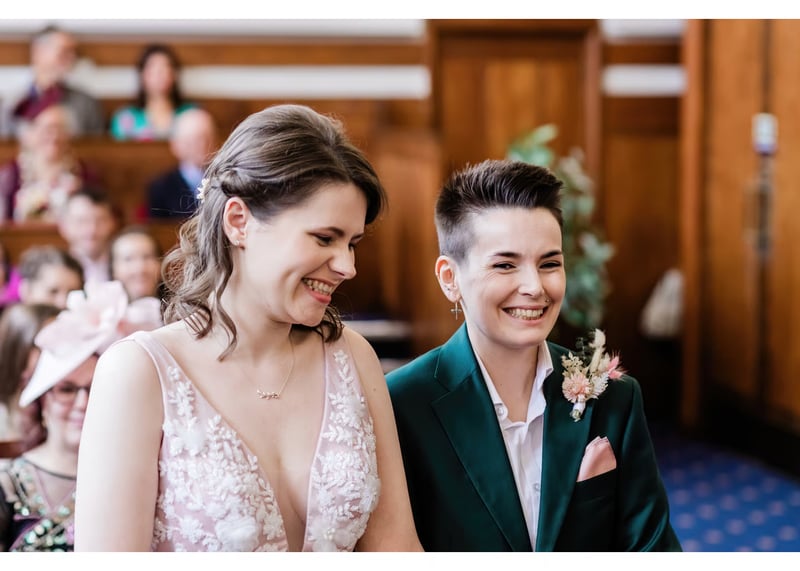
Use this as a starting point when comparing quotes. Packages vary widely – always check exactly what’s included and ask about extras before signing.
| Budget | Hours | What You Typically Get | Best For |
|---|---|---|---|
| Under £1,000 | 4–6 hours | 1 photographer, basic online gallery | Intimate ceremonies, registry office + reception |
| £1,000–£1,500 | 6–8 hours | 1 photographer, online gallery, some optional extras (album, USB) | Half-day coverage, smaller venues |
| £1,500–£3,000 | ~8 hours | 1 photographer (second optional), online gallery, album or keepsake | Standard full-day weddings |
| £3,000+ | 10+ hours | 1–2 experienced photographers, premium album, engagement shoot, personalised touches | Full-day venue weddings, luxury or destination |
What’s usually included across most packages:
- Coverage on the day (hours determined by package)
- Edited photographs via a private online gallery
- Usage rights for personal printing and sharing
Common paid extras:
- Second shooter
- Pre-wedding / engagement shoot
- Physical album or printed products
- Canvas or framed prints
- Copyright transfer (see note below)
A note on copyright: By default, your photographer owns the copyright to your images. A personal use or printing release – standard in most packages – lets you print and share freely. Buying full copyright later can be expensive, so clarify upfront if that matters to you.
Should You Hire a Second Shooter?
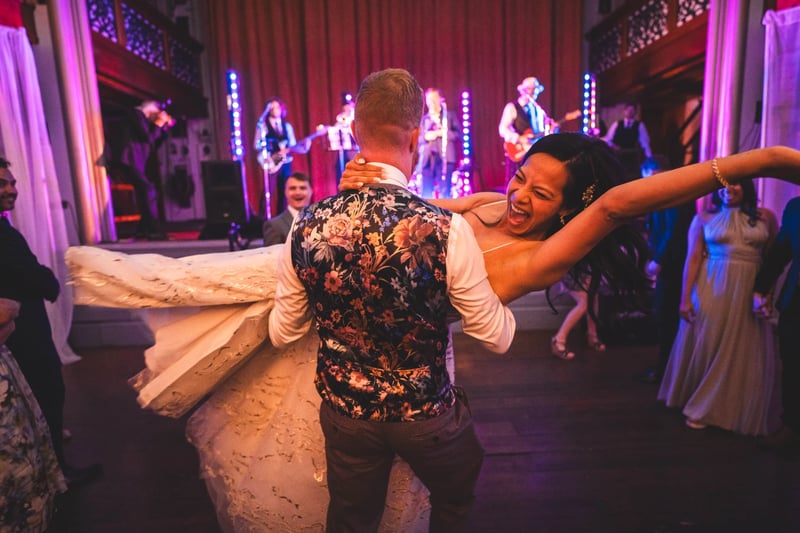
A second photographer isn’t essential, but it’s worth thinking about what you’d be gaining.
With one photographer, coverage follows a single perspective. With two, you can capture both partners getting ready at the same time, the ceremony from multiple angles, and more natural moments across the reception without the main photographer having to be everywhere at once.
For larger weddings (80+ guests), split venues, or if you know documentary-style candid coverage is important to you, a second shooter is a solid investment. For intimate ceremonies with a tighter guest list, you may not need it.
Most photographers who offer this charge an additional fee – expect around £400 – £600.
Wedding Photography vs Videography: Do You Need Both?
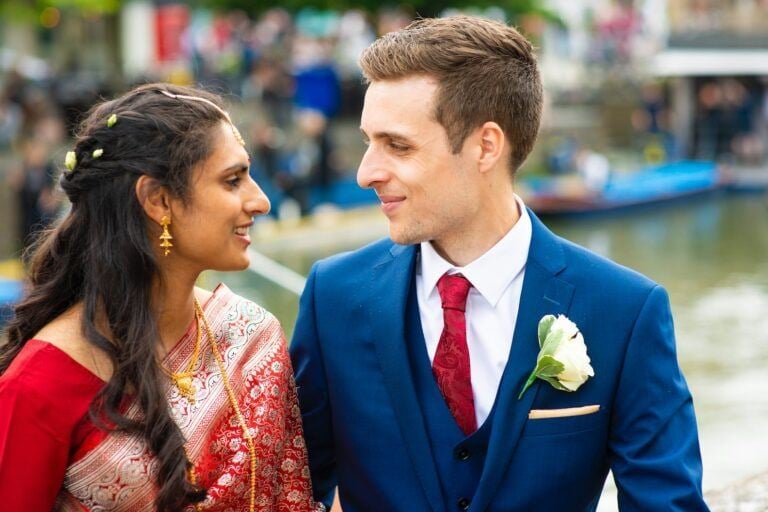
Photography and videography are very different products. Photos give you stills – the look, the light, the detail. Video gives you sound, movement, and the feeling of being back in the room.
According to Bridebook data, one third of couples choose to hire a videographer.
The average cost of a wedding videographer in the UK is £1,514 – almost identical to photography – with a typical range of £500–£2,500, depending on your package details. Find out more about wedding videographer costs.
If budget allows both, they work well together – and photographers and videographers who are used to working as a team are worth seeking out (they’ll stay out of each other’s shots and coordinate without you having to manage it).
If you’re choosing between them, most couples who’ve been through it say they’re glad they prioritised photography. But if the speeches matter, or you want to actually hear the vows again, video has something photos simply can’t replicate.
How to Find the Right Photographer for Your Budget
1. Start with style, not price
Browse galleries before you look at pricing. Most photographers have a defined aesthetic – light and airy, moody and documentary, bold and editorial. Find the style that fits your day first, then see where they land on budget.
2. Use Bridebook’s supplier directory
Search wedding photographers on Bridebook and filter by location, budget and style. Every profile includes portfolio images, real reviews and pricing information.
3. Book early
Good photographers – at every budget tier – fill their diaries fast. For summer Saturdays especially, 18-24 months in advance isn’t unusual. If you’ve found someone you love, don’t wait.
4. Ask the right questions before you commit
Before signing anything, make sure you’re clear on what’s included, what’s extra, how images are delivered, and what happens if the photographer is ill on your wedding day.
5. Don’t automatically take the cheapest quote
An inexperienced photographer is a real risk – not because they can’t produce great photos, but because weddings are unrepeatable. For most couples, this is a once-only shoot. Weigh the trade-off carefully.
Questions to Ask Before Booking
These are the questions to ask your wedding photographer – and they’re structured for couples who’ve done some research and are now comparing photographers:
- What’s included in this package, and what costs extra? (Albums, second shooters, travel – pin these down upfront)
- How many weddings have you shot? (Experience directly correlates with consistency)
- Can I see a full wedding gallery, not just your highlights? (Portfolio selects show their best; a full gallery shows their range)
- What happens if you’re unable to shoot my wedding? (Illness, emergency – do they have a contingency?)
- What are the image delivery timescales? (4-12 weeks is typical; confirm this in your contract)
- What usage rights do I have? (Personal use is standard; check if printing rights are included)
- Will you be at my wedding personally, or is it possible someone from your team attends? (Relevant for studios or agencies)
- Do you need a supplier meal? (Often overlooked – photographers are with you for hours)
FAQs
How much does a wedding photographer cost in the UK?
Most couples spend between £1,200 and £2,500. The UK average, based on Bridebook’s 2026 data, is £1,484.
London and the South East typically run £200-£500 higher.
What affects the price of a wedding photographer?
The biggest factors are experience, hours of coverage, location, whether you want a second shooter, and what’s included in post-production. Album options, travel costs and engagement shoots can all add to the total.
Should I hire a second shooter?
For larger weddings or if you want simultaneous coverage of both partners getting ready, a second shooter is worth it. Expect to pay additional costs for this service.
What’s included in a wedding photography package?
Most packages include on-the-day coverage, edited images delivered via an online gallery, and a personal use licence for printing and sharing. Extras like albums, prints and engagement shoots are usually optional add-ons.
How far in advance should I book a wedding photographer?
For summer Saturdays, 18-24 months ahead is common for popular photographers. For off-peak dates, 6-9 months is usually enough – but if you’ve found someone you love, book as soon as you can.
Ready to Find Your Wedding Photographer?
Browse hundreds of photographers across the UK – filtered by location, style and budget – on Bridebook. Every profile includes a portfolio, verified reviews and clear pricing.
Find wedding photographers on Bridebook
You might also like:
- The Ultimate Wedding Budget Breakdown
- How Much Does a Wedding Cost in the UK?
- Questions to Ask a Wedding Photographer Before Booking
- How Much Does a Wedding Videographer Cost?
Related articles