Hidden Wedding Costs Every Couple Needs To Know About


When you’re building your wedding budget, it’s easy to focus on the big-ticket items and forget the smaller costs that add up along the way. A few extra pounds here and there can catch even the most organised couples off guard if they’re not factored in from the start.
So what should you plan for? We’ve asked our experts and put together the inside scoop. Read on for the easy-to-miss wedding costs worth budgeting for from day one. Your future self (and your spreadsheet) will thank you!
Psst! If you want to make budgeting even easier, Bridebook is home to the most powerful wedding budget planner available. Simply enter your total wedding funds and in just one click, you’ll have your personalised wedding budget breakdown. Wave goodbye to spreadsheets and penny-pinching!
1. If you’re getting married in a church and want an organist, bellringer or choir, check whether this is included in the church fee. It’s usually a separate add-on, so it’s worth asking early and building it into your budget.
2. Your ceremony location can affect your overall cost. An off-site civil ceremony tends to come with a higher price tag than a ceremony at a registry office, so it’s worth comparing options as you plan.
3. Remember to budget for alterations on your wedding dress. The dress price is usually just the starting point — most dresses need around three fittings to get the fit just right, and that’s skilled work worth planning (and paying) for.
4. Factor in delivery costs where they apply. Many suppliers, from florists and cakemakers to hair and makeup artists, charge for travel when delivering from further afield — a fair reflection of their time and mileage, so it’s worth checking distance-based pricing upfront.

5. Check whether envelopes are included in the price of your wedding stationery — it’s a detail that’s easy to overlook, but worth confirming before you place your order.
Want even more wedding tips, tricks and inspiration? Check out our Instagram, TikTok and YouTube.
6. Another stationery-related one: factor in the cost of stamps, especially if you have guests abroad. Depending on the weight of your invitations and how far they’re travelling, postage can add up faster than you’d expect.
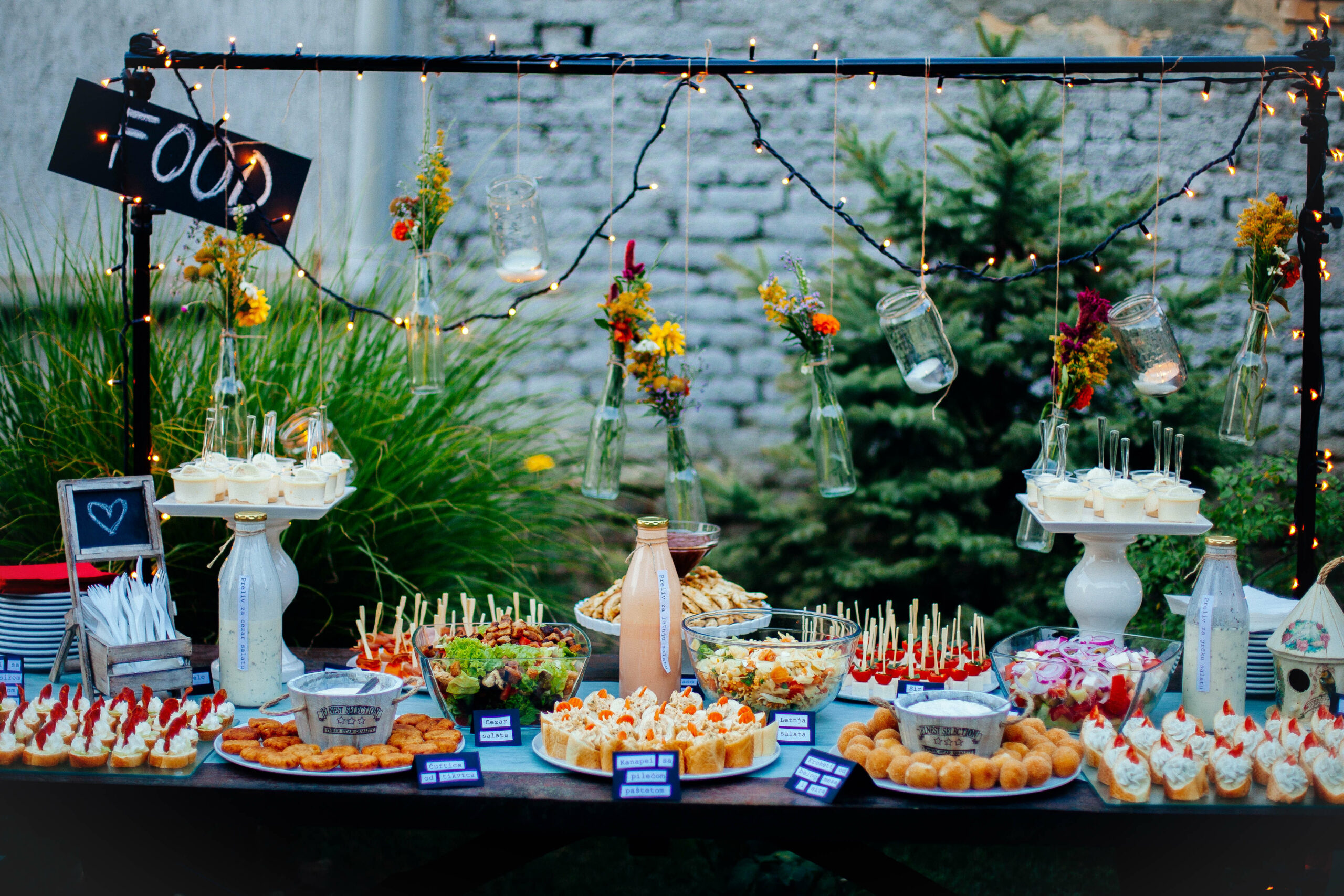
7. Plan in advance what you and your wedding party will snack on while you’re getting ready — even something simple like homemade sandwiches. You’ll likely be excited (and maybe a little nervous), and it’s easy to end up spending more than planned on last-minute food if you haven’t thought ahead.
8. Reusing flowers from your ceremony at your reception can be a lovely way to save, but if you’re moving between venues, check with your florist first. Relocating and resetting displays takes extra time and care, so there may be a fee to cover that work.
9. If you’re filming your wedding, some musicians charge a licensing fee to have their performance filmed — this covers their performance rights, so it’s worth asking in advance so it’s no surprise on the day.
10. Check whether your wedding venue or caterer includes service charges in their initial quote. Confirming this early means there’s no last-minute addition to your final bill.
11. It’s easy to forget that your wedding team — photographer, videographer, entertainer, band or DJ — will usually need to be fed during a long day of skilled work. They won’t necessarily expect the same meal as your guests, though this can be a simple way to sort it, so check their contracts, as some will specify hot meals. Whether it’s contractual or not, it’s good practice to make sure your suppliers are looked after.
12. Don’t forget about corkage fees. Many venues charge this for alcohol bought elsewhere, as it covers their staff serving and managing drinks they haven’t sourced themselves. This means alcohol bought elsewhere might work out similar in cost to buying through the venue once corkage is factored in — worth comparing both ways.
13. If you’re having a marquee at your wedding, it’s worth taking out insurance to cover any potential damage. It’s a small cost for real peace of mind.
14. One detail that’s easy to forget but impossible to avoid is transport. How are you getting to your ceremony, from there to your reception, and finally back to your accommodation? Whether it’s a car, a tractor or a horse, factor the cost of wedding transport into your budget.
15. We know, we know — we sound like a broken record. But don’t forget about VAT! Check whether it’s included in quoted prices and read the small print so there are no surprises.
16. Your main focus might be on your wedding day, but it’s worth budgeting for post-wedding spending too, as these costs can add up. Think dry cleaning, thank you notes for your guests, and other little extras.
While we can’t guarantee that covers absolutely everything, those are the top costs we’d flag — and planning for them early could save you real money and stress. Our best tip: keep everything noted down in one place, and make sure the terms of every booking are clear on both sides. That way, you’re on top of everything, and you can relax into planning the fun parts.
You might also like…
Related articles