Wedding Speech Order: Who Speaks First at a Wedding?

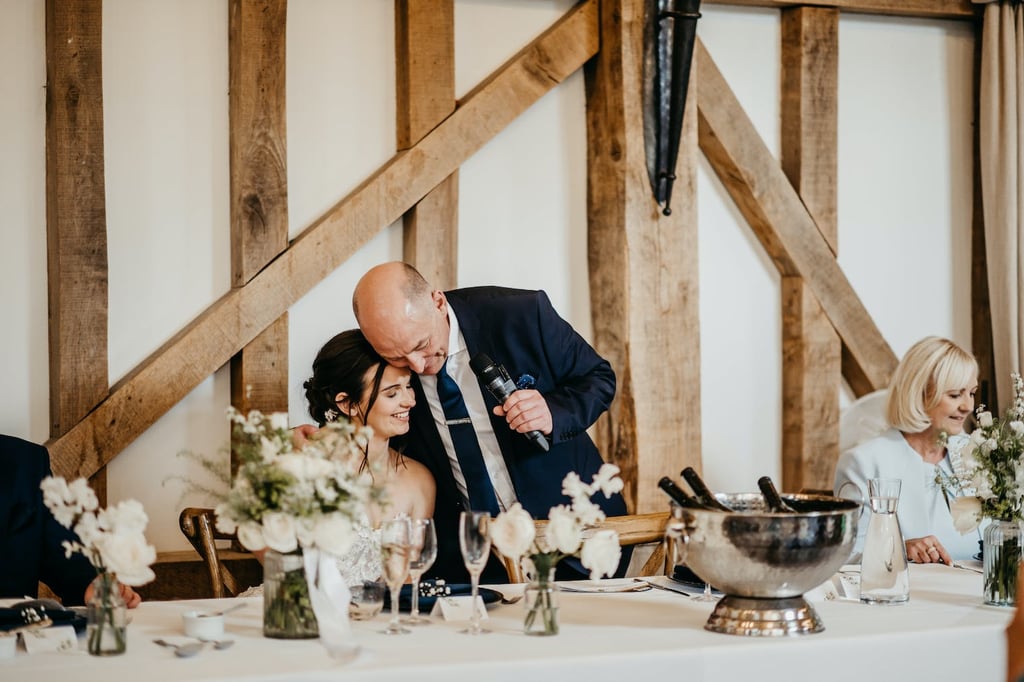
Wedding speeches are one of the most memorable parts of a wedding reception -but knowing the order of wedding speeches can feel daunting. They’re an opportunity for loved ones to share stories, celebrate the couple and thank guests for attending.
But what is the traditional order of wedding speeches – and who speaks first? Whether you’re following tradition or putting your own spin on things, here’s everything you need to know about planning the order of speeches at your reception.
What Is the Order of Speeches at a Wedding?
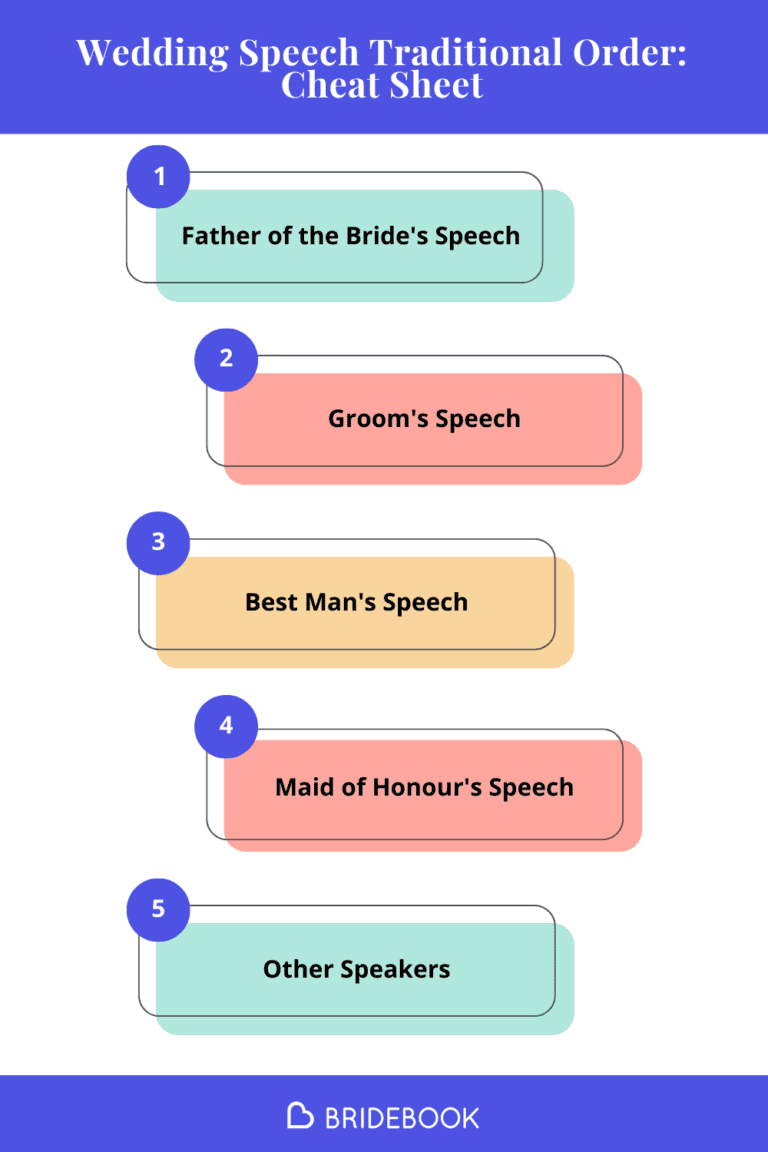
In the UK, the traditional order of wedding speeches is:
- Father of the Bride
- Groom
- Best Man
This is the traditional UK order of speeches at a wedding, with the father of the bride speaking first, the groom second and the best man rounding things off. That said, as gender roles and wedding customs have evolved, the traditional order has adapted to include different voices, with bride and maid of honour speeches now commonplace at modern weddings.
What Each Wedding Speech Usually Includes
1. The Father of the Bride’s Speech
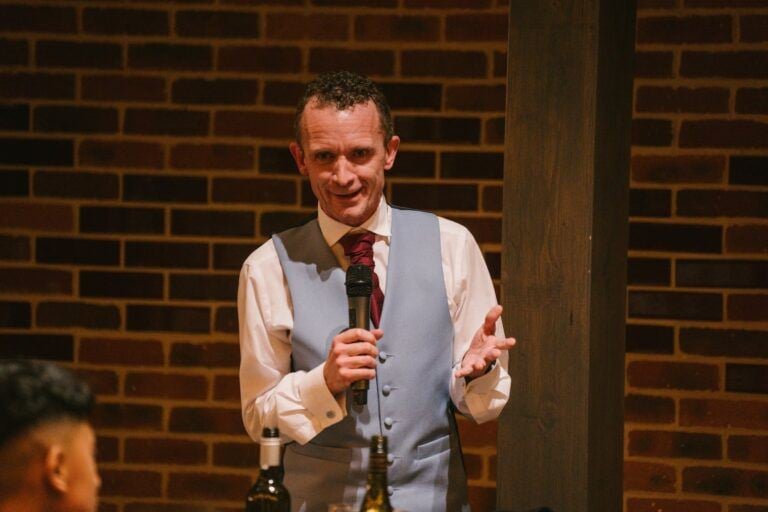
Traditionally, the father of the bride is the first to give a speech. The father of the bride’s speech is typically a touching tribute to his daughter, expressing his pride and joy at seeing her marry. He’ll usually welcome guests, thank everyone for attending and raise a toast to the happy couple.
Check out our top father of the bride speech examples for inspiration and a complete breakdown on how to structure your speech.
2. The Groom’s Speech
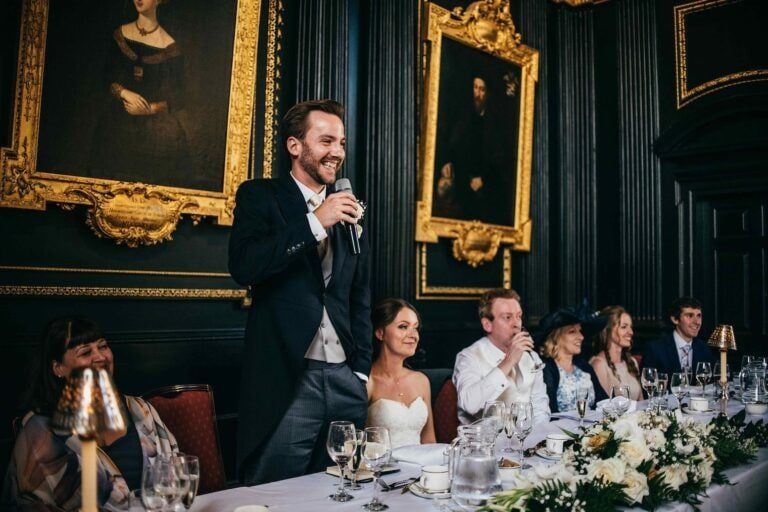
It’s customary for the groom to go next in the speech running order. His time at the microphone gives him a chance to express his love and gratitude to his bride, as well as to thank the wedding party, guests, and parents of both families. The groom may also share a few anecdotes or memories, keeping things light-hearted but sincere.
3. The Best Man’s Speech
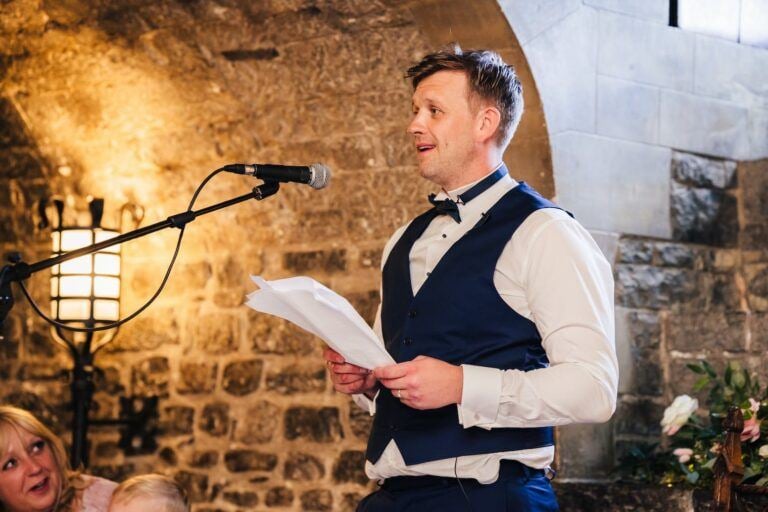
The best man’s speech is one of the most anticipated speeches of the wedding reception. It’s the best man’s chance to share some memories of the groom and offer humorous anecdotes. He’ll usually end with a toast to the bride and groom, bringing the traditional speech order to a close.
Check out our top best man speech examples for inspiration and a complete breakdown on how to structure your speech.
Modern Wedding Speech Orders
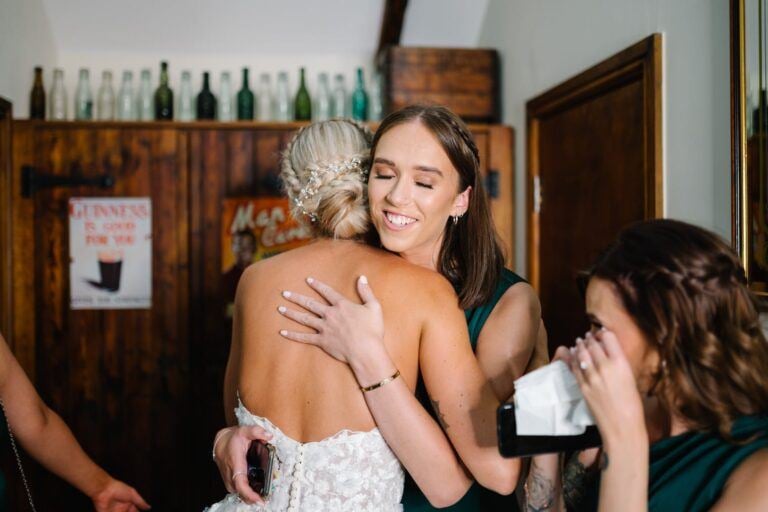
While the traditional order of wedding speeches provides a solid foundation, many couples choose to adapt the format to suit their preferences or to include additional speakers. Modern weddings may feature speeches from the bride, the mother of the bride or groom, the maid of honour, or even close friends and family members.
The key is to find a balance between tradition and personalisation, ensuring that the speeches reflect the unique character of the couple and their loved ones. Some popular alternatives to the traditional order of speeches at a wedding include:
- Joint couple speech (bride and groom)
- Bride’s speech
- Maid of honour speech
- Gender-equal speeches (including bride and mother of the groom speeches)
- Mother and father of the groom speeches
- Sibling or children speeches (of both the bride and groom)
- Bridesmaid and groomsmen speeches
- A MOB speech instead of the traditional father of the bride speech
- Opening up the floor to whoever wants to speak
- An alternative pre-recorded speech featuring multiple speakers
When Do Wedding Speeches Happen?
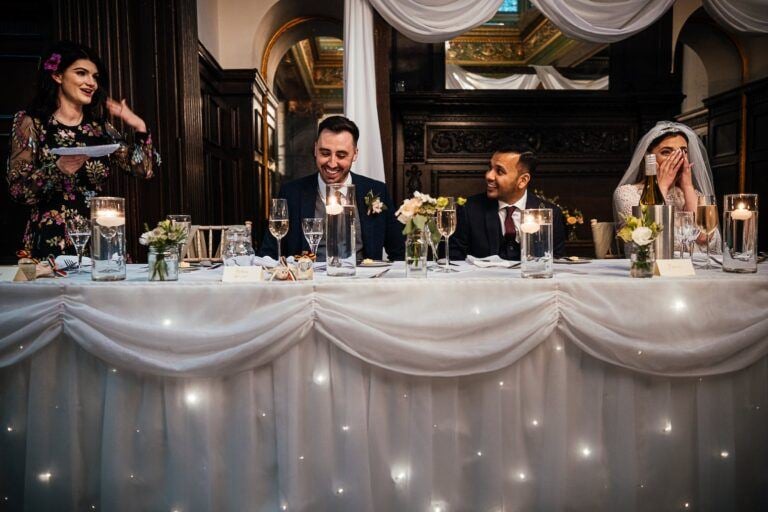
Traditionally, wedding speeches in the UK take place after the wedding breakfast. However, it’s increasingly common for couples to hold speeches before the meal, so that anyone feeling nervous can relax and enjoy their food once they’ve spoken.
Some couples choose to spread speeches across the meal, delivering them between courses – most often after the main course and before dessert. There’s no single right answer: choose the timing that works best for your day and your speakers.
Check out Bridebook’s example wedding day timeline to see where you might like to fit your speeches into the big day.
Tips for Planning Wedding Speeches
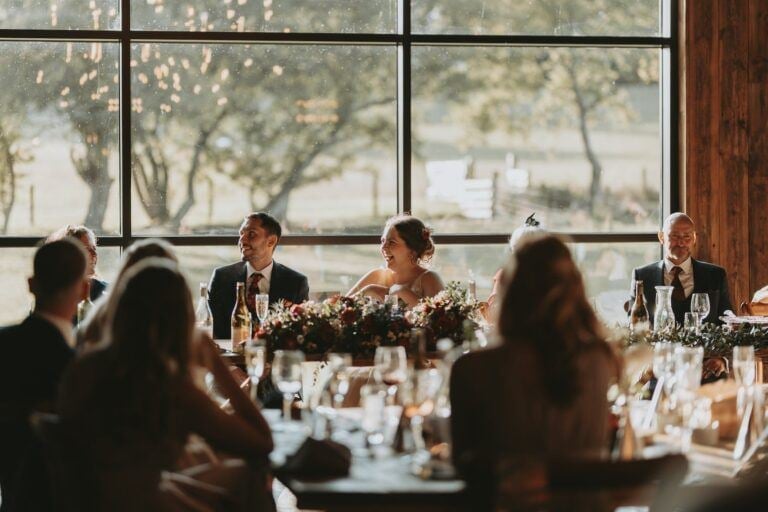
Whether you’re following the traditional order or creating your own, here are a few tips to help your wedding speeches run smoothly:
- Keep speeches concise: Aim for around five minutes per speech. Shorter speeches tend to be better received, and your guests will be more engaged throughout.
- Limit the number of speakers: Too many speeches can make the reception feel long. Stick to the key speakers and consider combining some roles where possible.
- Keep the flow: Ensure there’s a smooth transition between speakers, moving from more formal and sentimental speeches to lighter, more humorous ones.
- Communicate with your speakers: Inform your speakers of the order and provide clear guidance on timing and expectations well in advance.
- Allow enough time between speeches: Build small gaps into your schedule so guests can refill drinks and settle before the next speaker begins.
Who Traditionally Gives Speeches at Weddings?
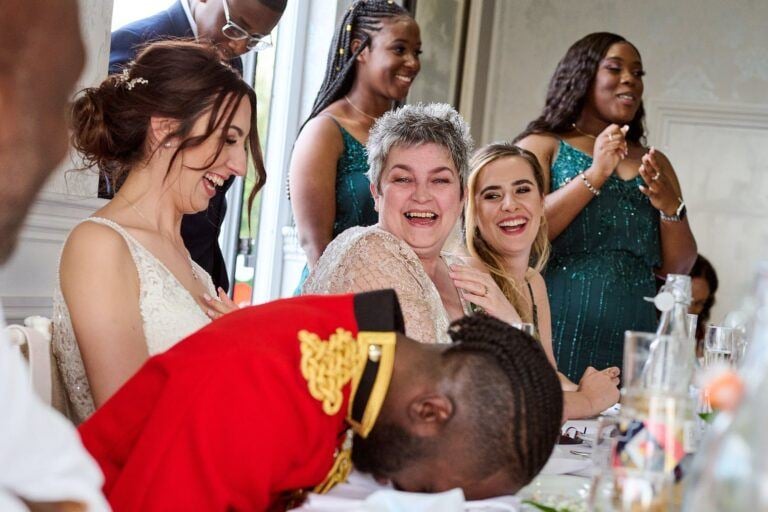
The traditional speakers at a UK wedding are the father of the bride, the groom and the best man. However, at most modern weddings, the bride also takes to the microphone – and it’s increasingly expected rather than the exception.
The bridesmaids or maid of honour often speak too, sharing humorous and heartfelt anecdotes about the bride, in the same way the best man does about the groom. Grooms with large friendship groups often opt for a joint groomsmen speech, with each groomsman contributing an anecdote and sharing the responsibility.
The mother of the bride is another speaker who features more regularly in modern wedding speech orders, giving her a meaningful role in the reception and a chance to share sentimental words about her daughter on the day.
Order of Speeches at Wedding: FAQ
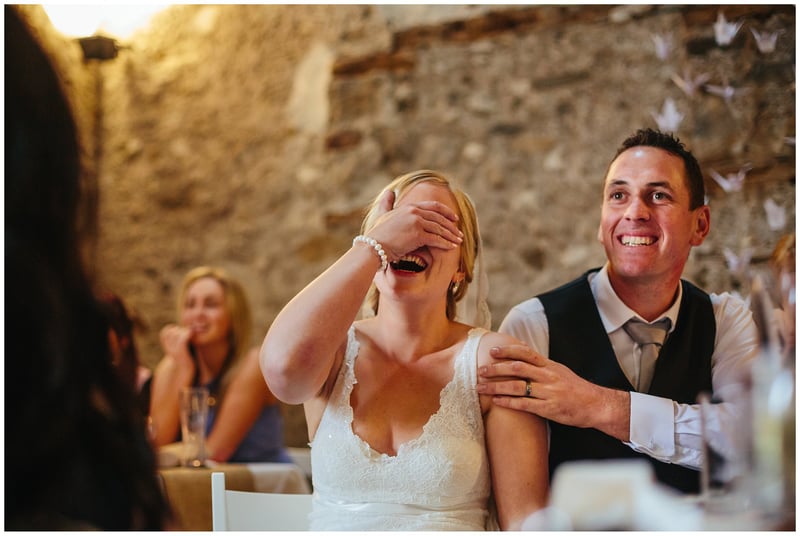
Who speaks first at a wedding?
When it comes to wedding speeches, it’s often the father of the bride who speaks first.
The father of the bride traditionally kicks off the toasts by welcoming all the guests, thanking those involved in the organisation of the wedding, talking about how proud he is of his daughter while sharing a few stories about her, and welcoming her partner into the family.
What order are wedding speeches given in?
Traditionally, the wedding speech order is as follows: the father of the bride, the groom, and the best man. However, bride speeches and maid of honour speeches are also becoming more commonplace. These generally follow the best man but the order needn’t be set in stone.
Is it still traditional for the father of the bride to speak first?
It’s still traditional for the father of the bride to speak first, however, modern couples are frequently adapting the wedding speech order to suit them and their individual family dynamics.
Ready to plan your wedding reception?
Plan your wedding timeline and speeches with Bridebook – sign up today to access our full suite of planning tools.

Why Trust Bridebook
Bridebook is the world’s #1 wedding planning platform, used by over 2.8 million couples. Our content is informed by real data from the Bridebook UK Wedding Report, which draws on responses from thousands of couples planning their weddings each year. Where expert input is included, contributors are named and their credentials verified. We update our articles regularly to ensure prices, statistics, and advice reflect current market conditions.
You Might Also Like…
- Father of the Bride Speech: Examples, Tips & How to Write One
- Best Man Speech: Examples, Tips & How to Write One That Works
- Wedding Speech Examples: 25 Ideas for Every Role
Related articles