

Description
Experience
Overview of Hastings Museum & Art Gallery
Wedding Ceremony & Reception
Wedding Venue Details
Wedding Catering
Pricing for Hastings Museum & Art Gallery
Get your instant brochure!
What makes Hastings Museum & Art Gallery a unique wedding venue?
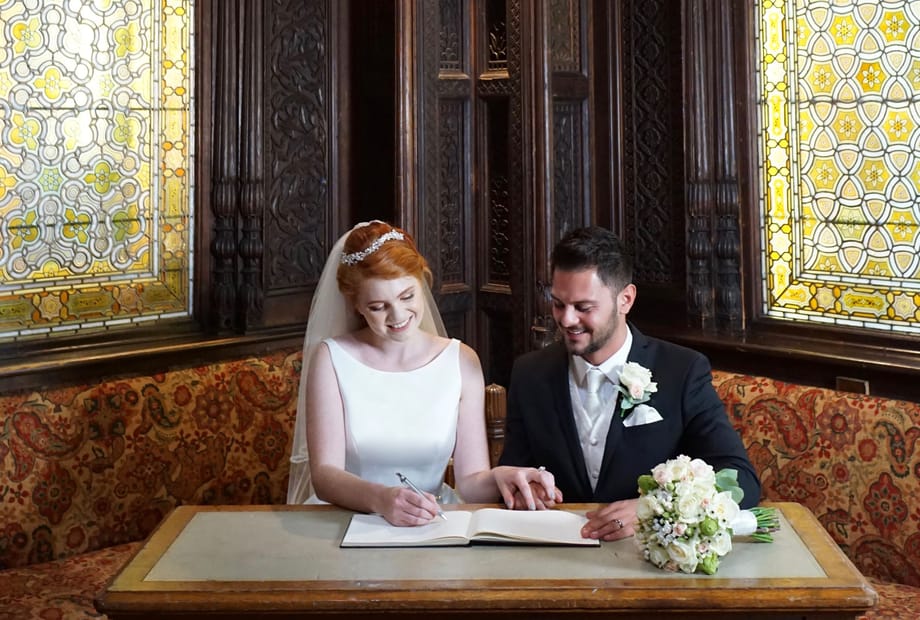
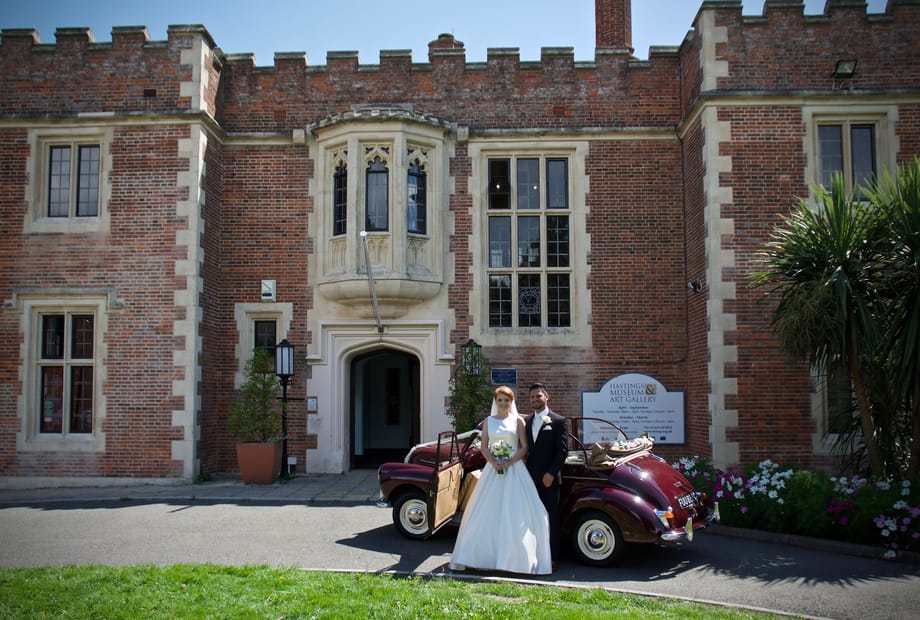
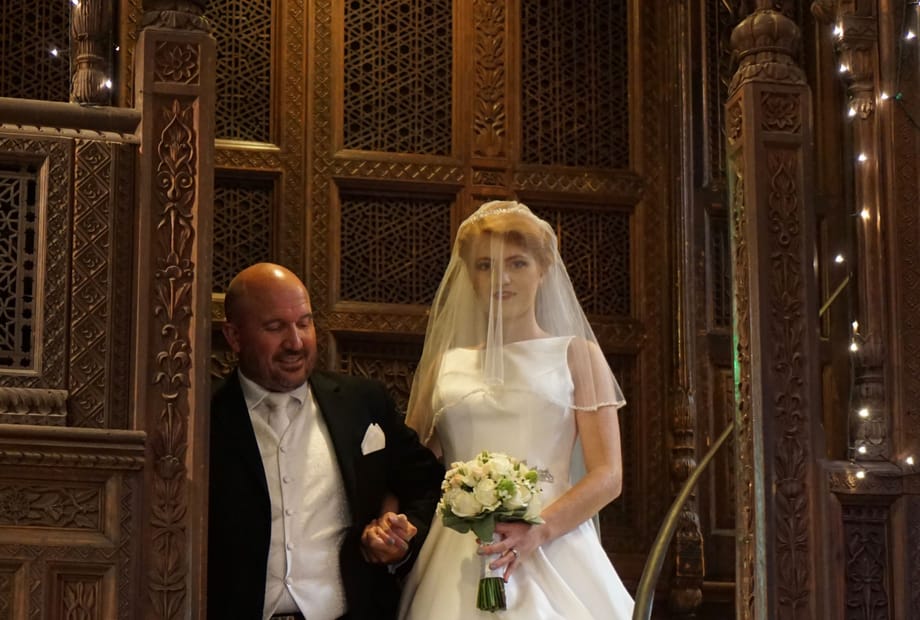
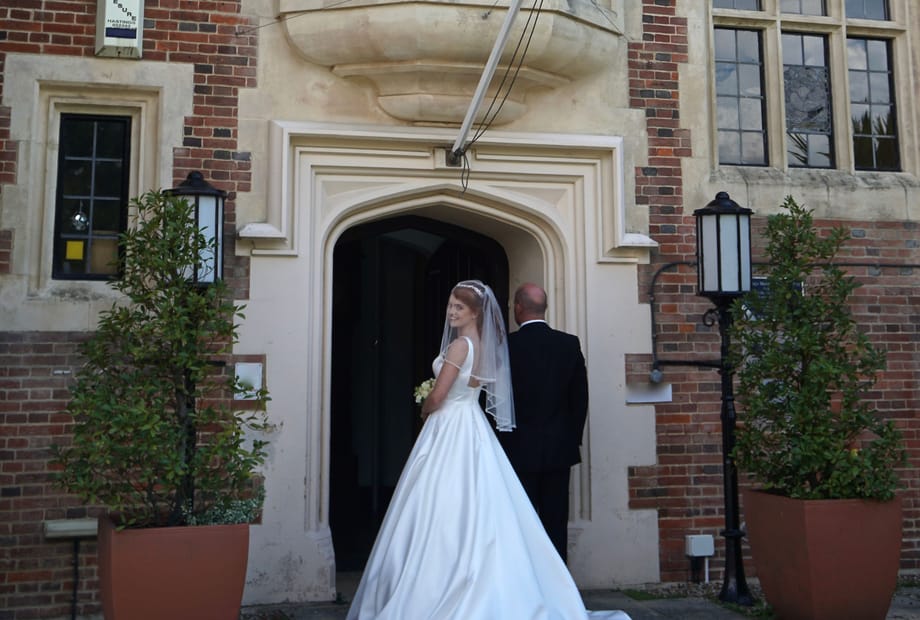
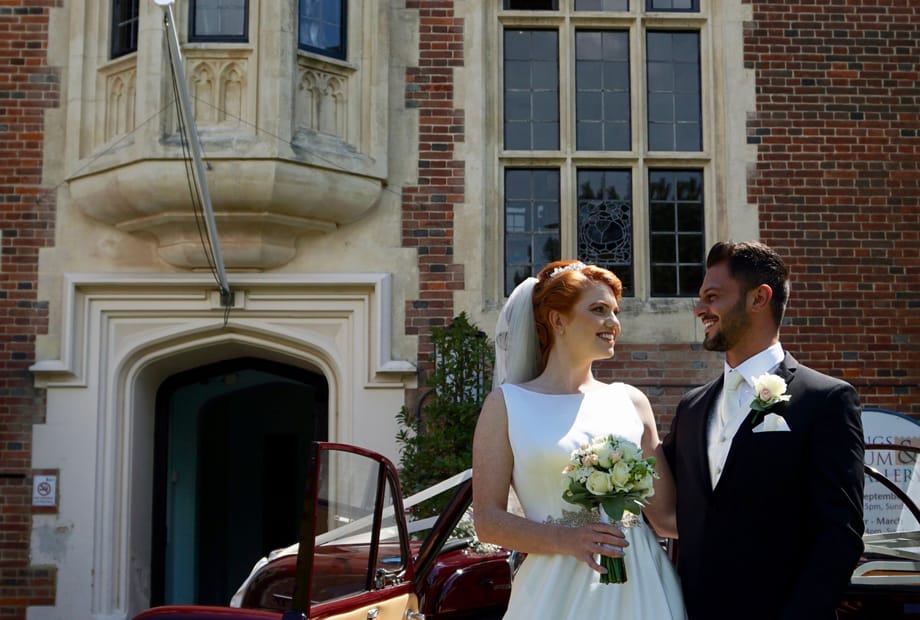
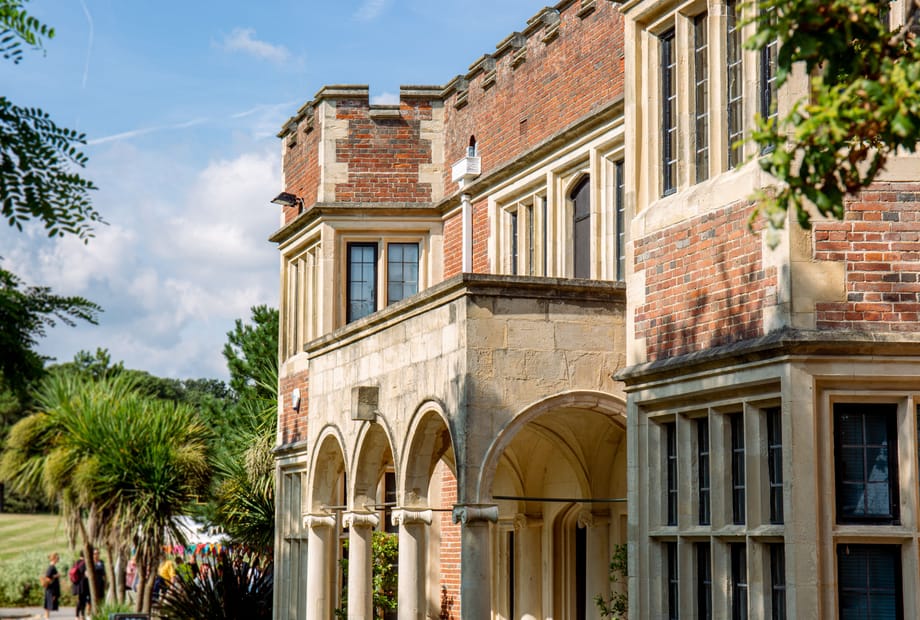
Hastings Museum & Art Gallery features the stunning Durbar Hall, a unique and historic setting originally built in 1886 for the Indian & Colonial Exhibition. Its intricately carved wood panels and stained-glass windows create an intimate and unforgettable atmosphere for ceremonies.
Where exactly is Hastings Museum & Art Gallery located?
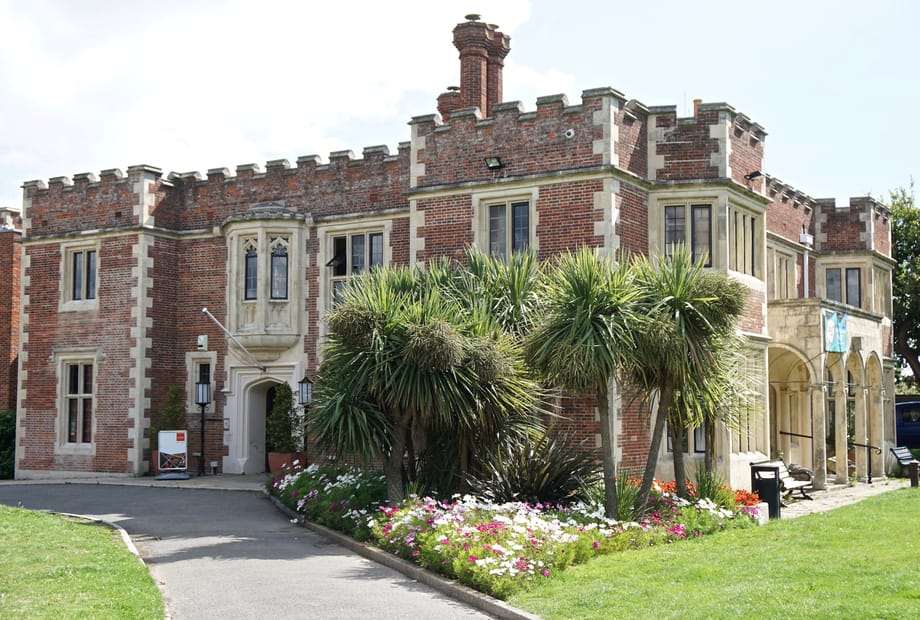
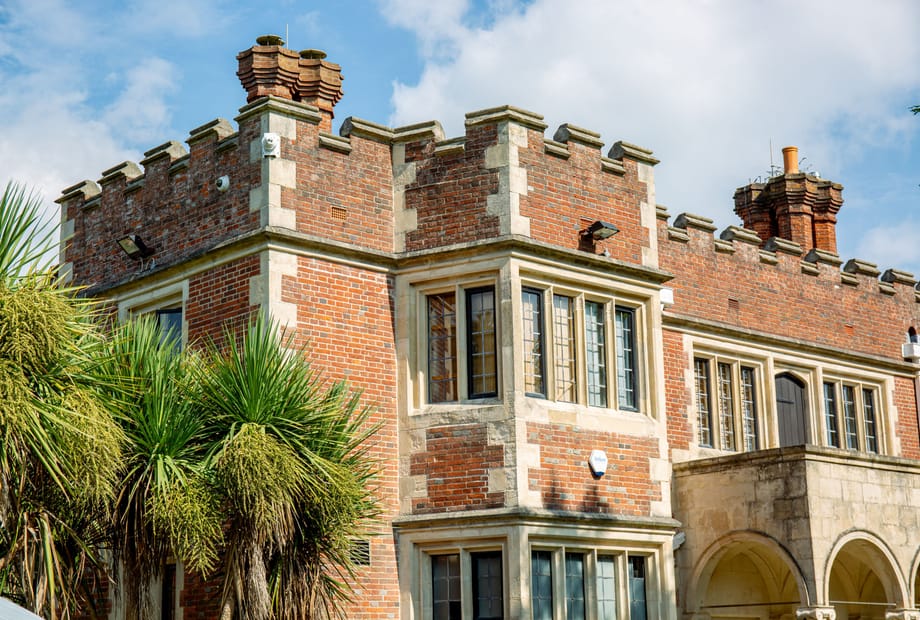
The venue is located at TN34 1ET, Hastings, East Sussex, England, GB, conveniently situated for local and destination weddings.
Can you describe the Durbar Hall used for ceremonies at the museum?
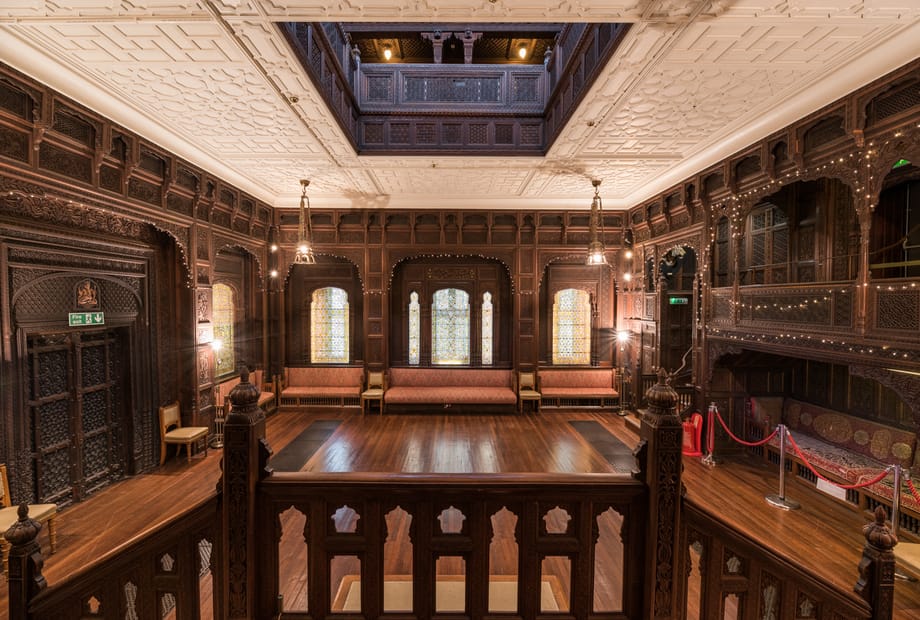
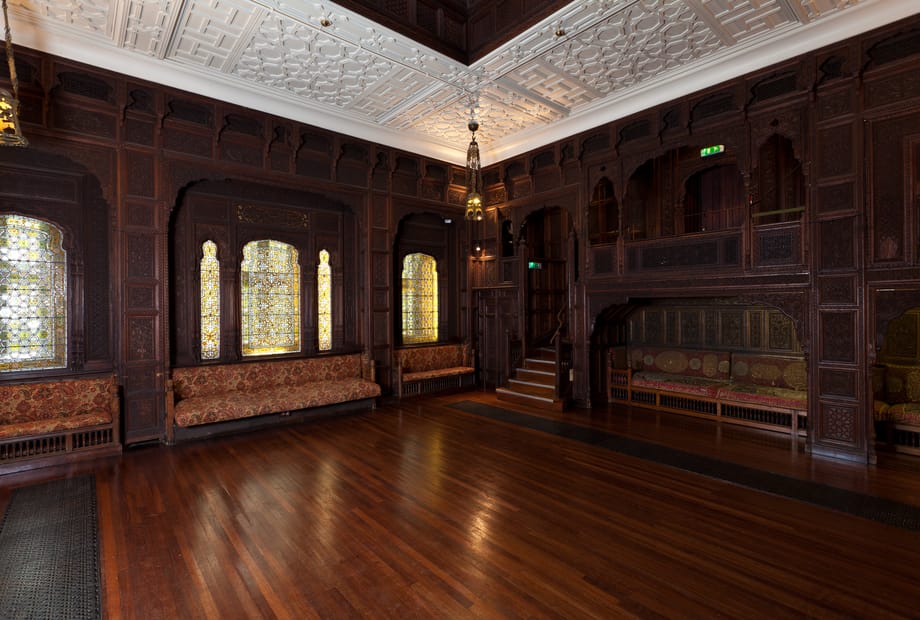
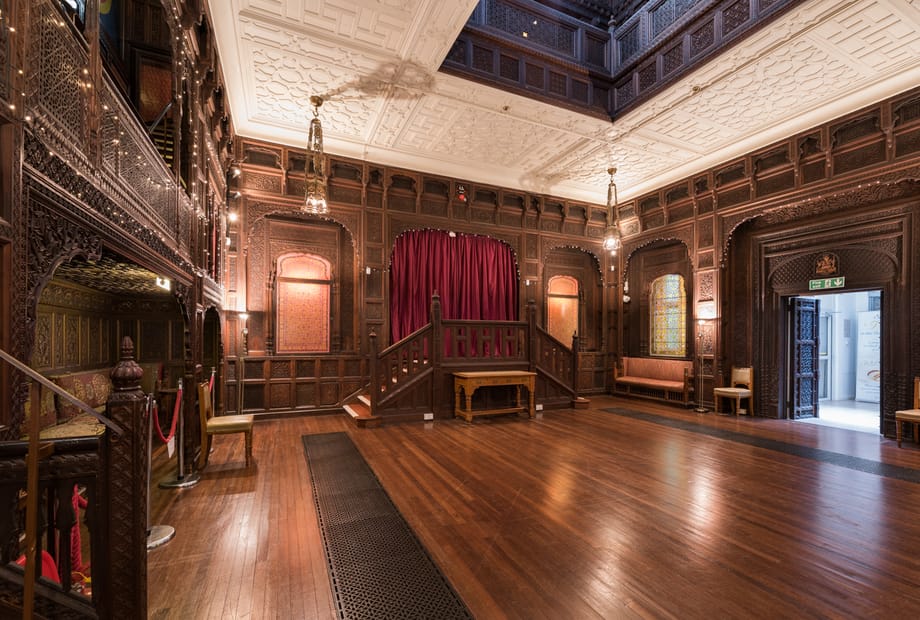
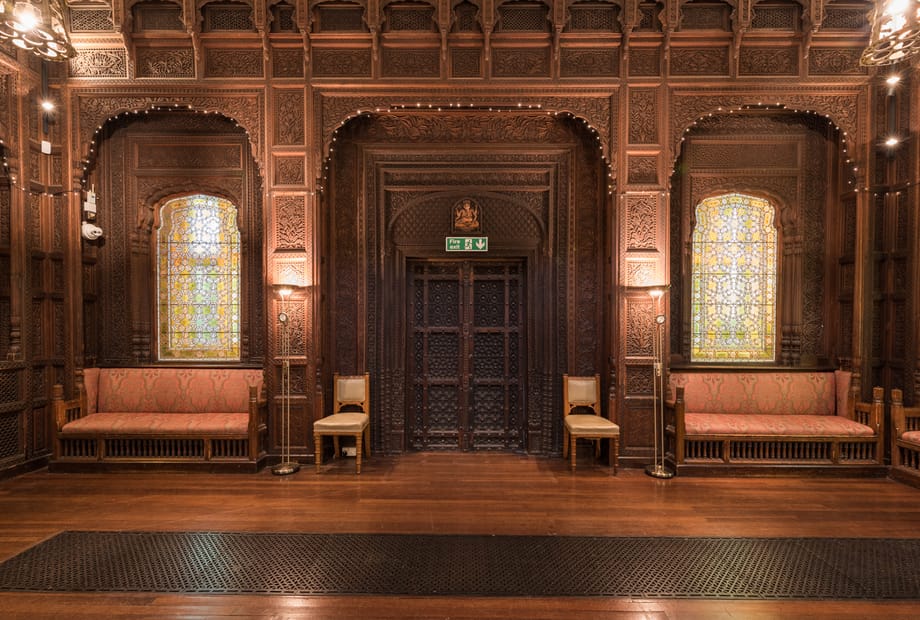
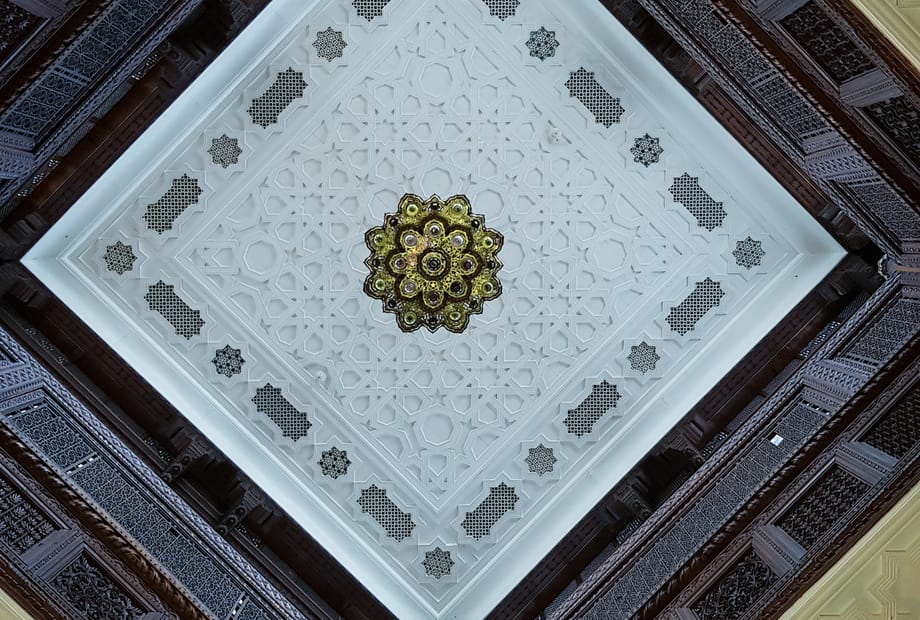
The Durbar Hall is a two-floor space with a lantern roof. It features a dramatic stairway and arched balcony, teak and deodar cedar carved wall panels, and stained-glass windows, providing a beautiful historic backdrop for your wedding.
What is the historical significance of the Durbar Hall?
The Durbar Hall was originally built for the 1886 Indian & Colonial Exhibition and was used for receptions by the Prince of Wales, later King Edward VII. It was crafted by master woodcarvers Mohammed Bakhsh and Mohammed Juma under architect Sir Caspar Purdon Clarke.
Is the Durbar Hall suitable for both ceremonies and receptions?
Yes, the Durbar Hall's intimate and flexible space is well-suited for wedding ceremonies and can accommodate various styles of receptions as well.
How long did it take to carve the intricate wood paneling in the Durbar Hall?
Master woodcarvers completed the stunningly intricate carvings on the teak and deodar cedar wall panels in just 9 months.
What architectural features add to the ambiance of wedding ceremonies at the venue?
The lantern roof provides natural light, while the dramatic stairway and arched balcony offer a grand entrance. The hand-carved wooden panels and glowing stained-glass windows enhance the historical and elegant atmosphere.
Has the Durbar Hall always been located at Hastings Museum & Art Gallery?
No, after the 1886 Exhibition, it was moved to Lord Brassey's London home and then donated to Hastings Museum in 1919. It was installed at its current location in 1932.
What makes the Durbar Hall a flexible space for wedding occasions?
The two-floor layout with upper balcony allows versatile ceremony setups. Its intimate size combined with grand design lets couples personalize their wedding style easily.
Are there any notable historical figures associated with the Durbar Hall?
Yes, the Prince of Wales, who later became King Edward VII, held receptions in the Durbar Hall during the 1886 Indian & Colonial Exhibition, adding to the venue's rich heritage.
}]}}}```htmlHastings Museum & Art Gallery features the stunning Durbar Hall, a unique and historic setting originally built in 1886 for the Indian & Colonial Exhibition. Its intricately carved wood panels and stained-glass windows create an intimate and unforgettable atmosphere for ceremonies.
```htmlThe venue is located at TN34 1ET, Hastings, East Sussex, England, GB, conveniently situated for local and destination weddings.
```htmlThe Durbar Hall is a two-floor space with a lantern roof. It features a dramatic stairway and arched balcony, teak and deodar cedar carved wall panels, and stained-glass windows, providing a beautiful historic backdrop for your wedding.
```htmlThe Durbar Hall was originally built for the 1886 Indian & Colonial Exhibition and was used for receptions by the Prince of Wales, later King Edward VII. It was crafted by master woodcarvers Mohammed Bakhsh and Mohammed Juma under architect Sir Caspar Purdon Clarke.
```htmlYes, the Durbar Hall's intimate and flexible space is well-suited for wedding ceremonies and can accommodate various styles of receptions as well.
```htmlMaster woodcarvers completed the stunningly intricate carvings on the teak and deodar cedar wall panels in just 9 months.
```htmlThe lantern roof provides natural light, while the dramatic stairway and arched balcony offer a grand entrance. The hand-carved wooden panels and glowing stained-glass windows enhance the historical and elegant atmosphere.
```htmlNo, after the 1886 Exhibition, it was moved to Lord Brassey's London home and then donated to Hastings Museum in 1919. It was installed at its current location in 1932.
```htmlThe two-floor layout with upper balcony allows versatile ceremony setups. Its intimate size combined with grand design lets couples personalize their wedding style easily.
```htmlYes, the Prince of Wales, who later became King Edward VII, held receptions in the Durbar Hall during the 1886 Indian & Colonial Exhibition, adding to the venue's rich heritage.
```htmlHastings Museum & Art Gallery features the stunning Durbar Hall, a unique and historic setting originally built in 1886 for the Indian & Colonial Exhibition. Its intricately carved wood panels and stained-glass windows create an intimate and unforgettable atmosphere for ceremonies.
```htmlThe venue is located at TN34 1ET, Hastings, East Sussex, England, GB, conveniently situated for local and destination weddings.
```htmlThe Durbar Hall is a two-floor space with a lantern roof. It features a dramatic stairway and arched balcony, teak and deodar cedar carved wall panels, and stained-glass windows, providing a beautiful historic backdrop for your wedding.
```htmlThe Durbar Hall was originally built for the 1886 Indian & Colonial Exhibition and was used for receptions by the Prince of Wales, later King Edward VII. It was crafted by master woodcarvers Mohammed Bakhsh and Mohammed Juma under architect Sir Caspar Purdon Clarke.
```htmlYes, the Durbar Hall's intimate and flexible space is well-suited for wedding ceremonies and can accommodate various styles of receptions as well.
```htmlMaster woodcarvers completed the stunningly intricate carvings on the teak and deodar cedar wall panels in just 9 months.
```htmlThe lantern roof provides natural light, while the dramatic stairway and arched balcony offer a grand entrance. The hand-carved wooden panels and glowing stained-glass windows enhance the historical and elegant atmosphere.
```htmlNo, after the 1886 Exhibition, it was moved to Lord Brassey's London home and then donated to Hastings Museum in 1919. It was installed at its current location in 1932.
```htmlThe two-floor layout with upper balcony allows versatile ceremony setups. Its intimate size combined with grand design lets couples personalize their wedding style easily.
```htmlYes, the Prince of Wales, who later became King Edward VII, held receptions in the Durbar Hall during the 1886 Indian & Colonial Exhibition, adding to the venue's rich heritage.