Wedding Flowers: Beautiful Ideas and Inspiration for Your Big Day
When you think of a wedding day, you instantly think of wedding flowers. And, a bit like with the cake, this is an area in wedding planning where most couples will splash out for the first (and likely last) time in their lives. A luxury that feels like a necessity for one day only.
Why are flowers so essential on your big day? Not only do they signify romance, they also help to shape the atmosphere and aesthetic of your wedding. From the bridal bouquet, to the altar arrangements and table centrepieces, florals instantly shape and complement the tone, style and personality of your big day. It’s one of the first things that guests will notice when they walk into your ceremony or reception, and the chosen colours will be instantly recognisable in photos you will cherish forever.
Because this choice is so significant, and you want to feel proud of your floral arrangements when you look back on this big moment, a lot of nearlyweds feel the pressure when it comes to choosing wedding flowers. Luckily, Bridebook is on hand to help with a guide to choosing your wedding flowers – keep scrolling to see popular flower ideas for inspiration, seasonality considerations, arrangement suggestions and of course, a directory of the best UK wedding florists.
Popular Wedding Flower Ideas
If you’re looking for wedding flower ideas, you’ve come to the right place. We’ve started our guide with general inspo for colour palettes and mood, because it’s an ideal starting point before you get into the specifics of bridal bouquets and table centrepieces.
The list of ideas are endless, but we’ve whittled down some popular ideas from UK weddings to get you started – from 2026 trends to the timeless schemes that will stay forever relevant.
- Whimsical and low-maintenance wildflower bouquets
- Classic roses – you can never go wrong with a classic rose theme, in colours such as pink, red, peach, yellow and white
- Peonies – if you’re looking for something timeless and feminine, the peony is pretty in both bud and bloom and has an inherent neatness to its silhouette
- Full peach-hued bunches – popular in the 1980s and reminiscent of the lavish flower displays at The Ritz in London, this trend is back this year
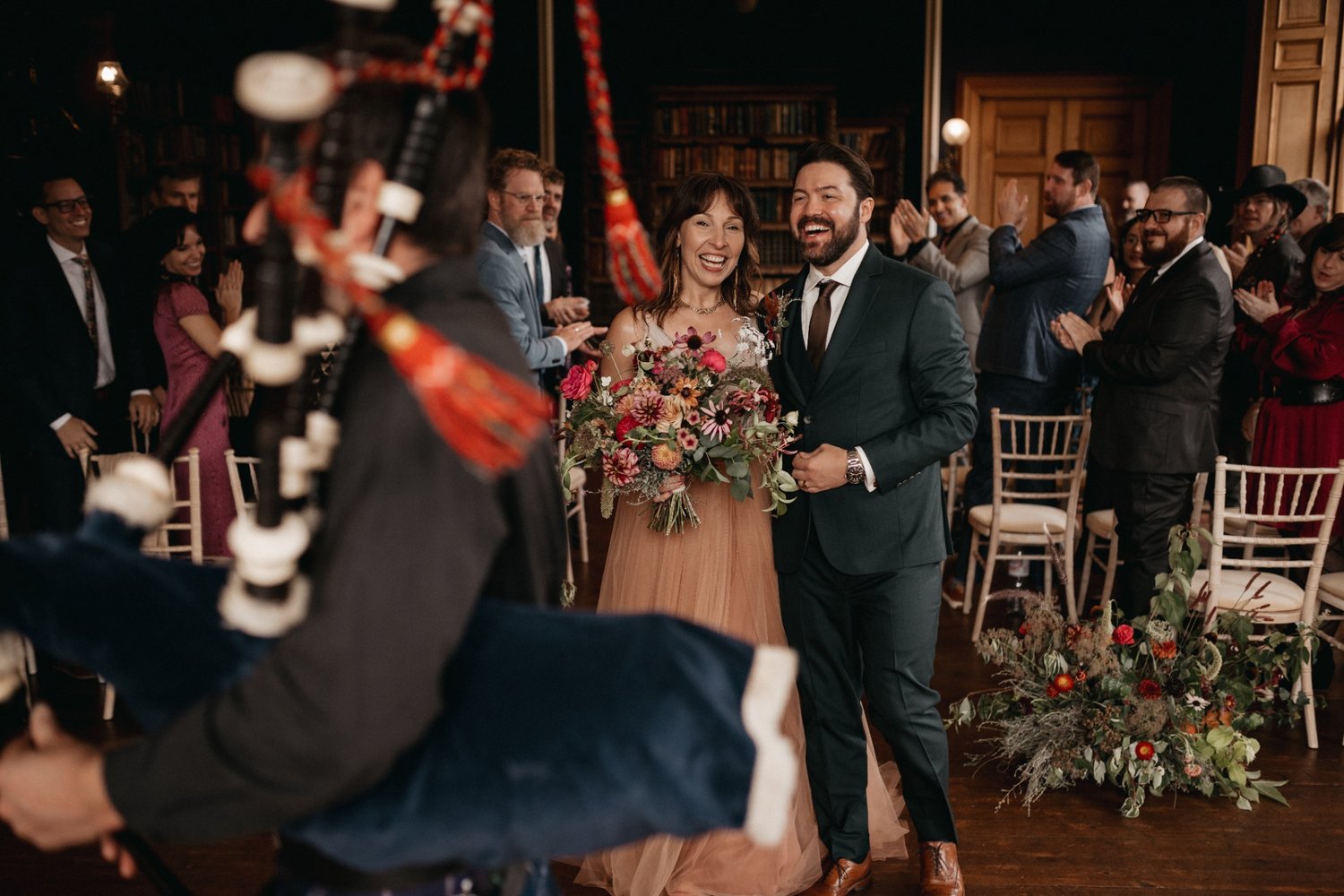
- Colour drenched – a big trend for 2026, this floral arrangement sees tonal palettes of either scarlet-red or burgundy paired with differing textures, from roses and anthurium to trailing amaranthus, to create an impact
- Greenery-focused designs – whether that be plenty of foliage surrounding a rose or sourcing specific ‘filler’ plants, such as eucalyptus, Italian ruscus, and myrtle, to take centre stage
- All white arrangements – such as lilies, roses, orchids or hydrangeas.
- The calla lily – another key 2026 bridal trend
- Christmas florals – think poinsettia, red roses, white anemones, snowdrops, frosted eucalyptus, pinecones, holly, red berries and plenty of ivy
- Springtime English garden florals – by choosing what is in season, you can create a romantic and classic British bouquet of lilacs, bluebells, daffodils, sweet peas, anemones, forget-me-nots and tulips
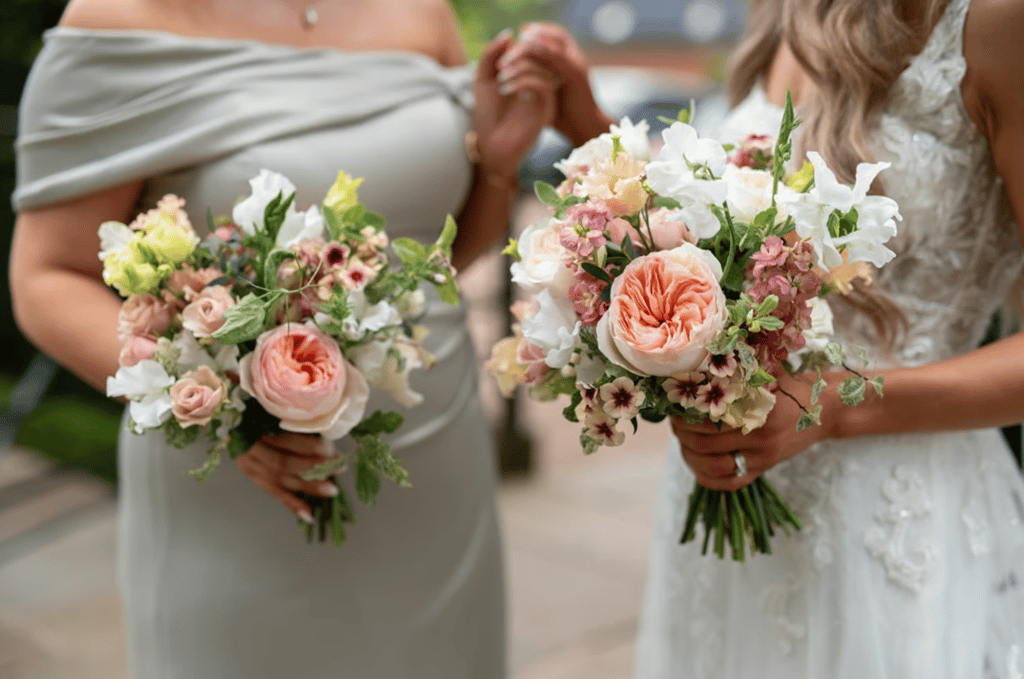
- Feminine pink palettes – mixed pinks tempered with delicate sage-coloured foliage or white filler flowers
- Hydrangeas – whether it be blue, purple, white or all of those, letting this distinctive flower dominate is sure to create a romantic effect
Bridal Bouquet Inspiration
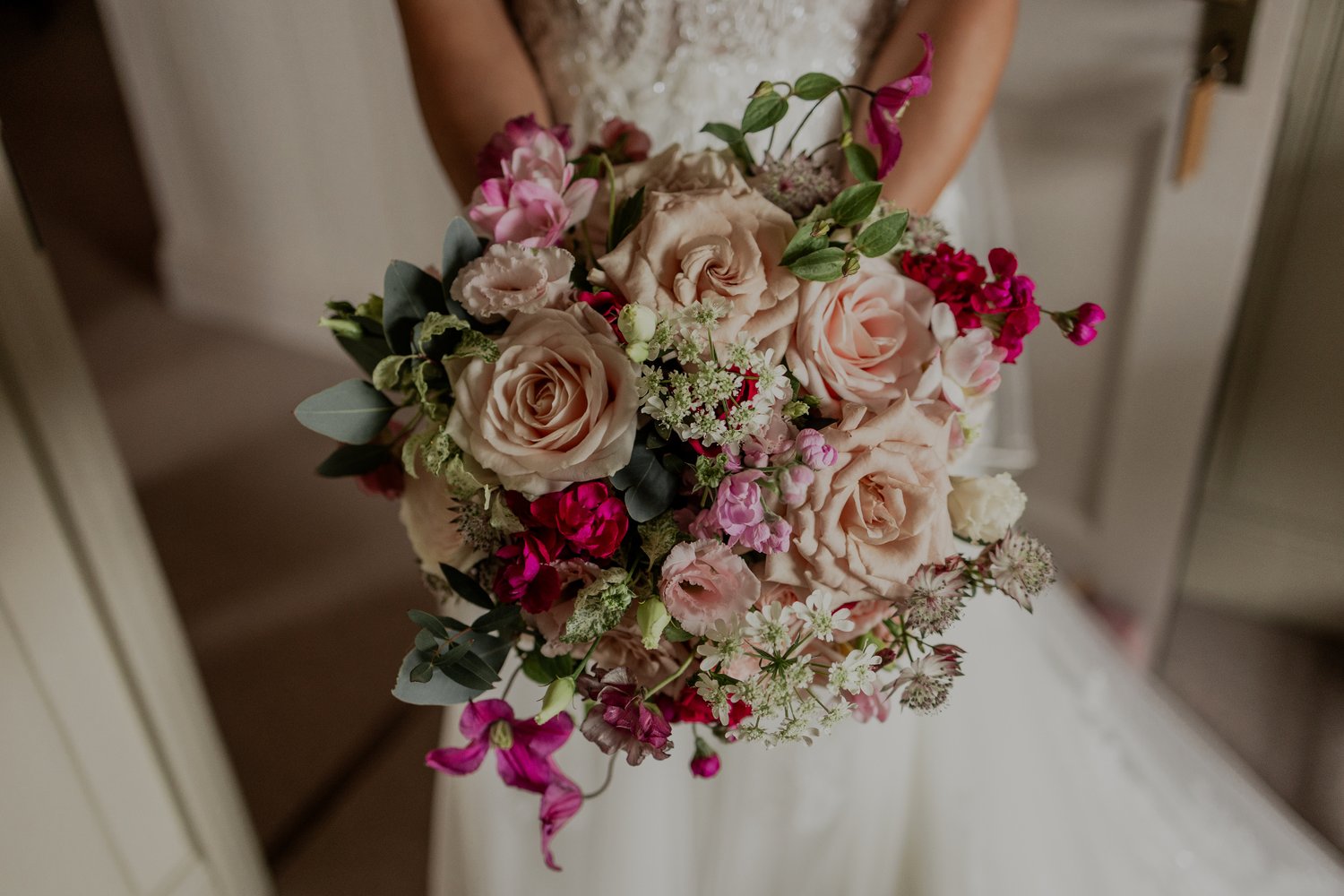
Once you’ve defined what your overall floral theme is, it’s time to decide on your wedding bouquet flowers. These can either tie in with your wedding flowers or stand out as a different arrangement. Just remember to assess your wedding flower bouquet in relation to your dress, making sure your florals complement rather than compete with key details. Here are some examples of popular arrangements to pull inspiration:
- Peony bouquets are a classic option that will never date
- Calla lilies are clean and minimalist, especially in white, but purple shades are also big for 2026
- Wildflower bouquet filled with sweet peas, anemone and bluebells
- Rose posy bouquets are romantic and timeless
- A more modern long-stem rose bouquet – by opting for a striking Naomi or Nina rose, you can have singular repeat stems for maximum impact
- Mixed rose bouquets – where the roses take centre stage but there are smaller flowers nestled to create texture and interest
- Dried flower bouquets – this lower-maintenance option is becoming very popular, especially those who prefer a whimsical garden party wedding or vintage prairie-inspired dresses. The benefit of dried flowers is that they are slightly more affordable, and you don’t need to worry about them dying or dropping on the day, plus you can keep them as a memento forever.
- Cascading bouquets are such a stunning addition to a wedding
- Orchids are a minimalist option, with some florists offering a cascading option in their bouquet range
If you’re still stumped for ideas, or you’re indecisive by nature, let your florist present you with ideas to choose from – this takes a lot of the pressure off. Browse the best UK wedding florists here.
Wedding Flower Arrangements
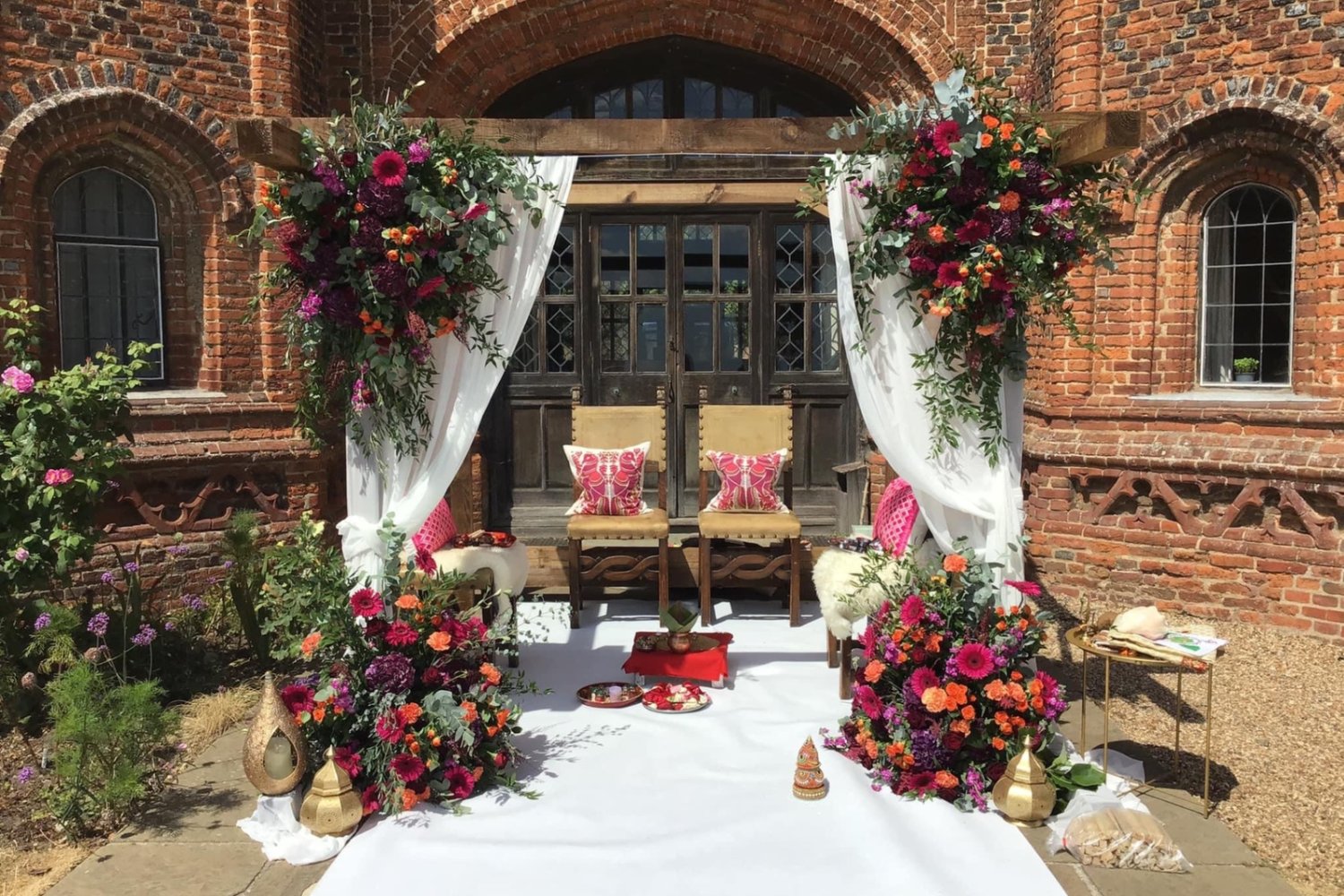
The next thing you need to think about is how many wedding flower arrangements you want – and this is where budget comes into play considerably. Fresh flowers cost a lot, so you might choose to mix up your fresh and faux arrangements to cut costs. Or, should you be getting married in a registry office rather than in a church, you might choose to skip the ceremony arrangements altogether to spend your budget on reception flowers. Here’s a list of flower arrangements to consider:
Flowers for the wedding party
- Bridal bouquet
- Bridesmaids bouquets
- Flower girl bouquets
- Flower crowns
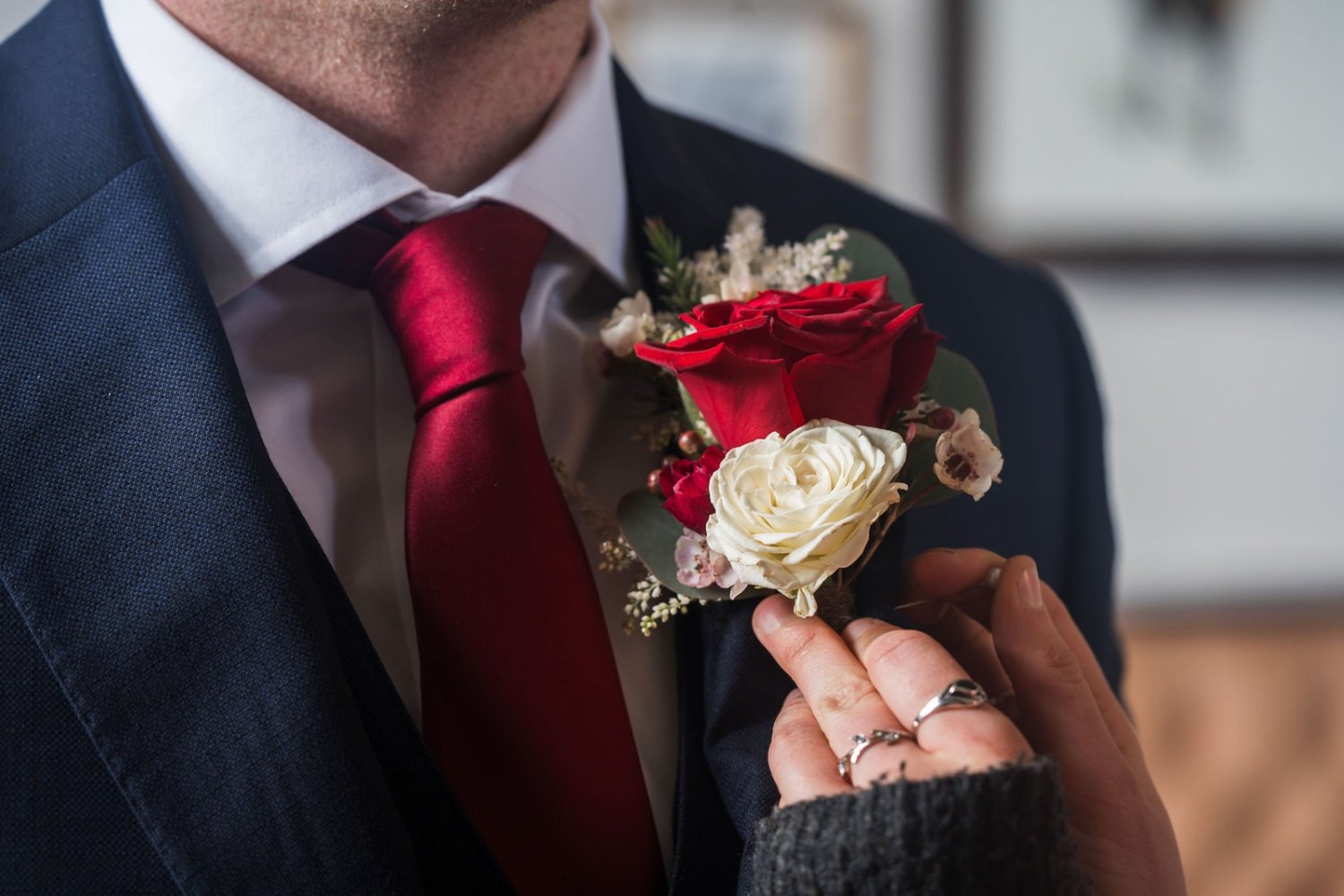
- Buttonholes for groom and groomsmen
Flowers for the ceremony
- Ceremony flowers at the entrance to a church
- Flower arrangements for the welcome sign
- Flowers at the pews or decorating the aisle
- Floral arches at the altar
- Floral altar arrangements
Flowers for the reception
- Floral table centrepieces
- A flower backdrop for pictures
- Flower arrangements for long tables
- Top table flowers
- Flower arches
- Flowers around the welcome sign
- Flowers for the table plan sign
- A flower display on plinths
- Flowers around the cake table
Wedding Table Flowers and Centrepieces
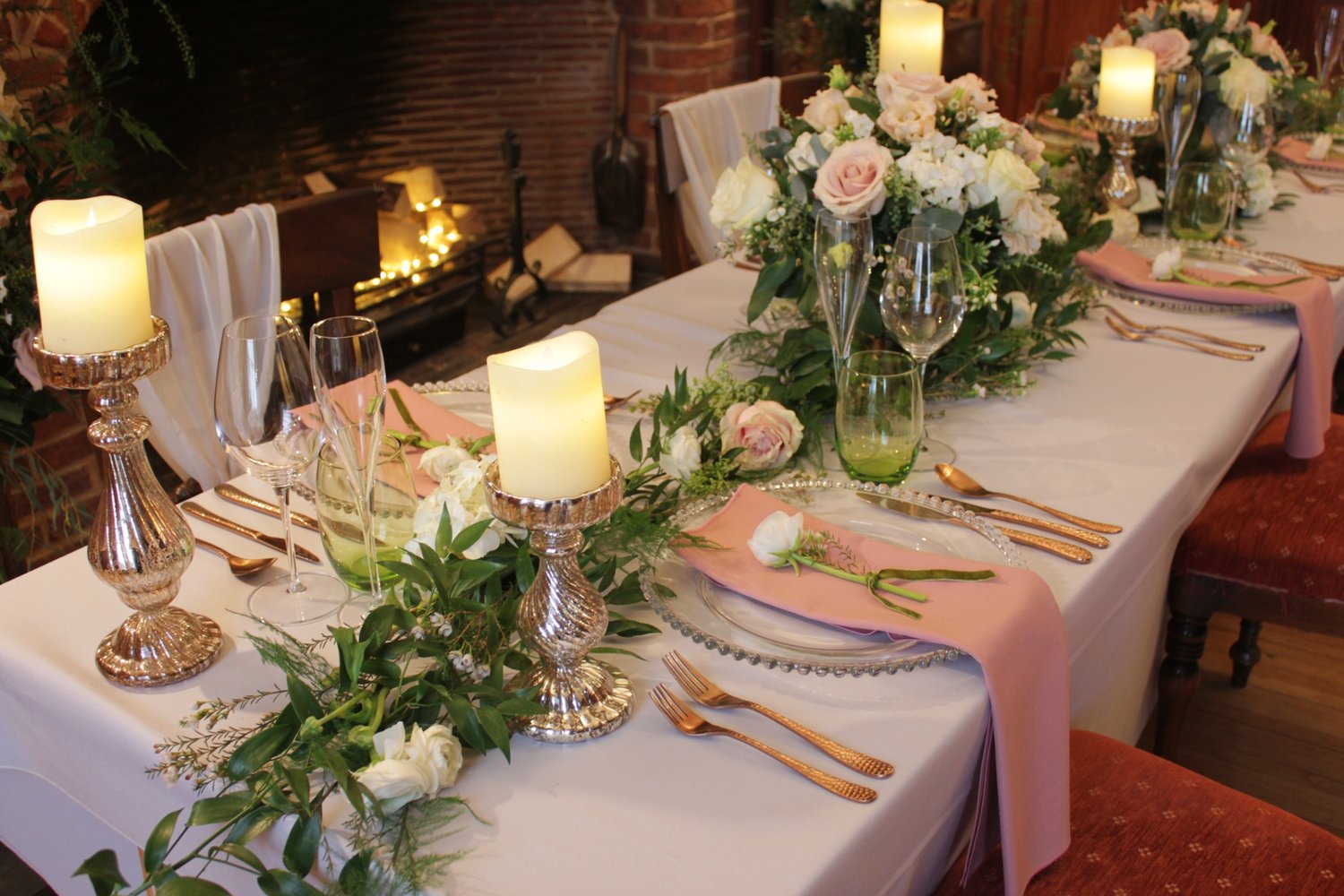
Wedding table flowers really add the ‘wow’ factor to your wedding reception. They cement the overall aesthetic and will be a defining component of your wedding photos. But while going big is undeniably better in a sense, don’t let the over-inflated weddings of Instagram skew your sense of reality: your wedding flowers centrepieces can still look beautiful on a smaller budget. There are so many options to choose from.
Wedding flowers for circular tables
The most traditional wedding breakfasts in the UK will feature circular tables, and these are perfect for floral centrepieces. The options are endless, ranging from lush, fresh arrangements on the more expensive side to affordable stem glasses and faux options.
- Low floral centrepieces are popular for a reason
- High floral centrepieces sitting atop structure, plinths, fabric-draped risers
- Centrepieces with differing heights achieved with a choice of long, short and medium stems arranged in foam – this is a very popular choice for contemporary couples looking for something less traditional or stuffy
- Centrepieces in pots or vases – neo-classical ceramic pots, painted pottery inspired by the Amalfi coast, or 2026’s favourite: stainless steel vases
- Flowers arranged around the base, or intertwined with the candlesticks, of a candelabra
Wedding flowers for long tables
The more modern tradition for long banquet tables means that flower choices can be a little trickier, but it also means they don’t have to feature as heavily, and you can use this option to shave a little off the total bill.
- Stem glasses – this is where single flowers are placed into water glasses or small vases to create impact without needing multiple arrangements
- Dried flowers
- Scatters of long flower stems laid individually
- Small floral arrangements
- Flower arrangements filled out with fruit
- Faux flowers
- Greenery like moss dotted with small flowers
- Wild flowers sparsely arranged in jam jars
- Eucalyptus or elegant foliage layered and scattered in the centre
- Fabric runners that can add a pop of colour and allow for slightly fewer flowers.
- Long candles or Storm candle jars to punctuate the table and allow for sparser arrangements
Wedding flowers for top tables
The top table is the one that will be most photographed, so it should be the one you focus on most decor-wise. In fact, some couples choose to only have flowers on their top table to save money. Or, you can go for exaggerated arrangements on the top table and simpler takes on this design for your guest tables.
Our top tip? Repurpose your bridesmaid’s bouquets to fill out your top table. All you need are matching vases that can hold a full bunch, and you can create a fuller, more impactful floral table arrangement.
You don’t want a high flower arrangement on the top table because this will distract from you in the photos. The top table is usually one side and forward-facing, whether it seats just the couple or the full wedding party, so that the couple can see their guests and be photographed easily. Here are some arrangements – they can be fresh or faux flowers – that will suit both of these sized top tables:
- Flower-topped pillars on either side of the table
- Plinths behind the table, topped with flowers, which provide a nice backdrop for pictures and are ideal for smaller tables
- Arrangements that cascade from the table to the floor on each side
- Arrangements that create the illusion of the flowers growing from the ground, but are in fact one bunch below and one above
- Arrangements that line the bottom of the table – you can either then match this with the florals on the top of the table, or simply place rows of candles above
- Sparser minimalist arrangements, such as single stems scattered or in bud vases
- A floral table runner interspersed with candles and foliage
Seasonal Wedding Flowers
If you’re going for fresh flowers, seasonality is important due to availability. Seasonal flowers will be gentler on your budget, and they are guaranteed to last longer and look fresher than imported blooms. But even if you’re plumping for faux, you’ll want the theme to fit the season – a Christmas wedding won’t look so Christmassy with pastels and spring foliage.
- Spring wedding flowers include daffodils, snowdrops, tulips, hyacinths, forsythia, magnolia, primroses, peonies, bluebells, forget-me-nots, anemones, lily of the valley, lilac, wisteria, irises and rhododendrons
- Summer wedding flowers include peonies, English garden roses, lavender, delphiniums, foxgloves, poppies, lavender, hydrangeas, sweet peas, carnations, dahlias and sunflowers
- Autumn wedding flowers include dahlias, cosmos, Japanese anemones, sunflowers, late roses, chrysanthemums, fiery foliage, physalis and rose hips
- Winter wedding flowers include Christmas roses, snowdrops, narcissi, crocus, magnolias, winter jasmine, and amaryllis
Popular Wedding Flower Colours
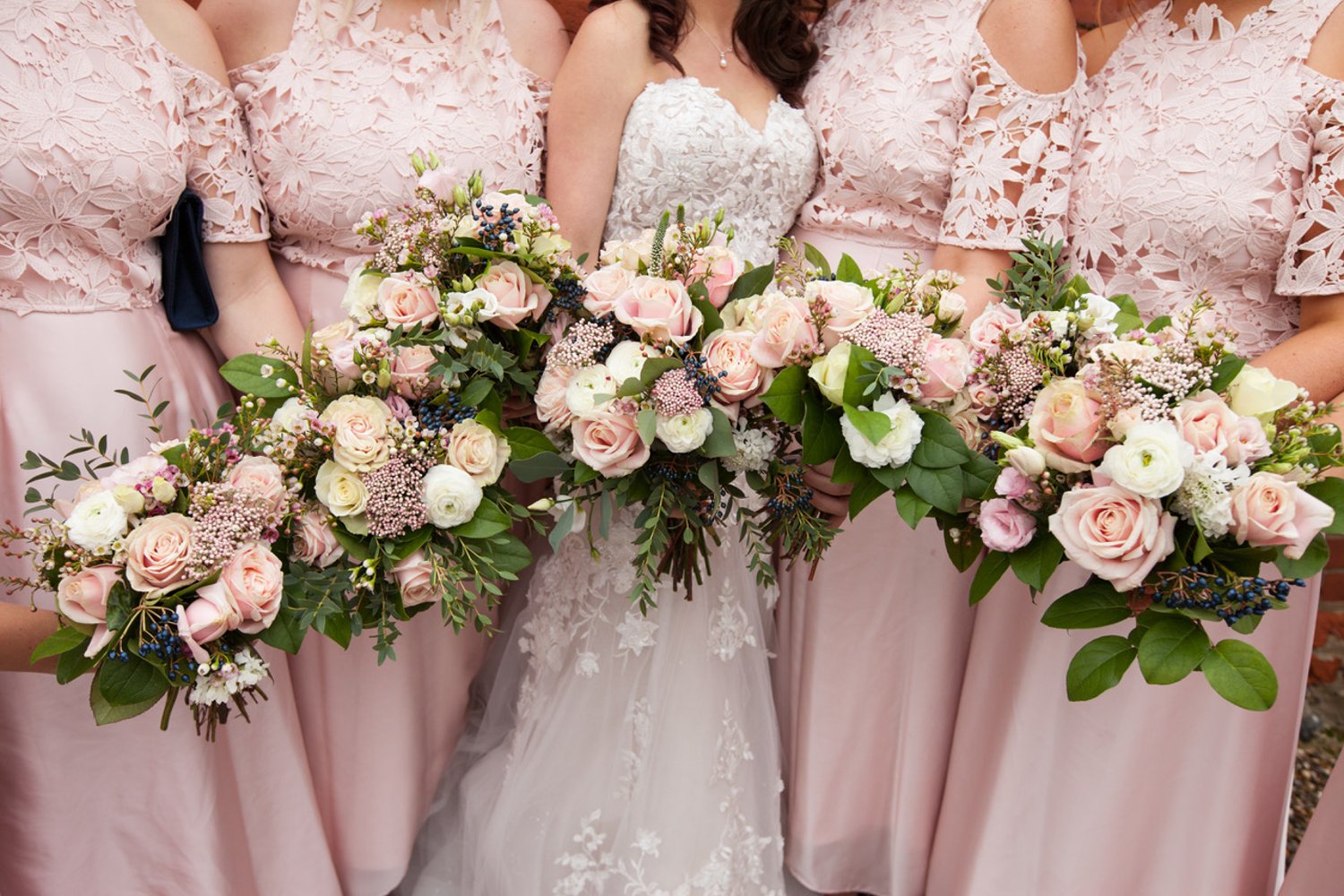
In recent years, couples have been reinventing the wheel when it comes to popular wedding flower colours. For instance, burgundy and scarlet-red are big in 2026, and a couple of years back, fuchsia mixed with hazard-orange was brought to the table as a fresh colour palette and even influenced brands’ bridesmaid dress designs for years to come.
The truth is, your wedding should feel authentic to you, so you can opt for any colour scheme you want, but here’s a list of popular flower colours to inspire your selection:
- White wedding flowers – calla lilies, anthuriums or orchids for the minimalist, extravagant tonal roses and hydrangeas for the maximalist
- Mixed pastel wedding flowers – this can skew as whimsical, retro or timelessly classical depending on which flowers you go for
- Single-tone pastels like peach, lilac and powder-pink are popular
- Bold colourful arrangements are a recent addition to the wedding flower canon, with many plumping for fuchsias, bright oranges, yellows and blues to really pop and add a playful feeling of spring/summer fun
- White and green – so a simple white flower paired with lots of beautiful foliage, such as eucalyptus and baby’s breath
- Christmas colour palettes of red, white and green
- Rust hues – in the form of orange flowers, autumnal leaves, pampas grass and dried foliage – which people tend to go for in September-November weddings
How to Choose Your Wedding Flowers
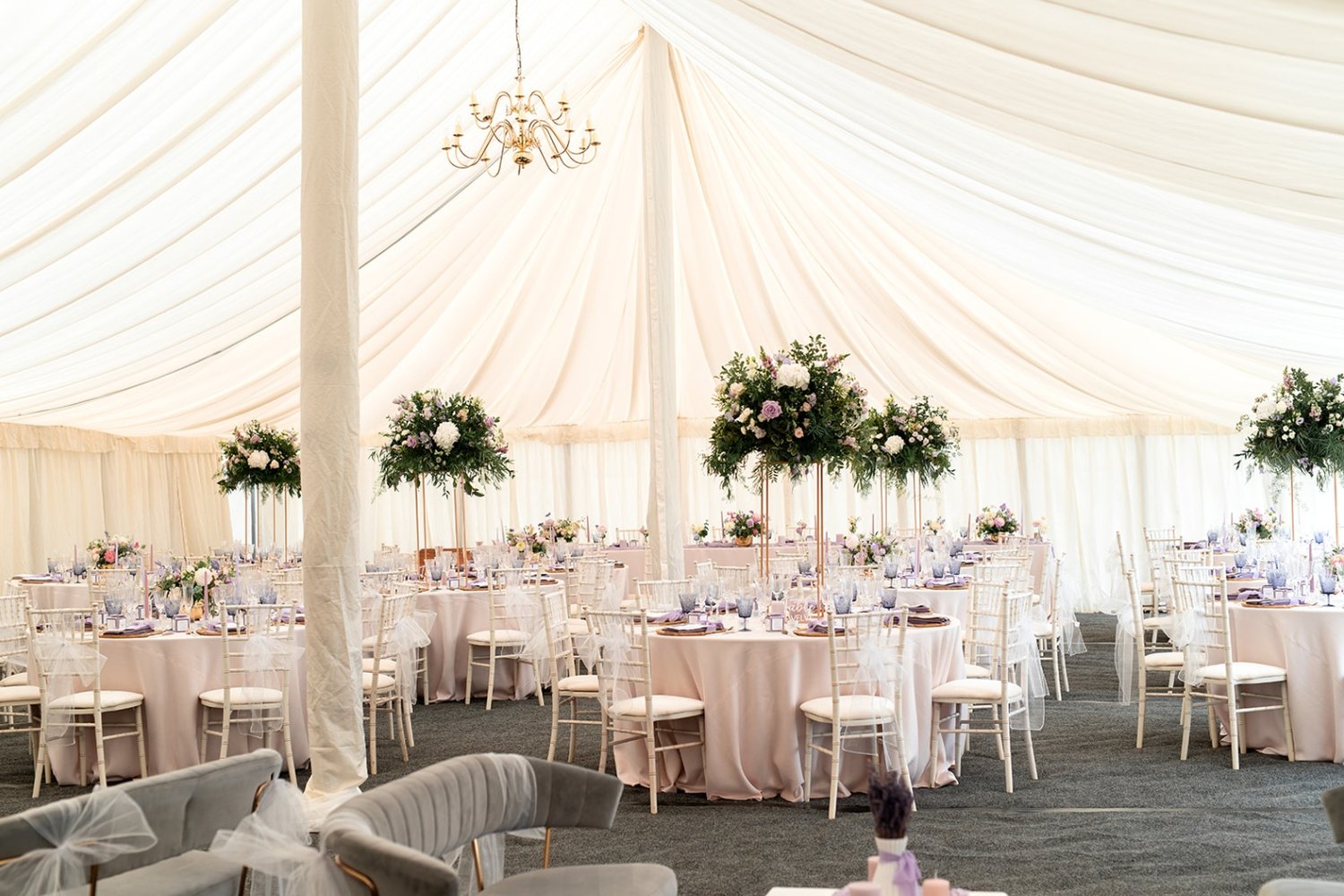
Aside from seasonality, as we’ve just discussed, the most important factor when choosing your wedding flowers is your budget. There’s no point in having an inspirational chat with your chosen florist if everything they’re discussing is out of your price range.
You don’t have to work with a florist; some couples DIY decorations and opt for faux flowers, and some actually grow the flowers themselves. But if you want a stress-free experience, remember that a florist will not only provide beautiful plants that define the entire aesthetic of your wedding, but they will also handle the heavy lifting.
We suggest you start choosing your flowers roughly 10 months before your wedding date, by which time you might know your chosen wedding colours. You must let your florist know exactly what these are, and perhaps even send a vision board, so that they can start thinking of flowers that will complement and enhance your decisions.
Your venue style is also worth thinking about early. A grand country house calls for something different to a relaxed barn or a contemporary city space, your florist can help you find arrangements that feel native to the setting rather than dropped in. And once you have your wedding colour palette confirmed, bring it to your florist consultation. Whether you’re working with neutrals, bold jewel tones or soft pastels, they can suggest flowers that tie everything together rather than pulling against it.
Find Wedding Florists Near You
If you choose the right florist, they will work within your budget to deliver something special. After all, they’re the experts: they know how to find affordable, in-season flowers that will tick the theme’s box. A florist will also design your bouquet and table settings for you, as well as store, deliver and set up your arrangements so you don’t have to stress on the day.
You shouldn’t just plump for the first florist you see locally, though. Many florists are willing to travel (however, within reason, or this may add to your overall costs), so it’s worth shopping around to find a florist that understands your vision. We have a directory here of the best UK-based florists for couples to browse from.
Not sure what to ask when you meet your florist? We’ve put together a list of the 19 best questions to ask your wedding florist to help you go in confident.
You might also like:
- Introduction: Wedding Bouquet Styles
- How To: Choose Your Wedding Flowers
- Wedding Prices: Flowers
- Saving Tips: Wedding Flowers
- 19 Questions To Ask Your Florist
- The Ultimate Wedding Planning Checklist: Every Step from Engagement to Wedding Day
Related articles