Engagement Ring Styles 2027: The Complete Guide to Every Cut & Setting

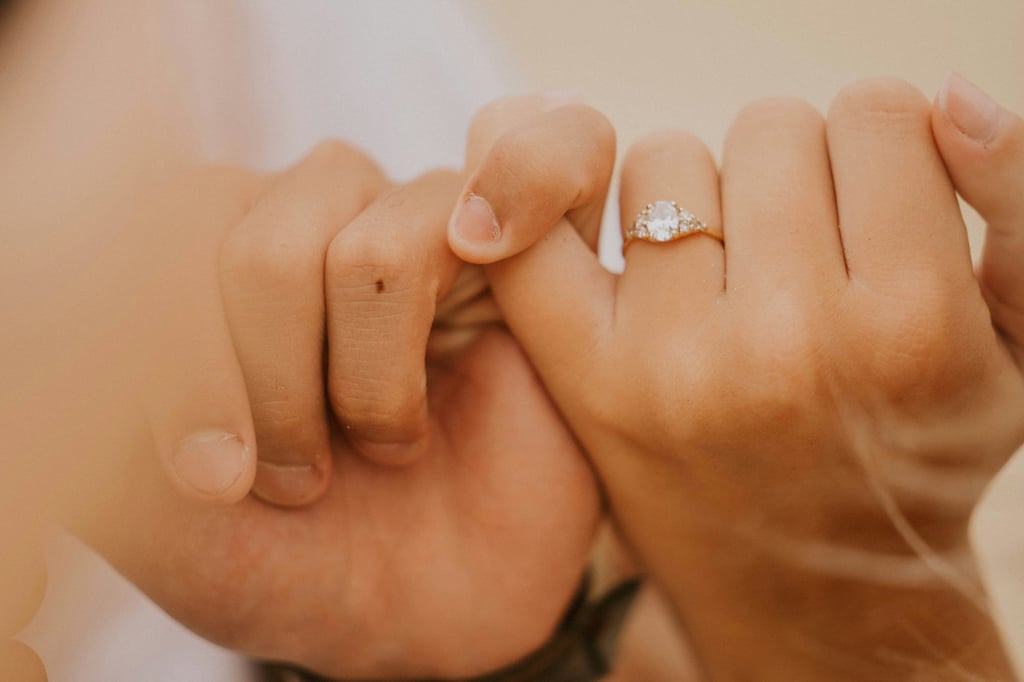
Goofy grin and bended knee may be optional when you pop the question, but an engagement ring style your partner will treasure is an essential part of proposal protocol.
Your partner will wear their ring every day for a very long time, so it’s worth putting in the effort to choose a rock they’ll want to show off.
While size matters to some, clarity, cut, metal choice, and colour are just as important which is why we’ve covered everything you need to know about the different types of engagement rings, and how to choose the right one for you, below.
Whether you’re choosing together or shopping on the sly, our lowdown on cuts, settings, and popular engagement ring shapes will guide you through the rocks to that perfect piece of jewellery.
Disclaimer: Ring designs, availability and pricing are subject to change. Always confirm current details directly with the retailer or jeweller before purchasing.
Engagement Ring Style | Defining Feature | Best For |
Solitaire | Single stone, no accent diamonds | Classic, timeless, lets the stone speak for itself |
Toi et moi | Two stones side by side, often different shapes | Couples wanting something distinctive and symbolic |
Trilogy/three-stone | Three stones in a row, usually graduated in size | Symbolic meaning (past, present, future); more visual impact than a solitaire |
Halo | Centre stone ringed by smaller diamonds | Making a smaller centre stone look larger; those who want extra sparkle |
Vintage/art deco | Period-inspired detailing – milgrain, filigree, geometric shapes | Couples wanting heritage character over a modern look |
Cluster | Several smaller stones grouped to look like one larger stone | Maximum sparkle on a smaller budget |
What Are the Main Engagement Ring Styles?
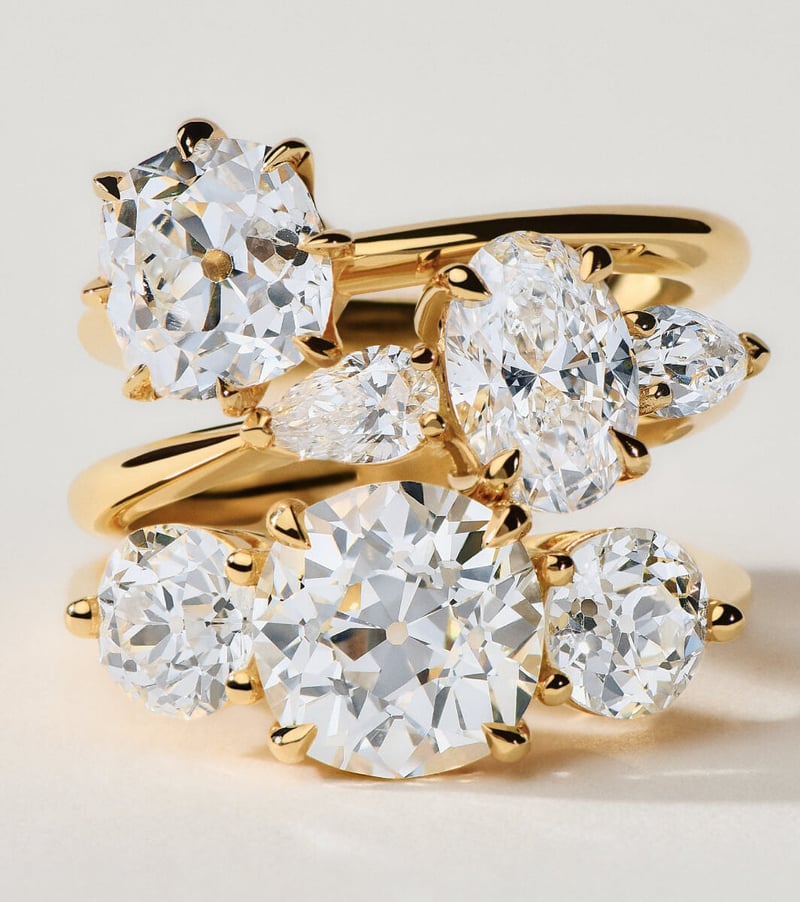
When we talk about the different engagement ring styles, some describe the engagement ring setting – the method by which the stone is secured to the ring – while others are simply design aesthetics. Either way, you’ll find a wealth of different styles on the market, each with their own unique characteristics.
If you’re feeling dazzled by all the options, here are the most popular ones:
- Solitaire: single stone, no embellishment
- Toi et moi: two stones nestled side by side
- Trilogy/three-stone: three stones in a row
- Halo: centre stone surrounded by smaller diamonds
- Vintage/art deco: period-inspired detailing
- Cluster: grouped smaller stones for an overall bigger look
Solitaire Engagement Rings
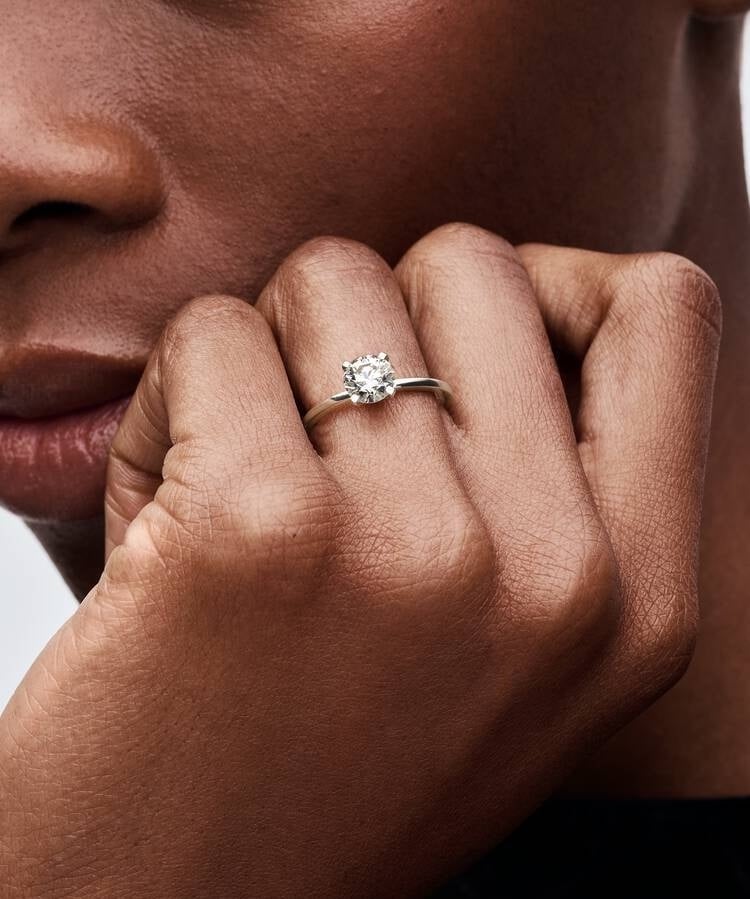
The most iconic engagement ring setting; solitaire settings allow the gemstone or diamond to take centre-stage.
- Solitaire engagement ring styles feature just a single stone held in place by either metal prongs or a bezel setting (where the central diamond or gemstone is completely enclosed by a metal border in the same metal as the band) to ensure it remains the focal point.
- Common cut and metal variations include oval diamond solitaire engagement rings, round diamond solitaires, platinum solitaire engagement rings, and gold solitaire engagement rings in yellow, white, rose-gold.
- A solitaire engagement ring will show off the stone quality and clarity more so than settings with detail, so it’s worth prioritising the stone itself. Round diamonds, often known as ‘brilliant-cut’ diamonds are the classic choice and perfect for maximum wow-them sparkle, while the oval’s secret is that it looks bigger than a round diamond of the same carat weight because of its slightly elongated shape.
Toi et Moi Engagement Rings
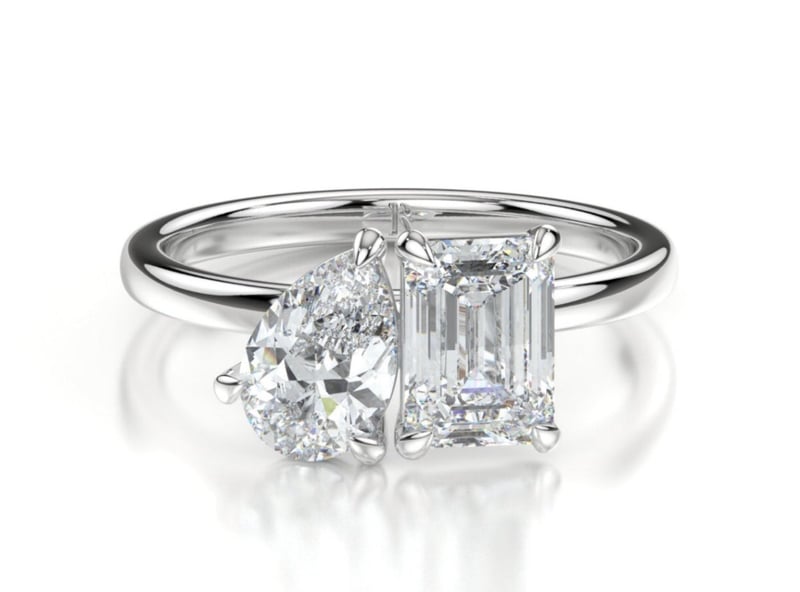
Toi et moi translates as ‘you and me’ – cute, right? In the world of jewellery though, it describes a ring style that features not one, but two main gemstones set side by side or close together.
- The paired gems are designed to symbolise the coming together of two people as one – hence, ‘you and me’. This romantic symbolism is why toi et moi engagement rings are becoming increasingly popular.
- The stones often contrast in cut, size, and colour for a more contemporary look. For example, you might choose to pair a classic white diamond with a coloured gemstone like an emerald or sapphire. That said, you can choose matching stones if you wish.
- If you’re considering a toi et moi style engagement ring, you’re opening yourself up to a lot more options and personalisation, but it’s also important to know which stones and cuts work together so the piece feels coherent. If you’re looking to create a bespoke engagement ring, speak to a professional jeweller who can help you choose stones that either contrast, echo, or balance one another for a look that’s intentional, not odd.
Trilogy & Three-Stone Engagement Rings
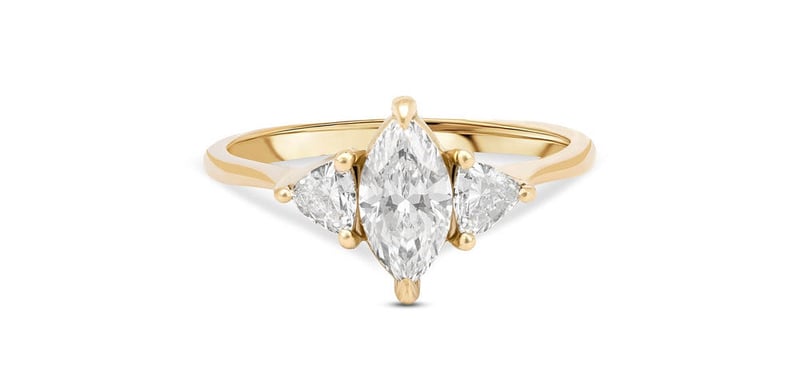
These feature a central diamond or gemstone flanked by two significantly sized side gemstones, said to represent your relationship’s past, present, and future journey. Sweet!
- Much like toi et moi engagement ring styles, the romantic symbolism behind trilogy rings (or three-stone engagement rings) means they’ve become an increasingly popular choice for couples over the last five years.
- The design is open to interpretation and naturally couples are choosing a variety of centre stones, including salt and pepper diamonds, and coloured gemstones in pink, blue, and green.
- Similarly to toi et moi diamond rings, the stones need to work together. So, while the cuts and colours don’t need to match necessarily, they do need to complement each other and ideally create a symmetrical look.
Halo Engagement Rings
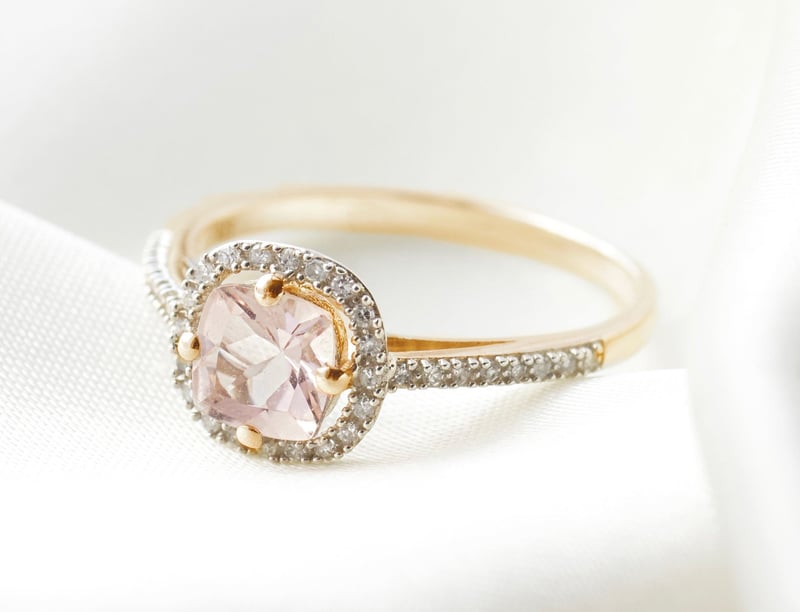
For those who want maximum dazzle, a halo setting could be for you.
- A halo engagement ring is where the central diamond or gemstone is surrounded by a circle (or ‘halo’) of smaller stones. It often makes the central gemstone look larger as a result.
- Common variations of the halo engagement ring include the ‘hidden halo’ engagement ring (where a ring of small accent diamonds is sat beneath the stone and is visible from the side), as well as a double halo engagement ring, and a pear-cut halo (a cross between an oval and a marquise, this cut feels very feminine. The point is worn towards the fingernail).
- Since the surrounding diamonds can make the central stone look up to a carat larger than it is, halo engagement ring styles can work brilliantly for those who are ring shopping on a budget. However, keep in mind that the band itself may cost more, and the abundance of small stones means it often requires more cleaning and maintenance.
Vintage & Art Deco Engagement Rings
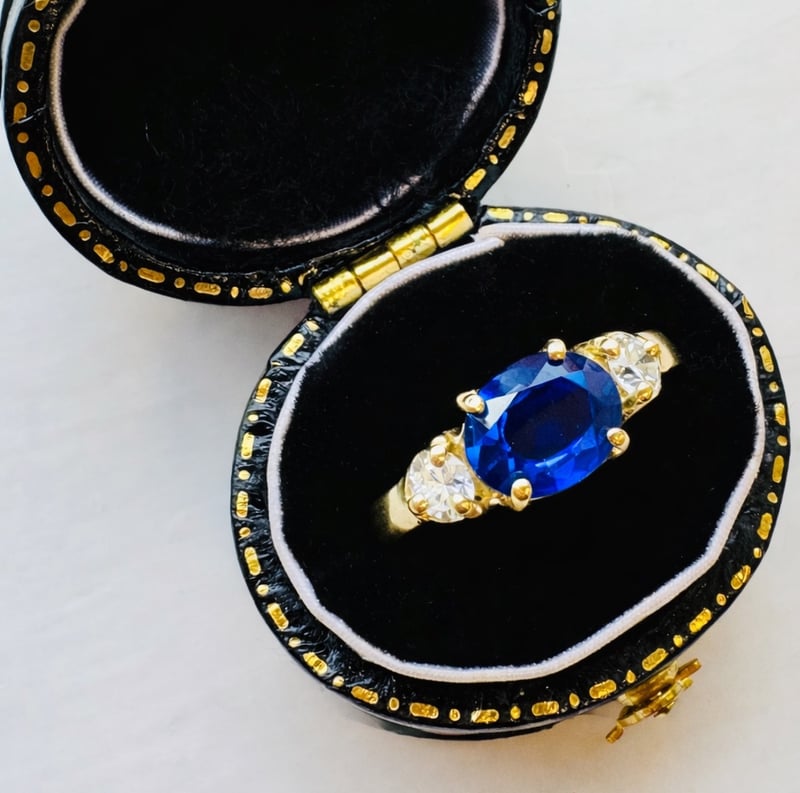
Vintage engagement ring styles will continue to reign supreme for 2027 – think art deco-inspired step-cuts (square and rectangular diamonds or gemstones like that of an emerald cut) and cluster settings (which we delve into more below).
- While lots of couples will choose to shop for genuine antique pieces, there are lots of vintage-style rings out there which allow you achieve that period-inspired look without having to buy a second-hand ring.
- Art deco is the biggest and most popular look; think geometric shapes, milgrain edging, and filigree details, all popular from the 1920s. Couples love this style because it simply has more character than a modern, minimalist setting.
- Remember that engagement rings with intricate details can require more maintenance over time, and the setting of the ring may also cost more than that of a solitaire or halo, for example, even with a similar-size gemstone. If you’re shopping for a genuine vintage piece, always buy from a trusted antique jewellery specialist.
Cluster Engagement Rings
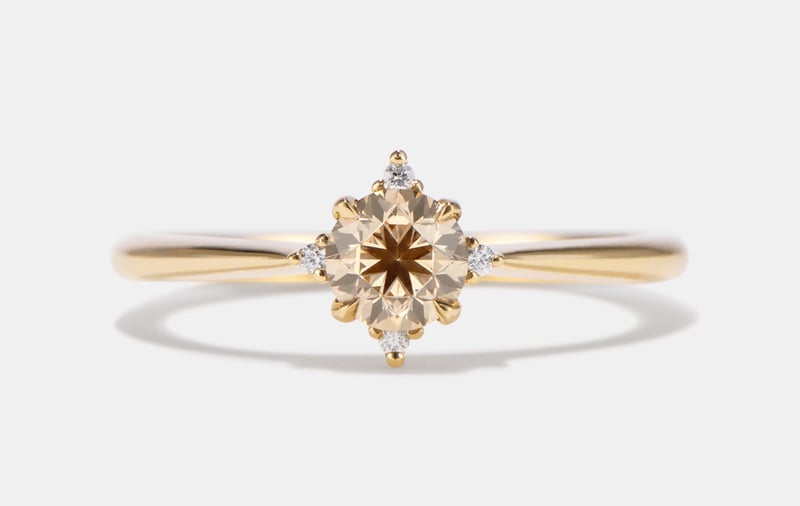
As couples opt for more personalised engagement ring styles, the cluster ring is up there as one of the classic solitaire’s biggest challengers. And for good reason!
- A cluster ring is defined by several smaller stones grouped closely to create the visual impact of one larger stone.
- The mix of stone shapes, diamond cuts, or coloured gemstones can make cluster engagement rings feel more individual and personalised than a trad solitaire. They also have more visual impact (read: sparkle) for a lower cost than a single large stone – perfect for those who want maximum bling on a lower budget.
- The cluster design is typically associated with vintage- and antique-style engagement rings, but modern jewellery designers are now experimenting with fresher silhouettes and different coloured gemstones to appeal to contemporary couples wanting something that feels individual. Really consider the pattern and aesthetic you want with this style, as the options are endless.
How to Choose an Engagement Ring Style
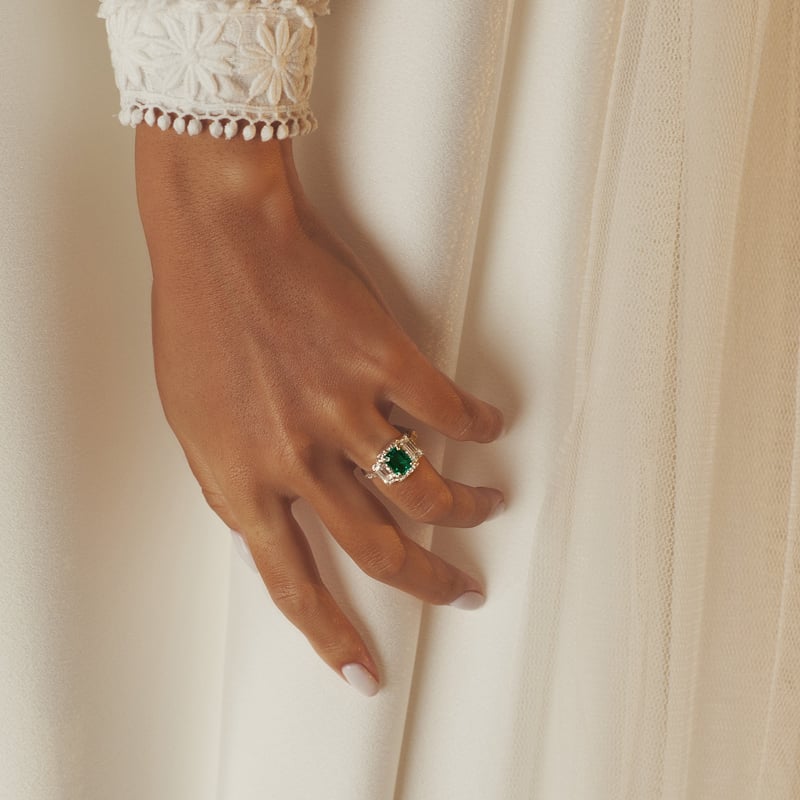
Of course, buying an engagement ring as a surprise is still the ultimate romantic option – but it’s not without risk. Consider your partner’s style, and maybe even do a reccy of their jewellery box or Pinterest board before you start shopping to get more of an idea of what they’d like, and the metals and jewellery designs usually they wear.
Likewise, many couples now opt for the ‘safer’ option of buying the ring together. However you’re shopping for your rock, here are some things to consider when choosing the right engagement ring shape:
1. The wearer’s lifestyle
Factor in daily activities, hobbies, and their profession. For those who have a more hands-on job, for example, halo and cluster settings can need more frequent cleaning or checking than a solitaire.
2. What they wear day to day
A very ornate setting might feel out of place for someone who prefers minimal jewellery, while a plain solitaire can feel underwhelming to someone with a more maximalist style.
3. How much you can afford
One month’s salary? Two? Whatever your resources for buying the ring, don’t skimp but also don’t bankrupt yourself – find a comfortable compromise.
4. All the Cs
Okay, we’re not talking about cost here, we’re talking about the stone. Understanding the difference between carat, clarity, colour, and cut will allow you to know exactly what your hard-earned cash is being spent on. Size doesn’t matter unless you think it matters to your partner, so don’t feel pressured to go big and likewise, flawless stones (aka clarity) are expensive so don’t worry about tiny imperfections that are practically invisible to the naked eye.
Consider the stone’s source, too. Always opt for sustainably sourced diamonds or consider lab-grown diamonds, which are just as beautiful, better for the environment and notably less expensive.
5. Where to shop
Always buy from an established jeweller with a good reputation – they’ll know their onions and will be more likely to let you change or alter the ring if you’re purchasing it undercover. Some even offer a free cleaning service for life. The retailer should also be able to tell you where the diamonds or gemstones have come from.
Finally, if you’re buying the engagement ring as a surprise, ensure you give yourself enough time to shop around so you don’t feel pressured into making an impulse decision. If you go down the custom route, you’ll need to allow around six to eight weeks for the ring to be made.
Still unsure of which engagement ring style to choose? A solitaire or simple trilogy is often the safest starting point. These engagement ring shapes suit the widest range of tastes and are easiest to resize or reset later if tastes change.
Engagement Ring Styles: FAQ
What is the difference between a halo and a solitaire engagement ring?
A solitaire engagement ring features a single stone with no other diamonds or stones on the setting, while a halo is a single central stone surrounded by a ring of smaller accent gemstones.
A single solitaire ring offers a cleaner, more minimalist look, while a halo engagement ring tends to be more sparkly, bolder, and sometimes even vintage-looking in style.
What is the most durable engagement ring setting for everyday wear?
The bezel setting is the most durable. In a bezel setting, the central diamond or gemstone is completely enclosed by a metal border in the same metal as the band, as opposed to being held in place by delicate prongs or claws. It’s a look that feels sleek and modern, and the gemstone feels a bit more secure and protected – perfect for those who tend to be a bit clumsy or have hands-on jobs.
In terms of durability, platinum is often considered the best metal for an engagement ring. The dense metal isn’t prone to wear and tear, so it’s great for daily wear.
Is a toi et moi ring more expensive than a solitaire?
A toi et moi ring isn’t necessarily more expensive than a solitaire, despite having two main gemstones instead of one. The price of your engagement ring will depend on the gemstones you choose, their combined carat weight, and the metal you choose for your setting.
Lab-grown diamonds, for example, can be significantly cheaper than natural mined diamonds.
Is toi et moi overtaking the solitaire as the UK’s most popular engagement ring style?
While the toi et moi engagement ring has seen a huge surge in popularity, it’s the classic choices that remain the most popular. The iconic solitaire diamond is a firm favourite because it’s timeless, elegant, and probably considered the ‘safer’ choice for those buying the ring as a surprise.
Can you add a halo to an existing solitaire ring later?
You can add a halo to a solitaire engagement ring later. Depending on the style of your current ring, many professional jewellers are able to solder a custom-made halo to fit snugly around your central stone. Traditional prong settings make adding the halo easier.
Do trilogy rings need three matching stones?
The three stones on a trilogy ring don’t necessarily need to match, but they do need to work together and look intentional. Traditional designs tend to feature a large central stone flanked by two smaller stones that are the same, but many modern designs now play about with stone shapes, different colours, and alternating cuts.
Get ahead with your wedding planning with Bridebook
Popping the question’s the easy part… now it’s time to plan the wedding! We’ve got indispensable wedding-planning tips to help guide you through every part of your day when you sign up to Bridebook today.
Why Trust Bridebook
Bridebook is the world’s #1 wedding planning platform, used by over 2.8 million couples. Our content is informed by real data from the Bridebook UK Wedding Report, which draws on responses from thousands of couples planning their weddings each year. Where expert input is included, contributors are named and their credentials verified. We update our articles regularly to ensure prices, statistics, and advice reflect current market conditions.
You Might Also Like…
- How Much Does an Engagement Ring Cost?
- How to Save Money on an Engagement Ring
- Which Finger Does an Engagement Ring Go On?
- The Ultimate Wedding Planning Checklist
- Wedding Ring Cost UK: How Much Should You Spend?
Related articles