What Is a Wedding Celebrant? Everything You Need to Know

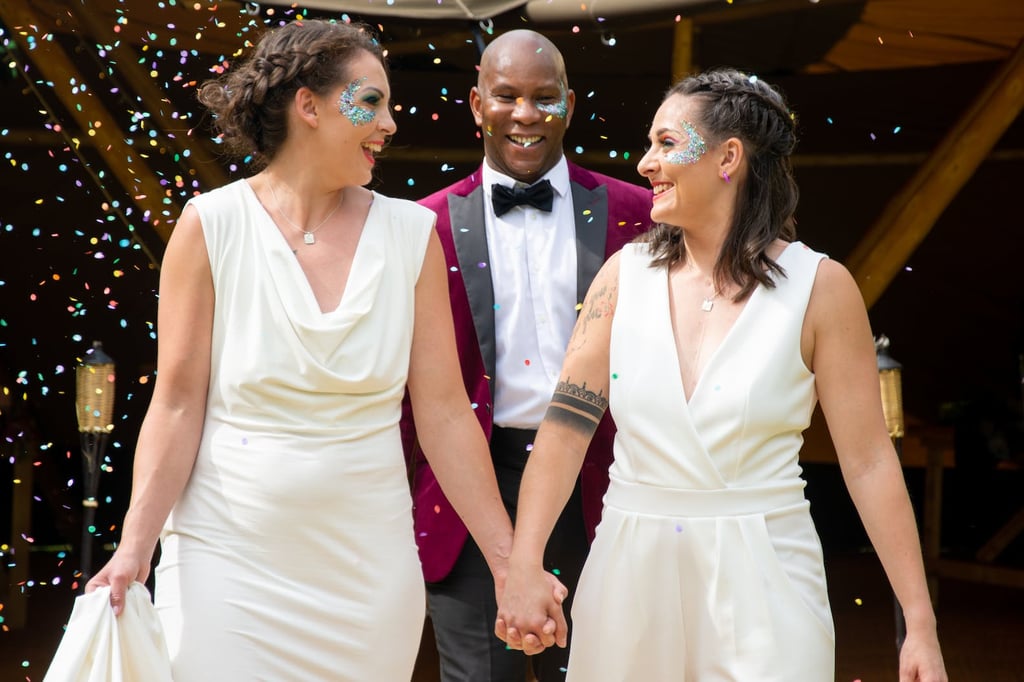
If you’ve come across the term and wondered what it actually means, you’re not alone. A wedding celebrant is a professional who creates and leads a personalised wedding ceremony – one that’s entirely tailored to you as a couple.
Unlike a registrar or religious officiant, a celebrant isn’t bound by a fixed script or strict venue rules. That means your ceremony can take place almost anywhere, include whatever elements you like, and feel genuinely reflective of your relationship. It’s a popular choice for couples who want something more meaningful, flexible, and personal than a standard civil ceremony.
Celebrant vs Registrar: What’s the Difference?
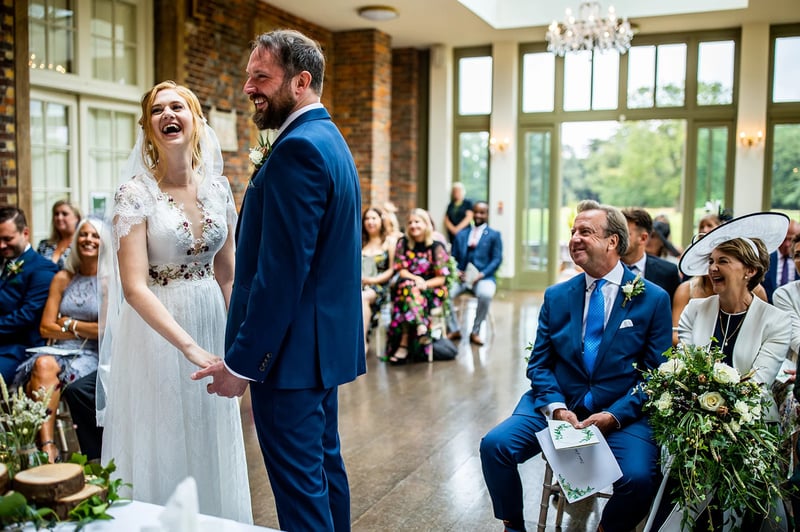
This is where most of the confusion lies – and it’s an important distinction to understand early on.
A registrar is a government-appointed official who conducts legally binding marriage ceremonies.
A wedding celebrant, on the other hand, focuses entirely on the experience of the ceremony itself – which can be legally binding, depending on where you marry in the UK.
Here’s how they compare:
| Wedding Celebrant | Registrar | |
|---|---|---|
| Legal status | Not legally binding in England and Wales | Legally binding |
| Ceremony style | Fully personalised | Set structure and wording |
| Location | Anywhere (beach, garden, private venue) | Licensed venues only |
| Content | Flexible (readings, rituals, personal vows) | Restricted (no religious content in civil ceremonies) |
| Time flexibility | You choose | Fixed time slots |
One reason for the confusion is that some local councils have started referring to their ceremony officers as “celebrants” or even “legal celebrants”.
David Willis, experienced wedding celebrant from Acorn 2 Oak Ceremonies explains: “Since demand for celebrants has grown, some registrar services have started using the term too – which can make couples think they’re getting the same experience.
“In reality, independent celebrants offer a very different level of flexibility and personalisation.”
In short: a celebrant gives you freedom and creativity, while a registrar handles the legal side of marriage.
Many couples choose to do both: a simple legal ceremony at a registry office, followed by a celebrant-led wedding that feels far more personal and memorable.
Is a Celebrant Wedding Legally Binding in the UK?
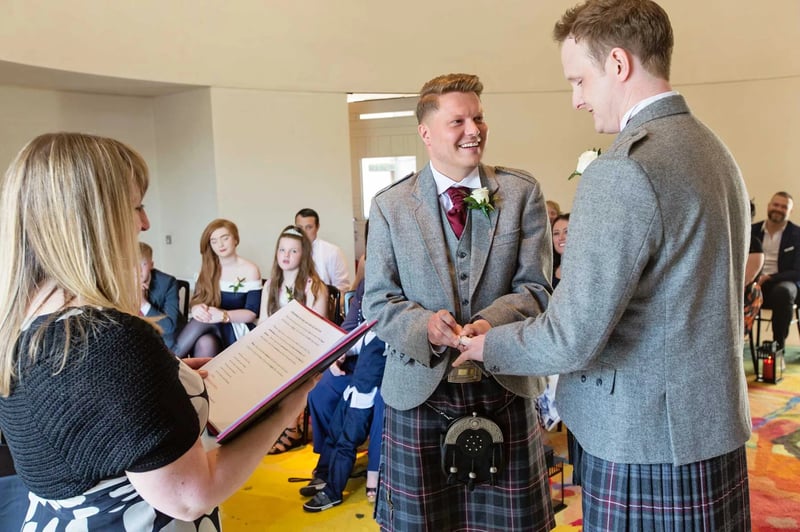
This is the question couples care about most, and the answer depends on where you’re getting married.
England and Wales
A celebrant-led wedding ceremony is not legally binding on its own. To be legally married, you’ll still need to complete a separate civil ceremony at a registry office or licensed venue.
This is usually quick and low-key – often done on a different day – allowing your celebrant ceremony to be the main event.
There is currently a reform of wedding law being reviewed, which could make celebrant-led marriages legal in England and Wales.
Scotland
Scotland is different. Some celebrants – particularly humanist celebrants – are legally authorised to conduct marriages. That means your celebrant ceremony can be legally binding, as long as the celebrant is registered.
Northern Ireland
Similar to Scotland, certain celebrants are legally recognised and can conduct binding ceremonies.
The Bottom Line
For most couples in England and Wales, a celebrant wedding is about creating a meaningful ceremony, while the legal paperwork happens separately. It may sound like an extra step, but many couples find it gives them the best of both worlds: complete freedom and legal recognition.
(As laws can evolve, it’s always worth double-checking your specific situation before booking.)
Types of Wedding Celebrant
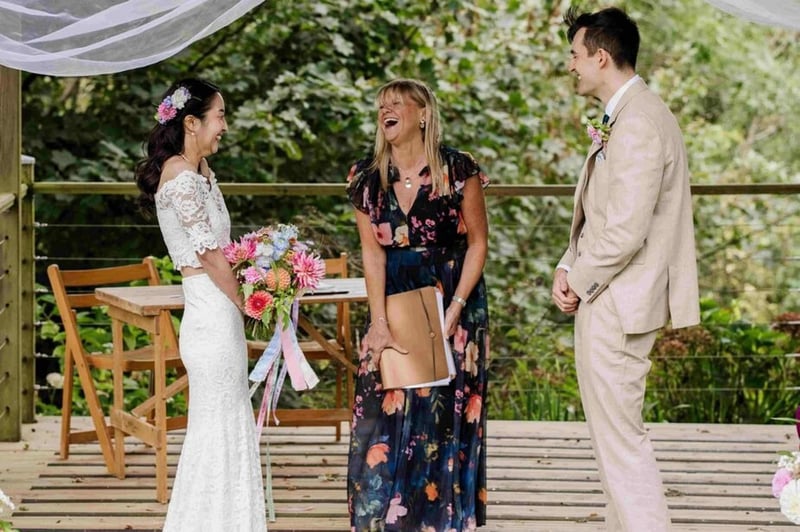
Not all celebrants work in the same way. Here are the main types you’ll come across:
Humanist Wedding Celebrant
A humanist wedding celebrant specialises in non-religious ceremonies that focus on your values, story, and relationship. Humanist weddings are deeply personal and often include symbolic elements like handfasting or ring warming.
In Scotland and Northern Ireland, many humanist celebrants are legally authorised to marry couples.
Independent (Non-Religious) Celebrant
Independent celebrants also create bespoke ceremonies, but without being tied to a specific organisation or belief system. They’re incredibly flexible – happy to include spiritual elements, cultural traditions, or completely modern formats.
“I work with a lot of couples who want a modern ceremony that includes cultural or religious elements,” says David. “It might be a fusion of backgrounds, or something that reflects their family.”
Interfaith Celebrant
If you and your partner come from different religious or cultural backgrounds, an interfaith celebrant can blend traditions respectfully. These ceremonies often balance multiple beliefs in a way that feels inclusive and meaningful.
What Does a Wedding Celebrant Actually Do?
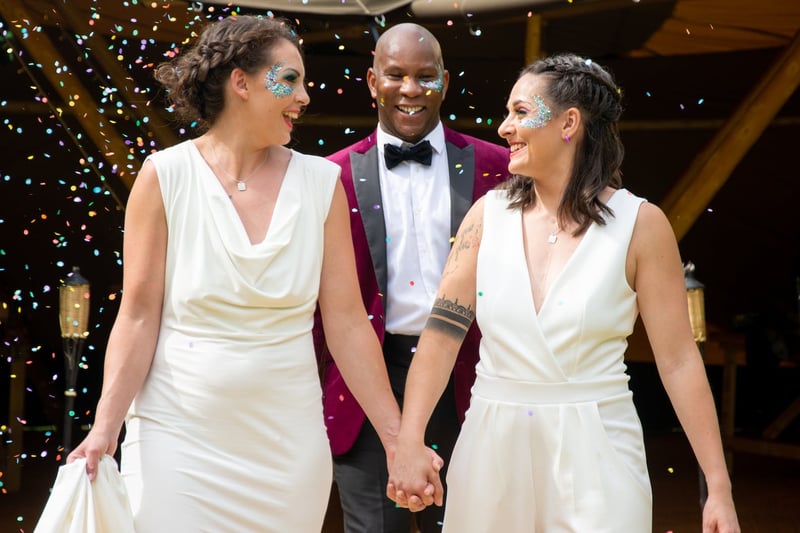
Working with a celebrant is a far more collaborative process than many couples expect, and it often becomes one of the most memorable parts of planning your wedding.
“A wedding celebrant will warmly welcome guests, set the tone, and make everyone feel relaxed,” says David. “We’re there to make sure the ceremony feels like the start of the celebration – not something formal to get through.”
1. Getting to Know You
Your celebrant will start with one or more consultations to understand your relationship, your personalities, and what you want from your ceremony. This is where you’ll share your story – how you met, what matters to you, and the tone you’re aiming for.
“Couples love that they really get to know their celebrant, like they do with their photographer or florist,” David explains. “That relationship is what allows the ceremony to feel genuinely personal.”
2. Writing Your Ceremony
Using everything you’ve shared, they’ll craft a completely bespoke script. This might include personal vows, readings, symbolic rituals, and moments for family or friends to be involved.
3. Planning the Details
From music cues to timing, your celebrant helps structure the ceremony so everything flows naturally. Many will also guide you on writing vows or choosing meaningful elements.
4. Rehearsal (Optional)
Some celebrants offer a rehearsal before the big day, helping everyone feel confident and relaxed.
5. Leading the Ceremony
On the day itself, your celebrant sets the tone – welcoming guests, telling your story, and guiding the ceremony from start to finish. The result is something that feels personal, warm, and completely unique to you.
6. Inclusion of Others
Celebrants can also help involve loved ones in meaningful ways.
“For couples with children or stepchildren, it’s often important to include them,” David explains. “Rituals like handfasting or sand ceremonies are a beautiful way to make the ceremony about the whole family.”
How Much Does a Wedding Celebrant Cost in the UK?
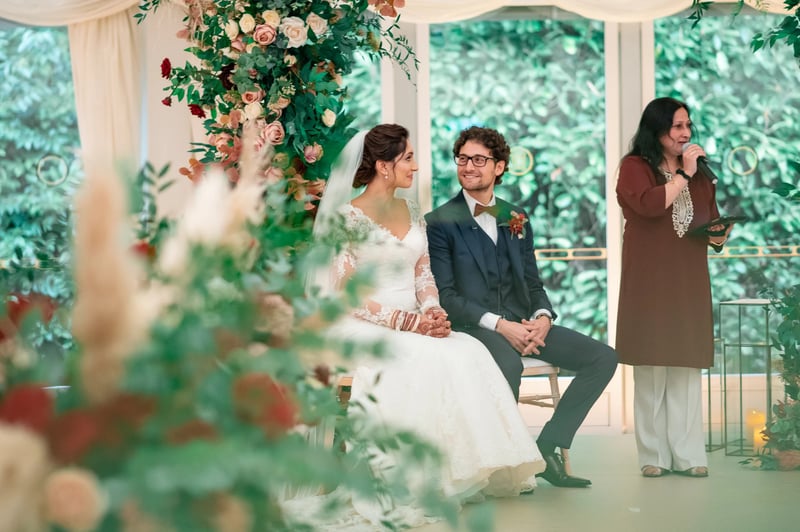
The cost of a wedding celebrant in the UK typically ranges from £400 to £900, depending on experience, location, and what’s included.
At the lower end, you might get a shorter ceremony with fewer consultations. At the higher end, you’re paying for a fully bespoke service – including multiple meetings, script writing, and on-the-day coordination.
While it may seem like an additional cost (especially if you’re also booking a registrar), many couples see it as one of the most worthwhile investments in their wedding, because it directly shapes the experience of the day.
How to Find a Wedding Celebrant
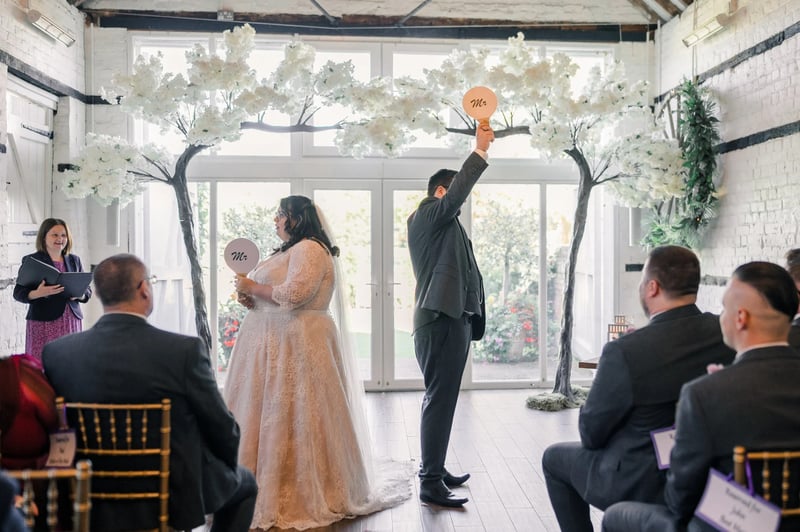
If you’re thinking a celebrant wedding might be right for you, the next step is finding someone whose style fits your vision.
Start by browsing real weddings and supplier directories to get a feel for different approaches. You can browse wedding celebrants on Bridebook, or check out organisations like the Humanists UK.
When searching for a wedding celebrant near you, look for someone whose tone, personality, and experience align with what you want – not just their location.
A celebrant wedding isn’t just about where you get married; it’s about how you get married.
If you want a ceremony that feels personal, flexible, and genuinely reflective of your relationship, a wedding celebrant can make that happen in a way few other options can. And while the legal side may require a separate step in some parts of the UK, many couples find the freedom and meaning it brings more than worth it.
Related articles