Best Man Speech Opening Lines: 25 Ways to Start Strong

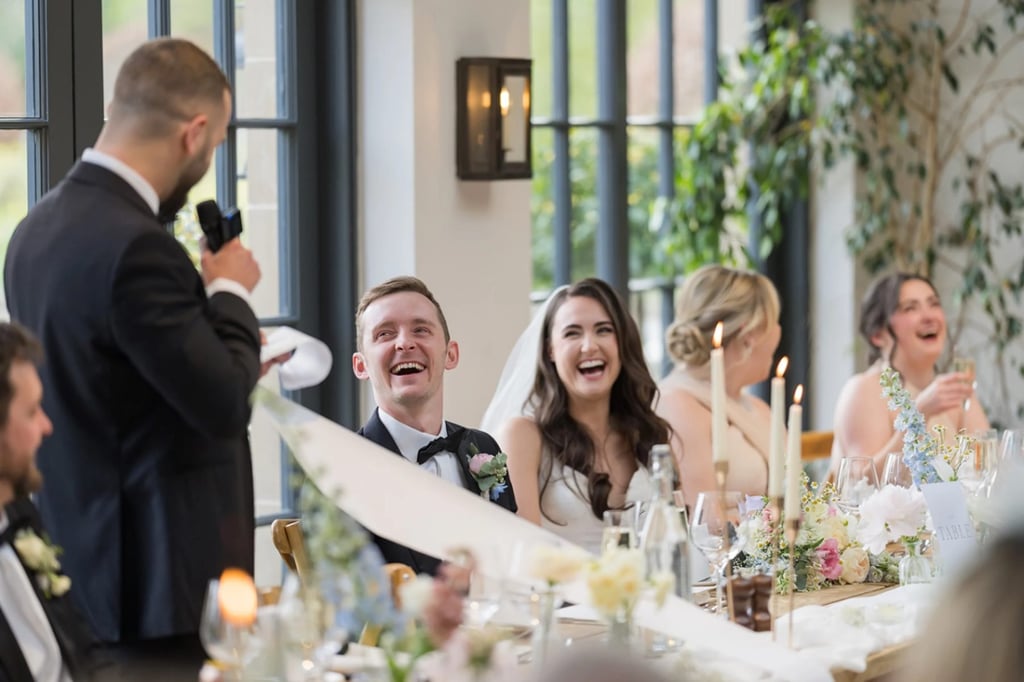
The first line of a best man speech does one job: get a laugh (or a smile) and buy yourself thirty seconds to settle your nerves. Below are 25 opening lines for a best man’s speech, grouped by tone, plus guidance on picking the right one and delivering it so it actually lands.
Switch out the names in brackets to suit the wedding you’re speaking at – whether it’s a groom, bride, or a new spouse. These opening lines for wedding speeches can be adapted to all!
Funny opening lines
These work best with a mixed-age crowd and a groom who can take a bit of gentle ribbing.
- “Being asked to be someone’s best man is a bit like jury duty – you don’t really want to do it, but you know you have to.”
- “This speech is going to be a lot like [groom]: short, and not particularly funny.”
- “It’s been an emotional day… even the cake is in tiers.”
- “[Groom] told me the buffet’s charged per head tonight, so on his behalf, I’d like to thank the following people for not coming…”
- “Apparently, as best man, I’m supposed to sing [groom]’s praises. Unfortunately, I can’t sing, and I won’t lie.”
- “The trouble with being best man is you never actually get the chance to prove it.”
- “I rehearsed this speech in front of a live audience at my nan’s care home. I think it went well – though most of them fell asleep, so it’s hard to say.”
Self-deprecating and “nervous” opening lines
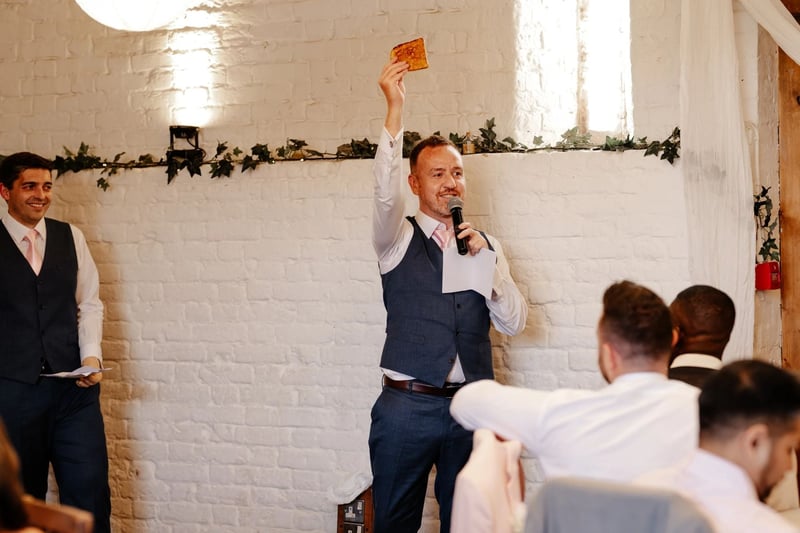
Good if you genuinely are nervous – naming it upfront gets the sympathy laugh and takes the pressure off. See more best man speech examples here.
- “I’d just like to say I’m very nervous about this speech. This is actually the third time today I’ve stood up from a warm seat holding a piece of paper.”
- “I am a little nervous giving this speech, but I’ve rehearsed it in front of a live audience before, so I know roughly what to expect.”
- “In the interest of full transparency: I wrote this speech in the venue car park about forty minutes ago.”
- “Standing up here, I finally understand why [groom] looked so terrified an hour ago.”
Short and simple opening lines
Ideal if you’re not a natural performer, want to keep the whole speech under three minutes, or the room is more formal than jokey.
- “Thank you all for being here today. For those who don’t know me, I’m [name], and I’ve had the job of best man – which mostly means I know where all the bodies are buried.”
- “My parents always told me that if I had nothing good to say about someone, I should keep quiet. So this’ll be a short one.” (pause, then continue)
- “I don’t believe in roasting the groom on his big day, so this speech won’t contain any humiliating stories about [groom]. I’ll stick to his loving, generous nature. Thank you, and goodnight.” (pause, then continue)
Sentimental opening lines
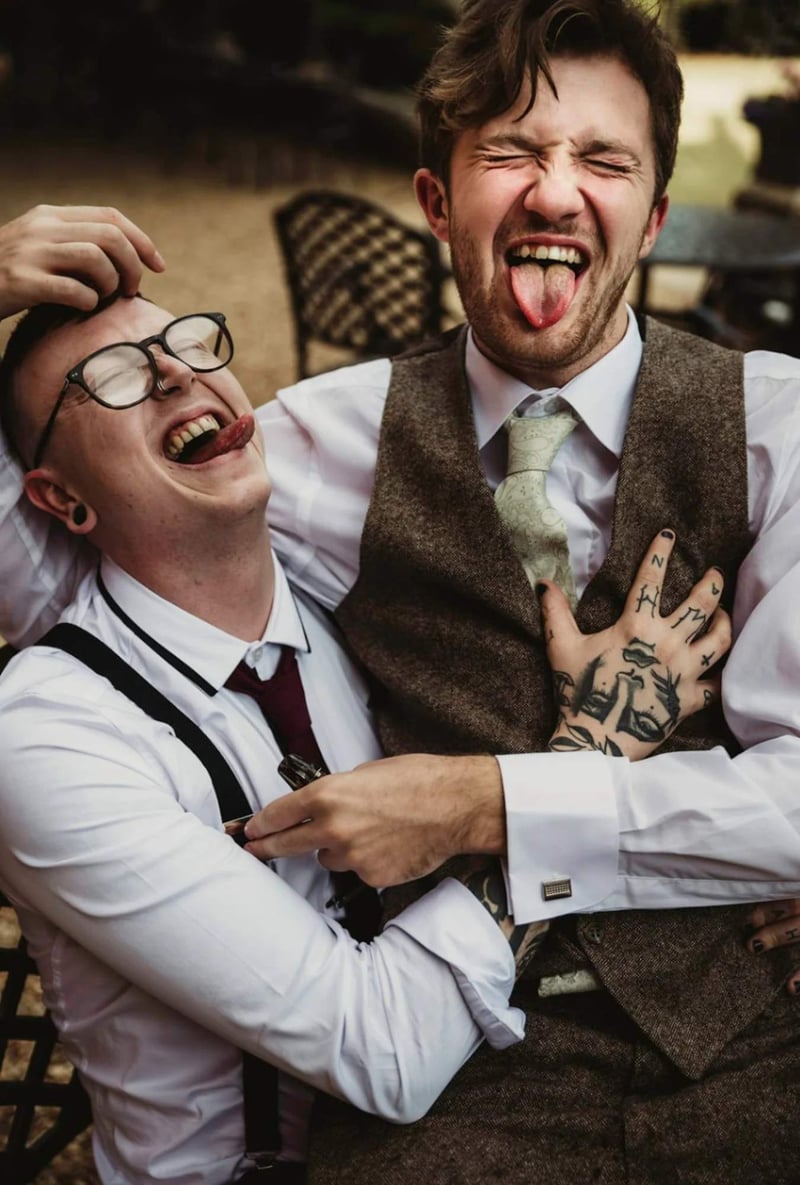
For best men who’d rather lead with warmth than a punchline – still works as an opener, just sets a different tone for what follows.
- “I’ve known [groom] for [X] years, and honestly, I’ve never seen him look at anyone the way he looks at [partner].”
- “When [groom] asked me to be his best man, it was one of the easiest yeses I’ve ever given.”
- “A wedding is one of the few days where everyone in the room agrees on something: that these two are meant to be together.”
Opening lines for a brother
Speeches for a sibling can afford a line that nods to shared history without a full childhood story dump.
- “I’ve known the groom slightly longer than everyone else in this room – thirty-one years, to be precise, and I’ve got the scars to prove it.”
- “Growing up, I never thought I’d be the one giving [groom] advice on how to behave in front of an audience. Turns out today’s the day.”
How to pick the right opening line
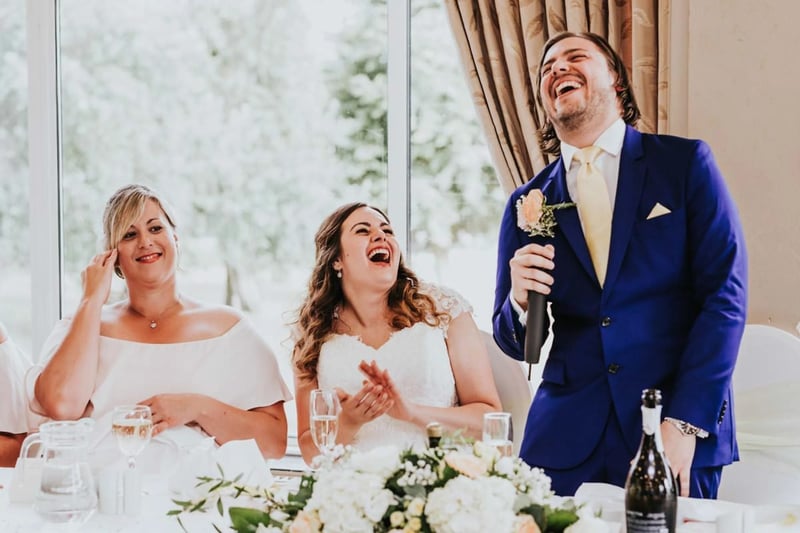
Match the line to the room, not just to what made you laugh when you found it. A few quick checks before you commit to one:
- Read the crowd first. A joke that lands with your mates at the stag do can fall flat in front of grandparents. If in doubt, go milder.
- Match it to the rest of your speech. A punchy joke opener followed by three minutes of sincerity can feel jarring – pick a line that sets the tone you’re actually going to hold.
- Personalise it. Swap in real names, a real number of years, a real shared memory. Generic lines get polite laughs; specific ones get real ones.
- Say it out loud before the day. What reads as funny on paper doesn’t always land the same way spoken – timing and pacing matter as much as the words.
What to avoid in your opening line
Skip anything that could genuinely embarrass the couple in front of family, references to exes, or jokes that only make sense to a small friend group – if half the room won’t get it, it’s dead weight. And steer clear of a “roast” opener unless you already know the groom would rather be teased than praised; not every audience (or every groom) wants that.
FAQs
What is a good opening line for a best man speech?
A good opening line is short, easy to deliver, and matched to the room – either a light joke that breaks the tension or a brief, genuine line that sets a warm tone. It doesn’t need to be the funniest line in the speech; it just needs to get you comfortably into it.
How do you start a best man speech if you’re nervous?
Naming the nerves directly is one of the most reliable openers – it’s relatable, it gets an easy laugh or smile, and it buys you a moment to settle before the main speech. Practising the first line out loud several times beforehand also makes the actual delivery far less daunting.
Should a best man speech opening line be funny?
Not necessarily. A funny opener works well with a relaxed crowd, but a short, sincere line can be just as strong an opener, particularly if the rest of the speech leans sentimental rather than comedic.
How long should a best man speech opening line be?
One or two sentences is enough. The opening line’s job is to settle the room and yourself – the story, the toast, and the detail all belong later in the speech.
Bridebook, the UK’s #1 wedding planning platform used by over 2.8 million couples, has more wedding speech guidance – including how to structure the rest of a best man speech once you’re past the opening line, and how to work out the running order for wedding speeches if you’re coordinating with the father of the bride or the groom.
Why Trust Bridebook
Bridebook is the world’s #1 wedding planning platform, used by over 2.8 million couples. Our content is informed by real data from the Bridebook UK Wedding Report, which draws on responses from thousands of couples planning their weddings each year. Where expert input is included, contributors are named and their credentials verified. We update our articles regularly to ensure prices, statistics, and advice reflect current market conditions.
Last reviewed: July 2026
Related articles