How to Write a Maid of Honour Speech: Structure, Tips & Examples

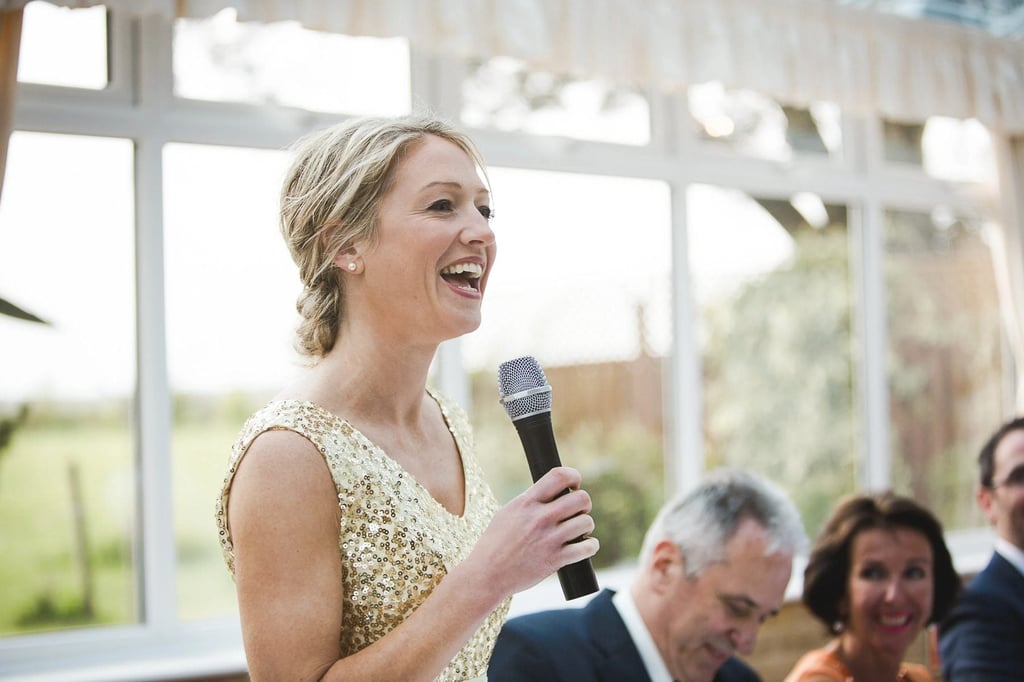
You’ve been asked to be maid of honour. You’ve said yes, meant it completely, and now you’re sitting with a blank document wondering where on earth to start.
Here’s the thing: you already have everything you need. You know this person – really know them. You held their hair back after one too many VKs at uni, consoled them through their first heartbreak, and helped to dissect the meaning behind the messages sent in the early stage of their relationship.
The job of the maid of honour speech isn’t to be the funniest person in the room or to deliver a performance. It’s to say something true about your person, in front of the people who love them most, on the biggest day of their life.
This guide gives you a structure that works, practical advice on what to include and what to leave out, and the confidence to deliver it in a way that feels like you.
What is a maid of honour speech?
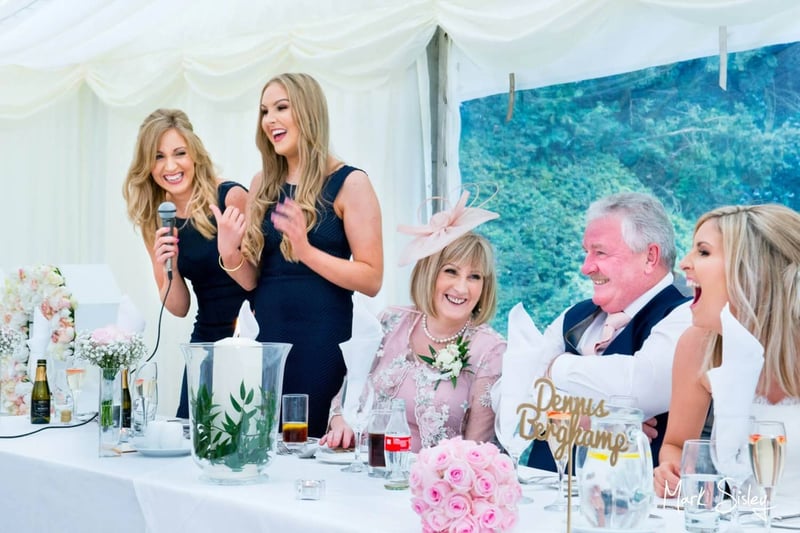
A maid of honour speech is a speech given by the maid of honour or chief bridesmaid during the wedding reception, usually after the more traditional speeches from the groom, best man, and father of the bride.
It’s not part of the conventional speech line-up, so there are fewer expectations on you, and more freedom to make it your own.
More and more couples are choosing to include a maid of honour speech, particularly as wedding parties become less rigidly gendered. If you’ve been asked to give one, it’s because the couple want to hear from you specifically. That’s a gift, not a burden.
How long should a maid of honour speech be?
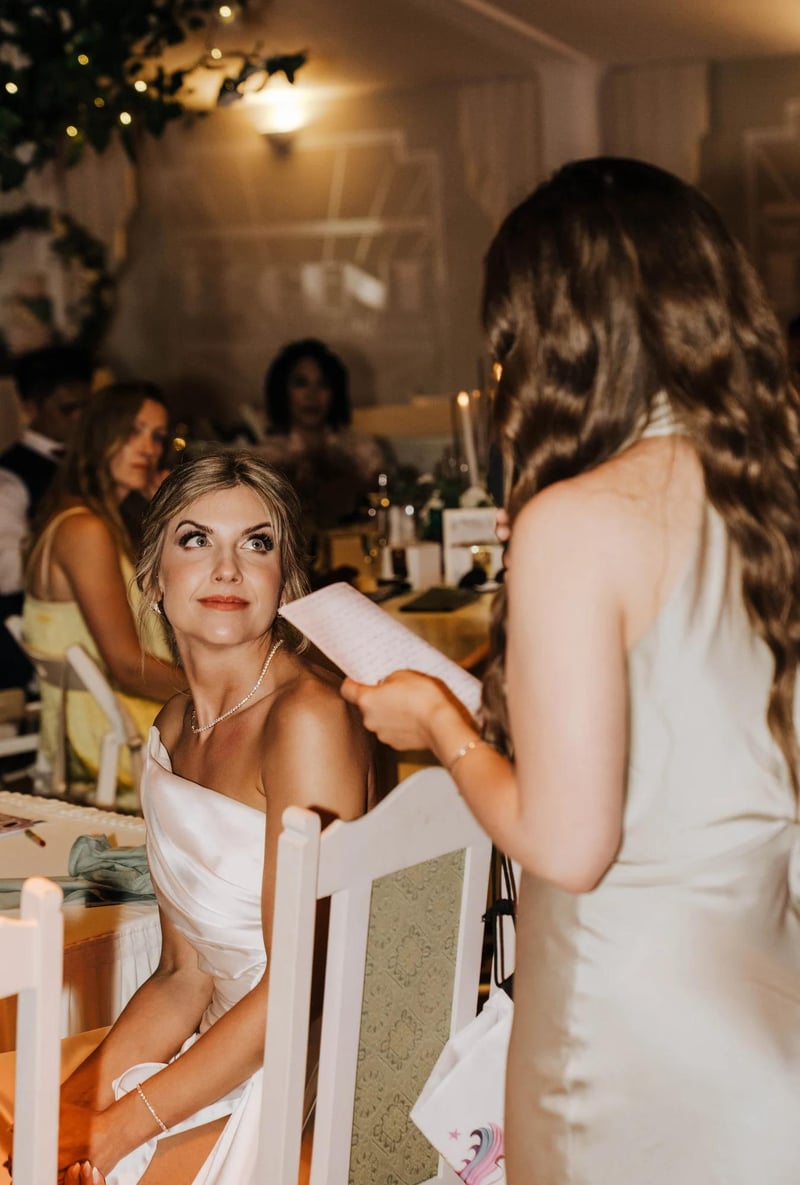
Aim for five to seven minutes – roughly 700–900 words at a comfortable speaking pace. That’s enough time to say something meaningful without testing the room’s patience.
Time yourself standing up and speaking aloud, not reading silently. Most people speak faster when they’re nervous, so a speech that runs six minutes in your kitchen will often run closer to five in the room. Build in a little breathing room.
Maid of honour speech structure
The best maid of honour speeches follow a simple emotional arc: they establish who you are and why you’re the right person to be speaking, they say something true about the bride, they celebrate the couple together, and they end with a toast that means something. Here’s how that looks in practice.
1. Introduce yourself (30–45 seconds) Tell the room who you are and how you know the bride. Not everyone will know you – especially if it’s a large wedding – so give them one detail that establishes the relationship and hints at what’s coming. The best introductions do double duty: they set the tone and make the audience like you immediately.
2. Stories about the bride (2–3 minutes) This is the heart of the speech. One or two stories that say something true about who she is – not a list of adjectives (“she’s kind, she’s funny, she’s caring”), but specific moments that show it. The strongest stories make the audience feel like they know her better than they did two minutes ago. Funny is great, but honest lands harder. Aim for both.
A note on wedding planning stories: if you were involved in the planning, a brief moment here – the cake tasting, the venue drama, the dress decision – can work well. Keep it warm and keep it short. This section is about her, not the logistics.
3. When she met her partner (45–60 seconds) You knew her before. What changed? What did you notice? This is the pivot point of the speech – where it stops being about your friendship and starts being about the couple. One specific, honest observation from someone who was there at the beginning is worth more than two minutes of generic praise.
4. Something genuine about the couple (45–60 seconds) Say something true about why these two people work. Not “they’re perfect for each other” – something specific. A dynamic you’ve observed, a moment you witnessed, a quality in her partner that you’ve come to love. If you don’t know them well, focus on what they’ve brought out in her. That’s always true, and it’s always worth saying.
5. The toast (30 seconds) End on the couple. Not a callback joke, not another story, not a trailing thought. Move from your final observation directly into raising your glass – name both people, say something sincere, and give the room a clear moment to join you. The cleanest endings don’t overstay their welcome.
What to include in a maid of honour speech
Your relationship with the bride. The more specific, the better. How you met, what your friendship is built on, what she means to you – but shown through stories and moments, not stated directly.
Her best qualities, illustrated. Don’t tell the room she’s generous. Tell them about the time she drove two hours to pick you up when your car broke down, or the way she remembers every single person’s coffee order. Show, don’t list.
The couple’s love story, from your perspective. You have a unique view on this – you saw it from the outside. Use that.
Something for her partner. Even a sentence or two that acknowledges them directly – what you love about them, or what they’ve done for her – means a lot and lands well with the room.
A toast. Always end with one. It gives the room a clear cue and closes the speech properly.
What to leave out
Anything inappropriate for the whole room. Parents, grandparents, children, colleagues – they’re all there. The filter is: would I be comfortable if her mum heard this? If the answer is anything other than yes, cut it.
Stories that overlap with the best man. Cross-check before the day. Two people telling variations of the same story is awkward for everyone, including the couple.
Generic compliments. “She’s the kindest person I know” means nothing without evidence. Replace every adjective with a story and the speech immediately becomes more powerful.
Outdated tropes. The “Bridezilla” reference, the “she’s finally off my hands” joke, anything that frames marriage as the end of freedom. These land badly even when they’re intended warmly.
Going too long. Seven minutes is the ceiling. Know when you’ve said what you came to say, and sit down.
Maid of honour speech opening lines
The first line sets the tone for everything that follows. Here are ten options in different registers – use one as a starting point, then make it yours.
- “I’ve been [Bride’s name]’s best friend for [X] years. In that time I’ve seen her through a lot. None of it has prepared me for how proud I feel standing here today.”
- “For those who don’t know me – and I know there are a few of you – I’m [your name], the maid of honour, and I’ve been looking forward to this moment for considerably longer than [Bride’s name] knows about.”
- “I was told to keep this short. I said I’d try. Those of you who know me will already know how this is going to go.”
- “I’ve been [Bride’s name]’s [best friend / sister / person] for [X] years, which means I know exactly how much this day means to her – and exactly which stories she’s hoping I won’t tell.”
- “I’m going to start by saying that I promised [Bride’s name] I wouldn’t cry. I’d like to apologise in advance for that promise.”
- “When [Bride’s name] asked me to be her maid of honour, I said yes immediately. I then spent the next six months writing and deleting this speech. What you’re about to hear is the version I was too tired to delete.”
- “I’ve known [Bride’s name] since [how you met], so I’ve had a front-row seat to most of the important moments of her life. Today is the best one yet.”
- “I’m not usually someone who gives speeches. [Bride’s name] knows this, which is why I think she asked me – she knew I’d mean every word.”
- “There are people in this room who’ve known [Bride’s name] longer than I have. I’d like them to know I think I’m still more qualified for this job.”
- “Hello everyone. I’ll keep this relatively short – not because I don’t have material, but because I have a lot of material and [Bride’s name] has seen the draft.”
Tips for delivering your speech
Practise out loud, standing up. At least five times before the day. A speech that reads well on the page can feel completely different when you say it. You need to hear it to know if it works.
Use cards, not your phone. Cards don’t require unlocking, don’t run out of battery, and don’t make it look like you’re distracted. Write key words rather than full sentences – prompts, not a script. Number them in case you drop them.
Slow down. Nerves make everyone speak faster. Build pauses into the speech – after something funny, after something sincere – and let the room respond before you move on. Silence after a laugh is the laugh landing properly.
Make eye contact. Look at the bride, at her partner, at the room. Not constantly – just regularly. A speech delivered entirely to a piece of card is a reading, not a moment.
Don’t apologise in advance. “I’m not very good at this” lowers the room’s expectations before you’ve said anything worth hearing. Start with your first line and let the speech do the work.
Cross-check with the best man. Do this at least a week before the wedding. You don’t need to share the whole speech – just the stories. Duplicate material is the one thing that’s genuinely hard to recover from in the room.
FAQs
Does the maid of honour always give a speech?
No – a maid of honour speech isn’t part of the traditional wedding speech order. But more and more couples are choosing to include one, particularly at less traditional weddings. If you’ve been asked, it’s because the couple specifically want to hear from you.
Should a maid of honour speech be funny or emotional?
Ideally both – but if you have to choose, lean emotional. The speeches people remember aren’t always the funniest ones; they’re the ones that said something true. One genuine, specific observation about the bride will land harder than five jokes that don’t quite fit. If humour comes naturally to you, use it. If it doesn’t, don’t force it.
What should you not say in a maid of honour speech?
Anything inappropriate for the whole room – including parents, grandparents, and people who don’t know the backstory. Stories that overlap with the best man’s speech. Generic compliments without specific evidence.
Anything framed around the “Bridezilla” trope or jokes about marriage as the end of freedom. And anything you’d want to take back the moment you’d said it.
How do you end a maid of honour speech?
With the toast. Move from your final observation about the couple directly into raising your glass – name both people, say something sincere, and give the room a clear cue to join you. Don’t add another joke after the toast. The toast is the ending. Use it.
Is it okay to cry during a maid of honour speech?
Completely. The room will be with you. Pause, breathe, carry on. A speech delivered through genuine emotion is almost always more memorable than a polished performance. The people who matter most are rooting for you.
Why trust Bridebook
Bridebook is the world’s #1 wedding planning platform, used by over 2.8 million couples. Our content is informed by real data from the Bridebook UK Wedding Report, which draws on responses from thousands of couples planning their weddings each year. Where expert input is included, contributors are named and their credentials verified. We update our articles regularly to ensure prices, statistics, and advice reflect current market conditions.
Related articles