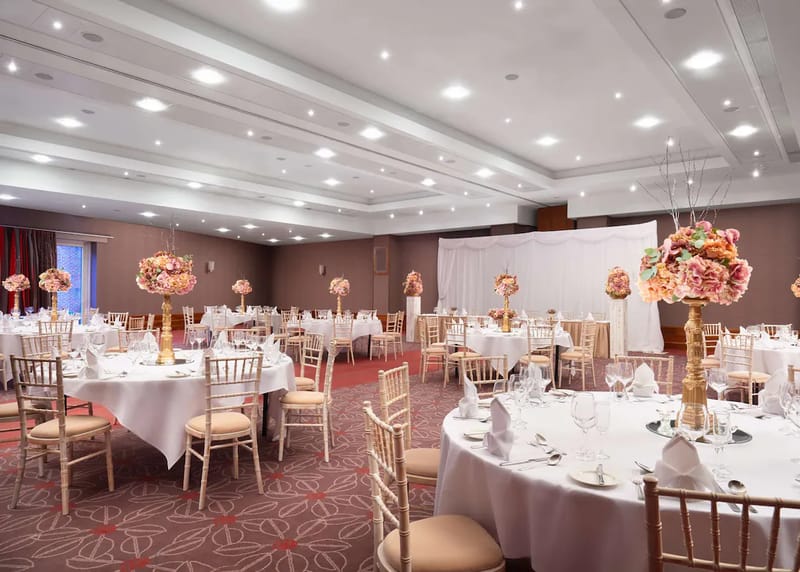
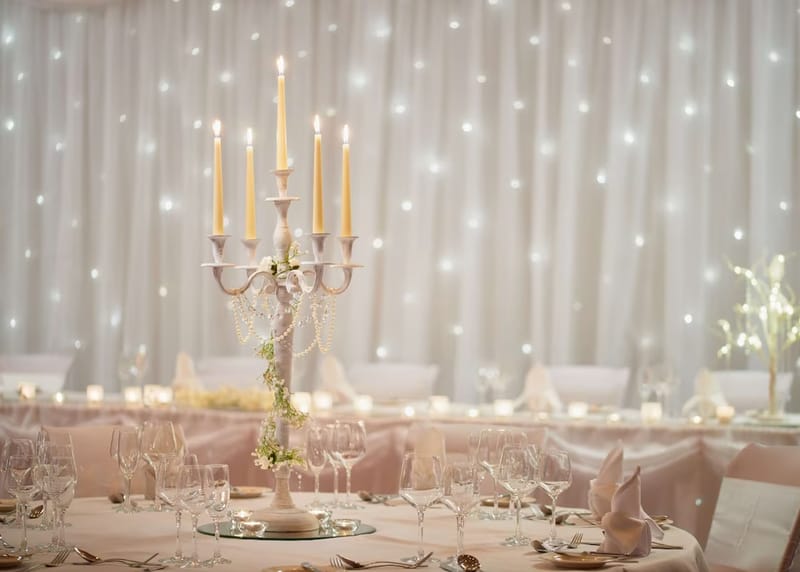
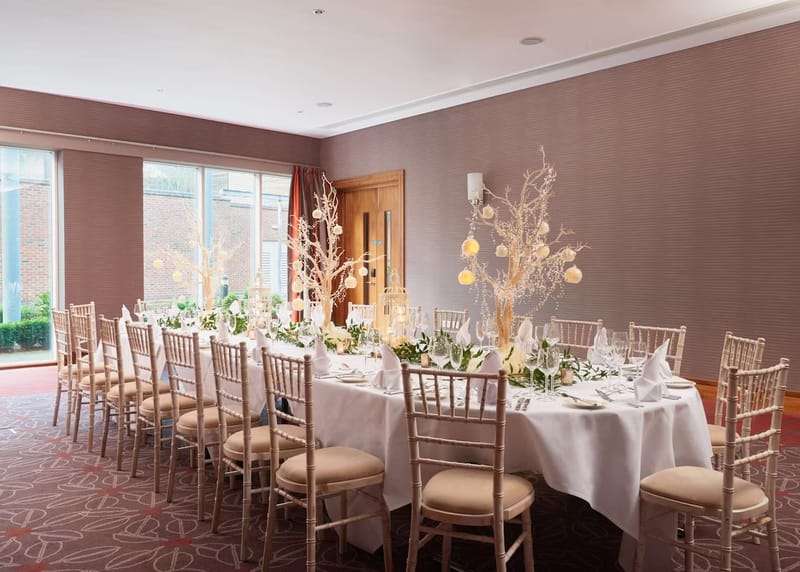

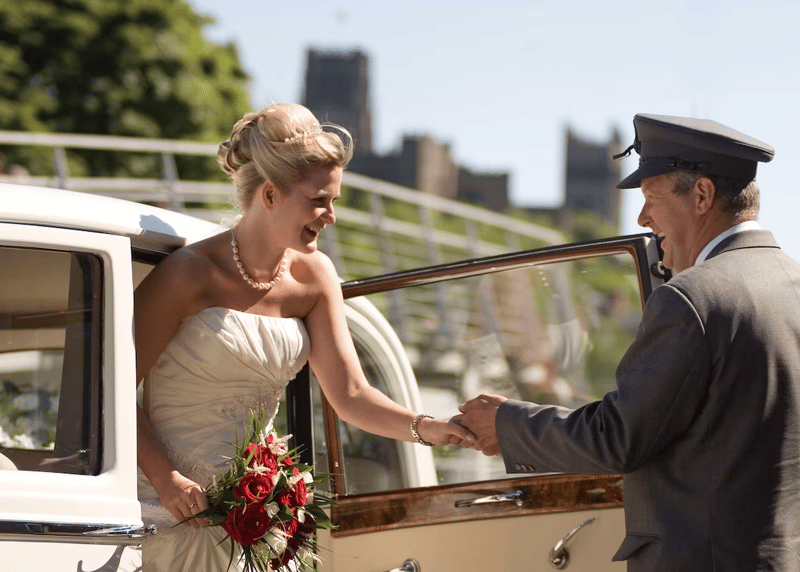
County Durham covers more ground than many couples expect. From the cathedral city that gives the county its name to the wild moorland of the North Pennines, the market towns of the Dales and the Teesside fringe to the south, it offers a range of settings that few counties can match. Wedding venues in County Durham reflect that variety: country houses with long drives and formal gardens, converted barns in open farmland, castle backdrops with real historic weight, hotel packages built around ease of access, and smaller distinctive spaces tucked into market towns and riverside villages.
Durham City itself is one of the most striking settings for a wedding anywhere in England. The cathedral and castle sit together on a peninsula of the River Wear, and that backdrop lifts even the simplest celebration. But the county stretches well beyond the city, and couples who take time to look at the wider area often find that the venues away from the centre suit them just as well, with less competition for dates and a quieter, more rural feel. Whether you are planning a large gathering or something more low-key, wedding venues in County Durham give you plenty of options to explore.
Bridebook data shows that 14% of couples marry outside their home region, often drawn by a venue or a setting that they simply could not find closer to home. County Durham draws couples from across the North East, Yorkshire and beyond, particularly those looking for the cathedral city backdrop or the more remote countryside to the west.
If you want to explore further, you can browse wedding venues in the North East.
Durham City is the natural starting point for many couples planning a wedding in the county. The cathedral and castle sit at the top of the peninsula above the River Wear, and the combination of medieval architecture, riverside walks and compact city centre makes it an unusually rich setting. Venues in and around the city range from hotels with ceremony and reception facilities under one roof to more individual spaces that make the most of the surrounding heritage.
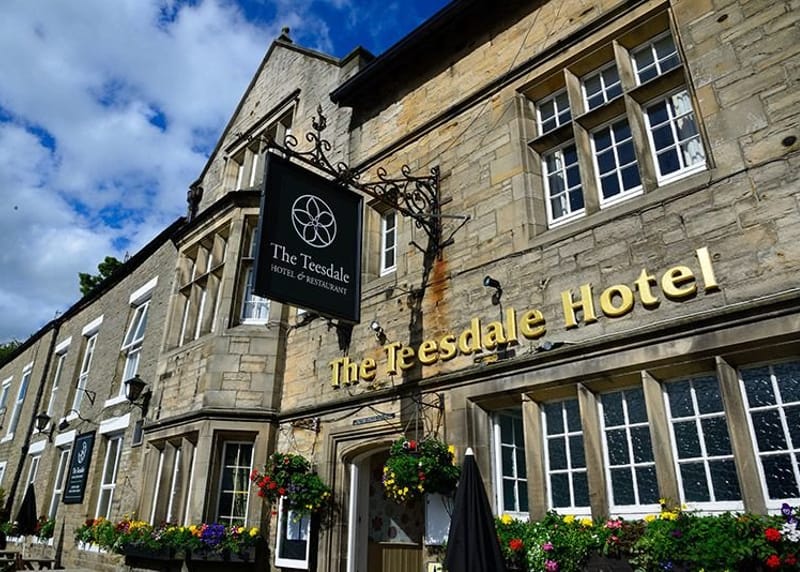
Barnard Castle and TeesdaleBarnard Castle is the main market town of the Dales end of the county, sitting above the River Tees with a ruined castle of its own and a strong local identity. The Teesdale countryside around it is quieter and more agricultural than the areas closer to the city, and venues here tend to offer more space and seclusion, appealing to couples after something away from the busier wedding circuits.
Chester-le-Street and the Wear ValleyChester-le-Street lies between Durham City and the Tyneside boundary, with strong road and rail connections and a mix of hotel and individual venues in the area. The wider Wear Valley, following the river north and west from Durham, introduces country house and estate venues with grounds and overnight accommodation, well suited to larger weddings with guests travelling from further afield.
Bishop Auckland and the western dalesBishop Auckland sits at the foot of the western dales and has seen significant investment in recent years. The town and its surrounding area offer a mix of venue types at generally competitive price points, and the countryside immediately to the west opens up towards the North Pennines Area of Outstanding Natural Beauty, introducing more rural and barn-style options for couples who want open landscape as part of their day.
Couples specifically looking at North Pennines wedding venues will find this the natural starting point, with barn conversions and rural estates suited to smaller, more rural celebrations.
Teesside fringeTeesside touches the southern edge of County Durham and brings hotel and event venues into range for couples who are planning a larger or more urban-feeling celebration. Wedding reception venues on the Teesside fringe tend to be well set up for bigger guest lists, with established catering and accommodation options and good road connections from across the region.
Before you start arranging venue viewings, it is worth working out what kind of day you are actually planning. County Durham offers enough variety that the right answer looks quite different depending on whether you want the drama of a cathedral city setting, the quiet of the western dales, or something practical and well-connected for a large guest list.
When comparing wedding venues in County Durham, consider:
You can also browse barn wedding venues in County Durham and intimate wedding venues in County Durham for more focused searches by style.
Bridebook makes it straightforward to search and compare wedding venues across County Durham, from Durham City to the western dales. With Bridebook you can:
You can also use Bridebook’s wedding planning checklist to keep the whole process organised, and the wedding budget guide to set realistic expectations before you start reaching out to venues.
Bridebook is the world’s #1 wedding planning platform, used by over 2.8 million couples. Our content is informed by real data from the Bridebook UK Wedding Report, which draws on responses from thousands of couples planning their weddings each year. Where expert input is included, contributors are named and their credentials verified. We update our articles regularly to ensure prices, statistics, and advice reflect current market conditions.
Based on data for North East England, couples planning a wedding in the region can expect the following typical costs:
Nationally, 47% of weddings now take place on a Saturday, the lowest proportion ever recorded. Flexibility on day of the week remains one of the most effective tools for couples managing venue costs, and midweek dates in County Durham can offer both availability and savings.
While County Durham is a popular wedding location, it’s less competitive than major cities like London or Manchester, meaning you may not need to book quite as far in advance as you do elsewhere. That being said, you still want to make sure you secure your number one venue in plenty of time, with many venues requiring a lead time of between 12 and 18 months. This could even be two or more years if you’re looking to book a particularly popular venue, or if you’d like to get married during peak wedding season or at the weekend.
If you’re flexible about the wheres and the whens, you’re likely to find somewhere as little as six months ahead. By doing this, there’s also a great chance that you’ll pay less for your big day, too.
Durham City is on the East Coast Main Line, one of the UK’s busiest intercity rail routes. Direct services connect the city with London King’s Cross, Edinburgh, Leeds and Newcastle, with journey times from London of around two and a half hours and from Leeds of roughly an hour. That level of rail access makes Durham City one of the more accessible wedding destinations in the North East, particularly for guests coming from further afield without a car.
By road, the A1(M) runs along the eastern edge of the county and provides fast connections from the north and south. The A690, A167 and A68 connect the city to the wider county, including routes west into the Dales and north towards Tyneside. For venues in Teesdale and around Barnard Castle, the A66 provides the main east-west connection across the bottom of the county.
For rural venues in the North Pennines and Teesdale, it is worth thinking through guest transport in advance. Many of these locations are not easily reached by public transport, particularly late at night. A dedicated minibus running between Durham City, Bishop Auckland or Barnard Castle and the venue can make a significant difference to the evening, and most rural venues will have recommendations for local operators.
Durham City has a reasonable range of hotels and guesthouses, from larger chain hotels on the outskirts to smaller independent options closer to the cathedral. Availability at the most popular properties can move quickly for Saturday dates in summer, so it is worth flagging accommodation options to guests early and, where possible, asking venues about group booking arrangements.
Many of the county’s country house and barn venues offer on-site accommodation or have working relationships with nearby B&Bs and holiday lets, which can simplify logistics considerably for destination-style weddings. Teesdale and the Dales countryside also have a good supply of self-catering properties that suit larger wedding parties travelling as a group.
It is worth discussing accommodation with your venue team as early as possible in the planning process, particularly if a significant proportion of your guests are coming from outside the region. Reserving a room block or arranging a group rate at a nearby property is easier to organise well in advance, and it removes one of the more common sources of stress on the week of the wedding.