How to Create the Perfect Wedding Seating Chart (Step-by-Step Guide)

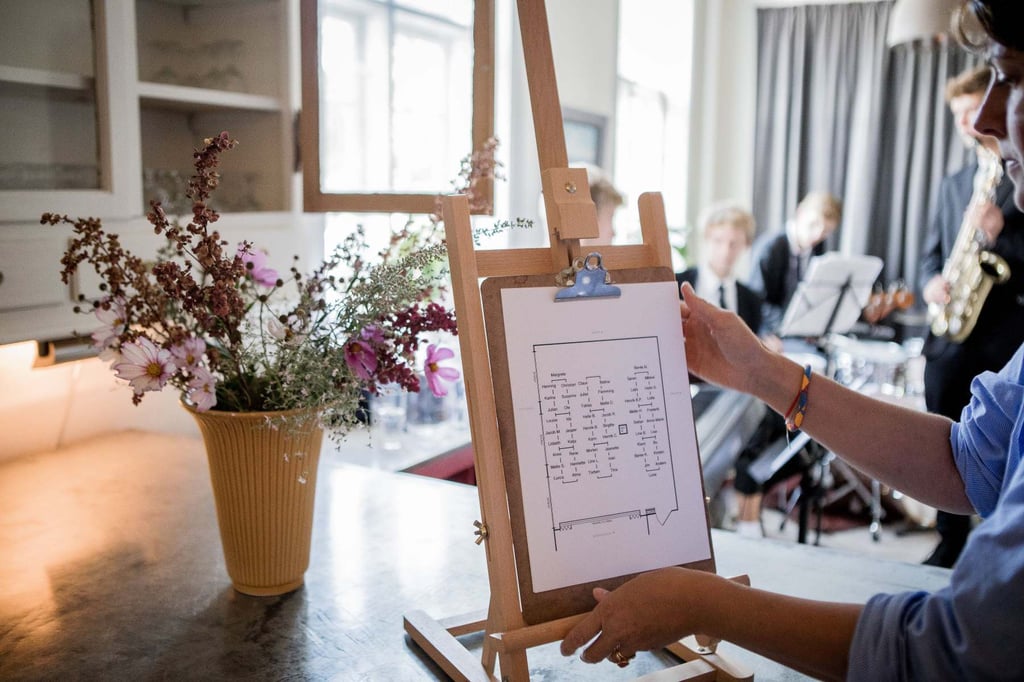
By the time you sit down to create your wedding seating chart, you’ve already done a huge amount of work. The venue is booked, the suppliers are confirmed, the invitations are out. And now comes one of the trickiest tasks of the whole planning process – deciding exactly where 80, 100, or 150 people are going to sit.
It’s not just a logistical puzzle. You’re balancing family dynamics, long-standing friendships, complicated histories, and table capacities, all at once, all while trying to create an atmosphere where everyone feels comfortable and has a good time. For most couples, it takes longer than expected and involves more back-and-forth than they’d like.
The good news is that with a clear, step-by-step approach, it’s very manageable – and the result is a reception that flows smoothly from the moment guests walk in.
Plan your wedding with Bridebook – it’s free.
Why Wedding Seating Charts Matter
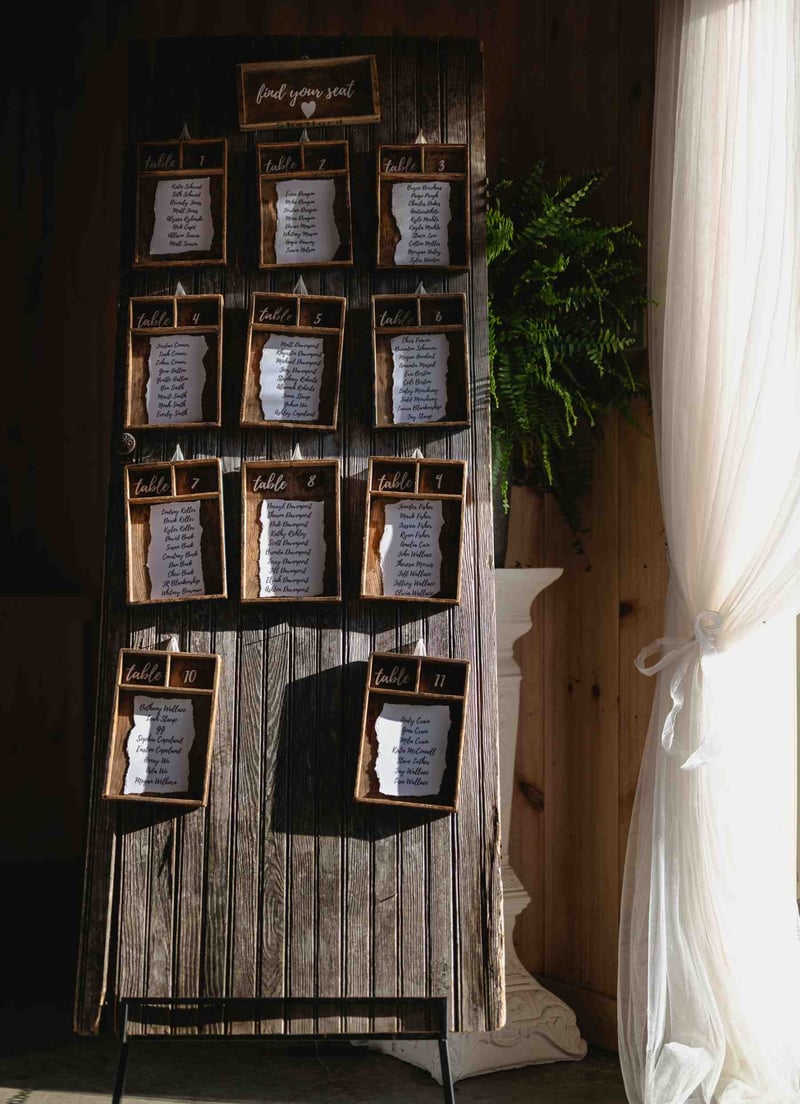
It can be tempting to skip assigned seating and let guests sit wherever they like. For very small, informal weddings, that can work well. For most Canadian weddings, though, a clear seating plan makes a significant difference – to the guests, to you, and to your venue team.
It keeps your reception organised. Guests can find their seats quickly and without confusion, which matters more than you’d think when you have a hundred people arriving at once. Delays at the start of the reception can push every other element of your timeline back.
It improves the guest experience. Thoughtful groupings – placing people with others they know and like – help guests relax, open up, and enjoy themselves. A well-considered seating plan is one of the quieter acts of hospitality at a wedding, and guests notice when it’s been done with care.
It helps your venue and vendors. Your caterers and venue coordinator will rely on your seating arrangement to serve meals efficiently and manage the flow of the evening. A clear plan makes their job easier and reduces the chance of service delays.
It reduces stress on the day. Once the seating plan is finalised, it’s done. No last-minute scrambles, no awkward conversations at the door. One less thing to think about when you should be enjoying yourself.
When to Create Your Wedding Seating Chart
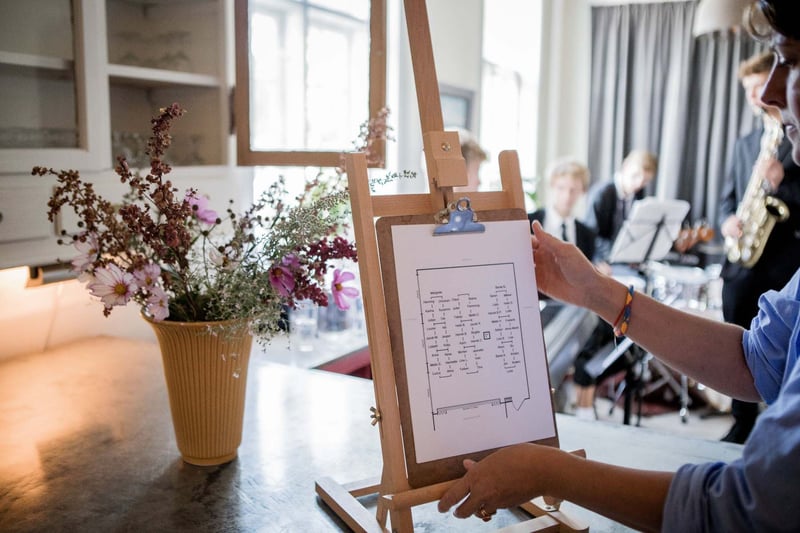
Most couples finalise their seating chart three to four weeks before the wedding, once the majority of RSVPs are confirmed. Starting earlier than this usually means redoing significant portions of the work as responses come in – which is frustrating and time-consuming.
Before you begin, make sure you have:
- A near-final confirmed guest list
- All plus-ones accounted for
- Dietary requirements noted against each guest
- Your venue’s table layout, table sizes, and total capacity confirmed
If you’re still tracking RSVPs, a digital guest list tool makes it much easier to stay on top of responses, dietary requirements, and last-minute changes = all in one place rather than across multiple spreadsheets and message threads.
Step-by-Step Guide to Creating Your Seating Chart
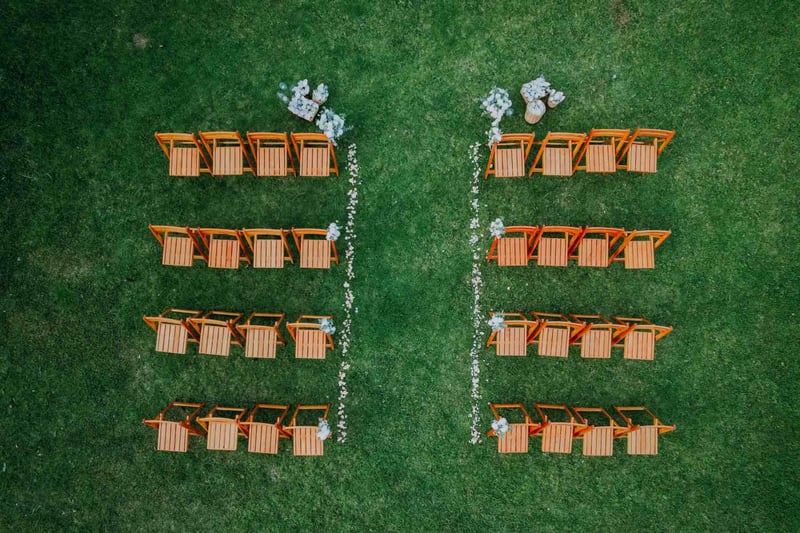
Step 1: Finalise Your Guest List
You can’t assign seats until you know exactly who’s coming. Before you start, make sure your guest list is as confirmed as possible = RSVPs tracked, plus-ones confirmed, any late cancellations removed.
It’s worth noting dietary requirements at this stage too, even if you’ve already passed them to your caterer. Having them visible in your seating plan means your venue team can cross-reference easily on the day, which avoids the awkward situation of a dietary meal landing in front of the wrong person.
Step 2: Confirm Your Table Sizes
Check with your venue on the table options available and their confirmed capacities. Common table sizes at Canadian wedding venues include:
- 6-person tables – well suited to smaller or more intimate groupings, particularly for family tables where the dynamics need careful management
- 8-person tables – a popular standard size that works for most guest groupings
- 10-person round tables – common for larger receptions where maximising capacity matters
Some venues also offer long banquet tables or mixed layouts. If that appeals to your aesthetic, ask about it early – not all venues can accommodate every configuration, and it affects how you group guests.
Knowing your exact table count and capacities before you start grouping saves a lot of reworking later.
Step 3: Group Guests Strategically
This is where the seating chart starts to take shape. Begin by sorting your guest list into broad groups:
- Immediate family
- Extended family
- University or school friends
- Work colleagues
- Shared friend groups from different stages of life
From there, think about which specific people will genuinely enjoy sitting together. The goal isn’t just to avoid conflict – it’s to actively create tables where conversation will flow naturally and guests will feel at ease.
A few practical tips:
- Seat people with others they already know as your default; mixing works best when the people involved are naturally sociable
- Consider energy levels and personalities – a table of all quiet guests can feel flat; a table of all very outspoken guests can feel chaotic
- For guests travelling from other provinces, grouping by geography can be a useful starting point – people with a shared connection to the same place tend to find common ground quickly
One specific note: if you’re tempted to seat single guests together with matchmaking in mind, be careful about making it too obvious.
Your wedding day is a celebration of your relationship – the best you can do for your single guests is make sure they’re surrounded by people they’ll genuinely enjoy spending the evening with.
Step 4: Consider Relationships and Dynamics
This is often the most delicate step, and the one that takes the most time – particularly in families where relationships are complicated.
When reviewing your draft groupings, think about:
- Known conflicts – separated or divorced family members who shouldn’t share a table; guests with a difficult history
- Isolation – anyone who might end up at a table where they don’t know a single person, which can make for a very long evening
- Family hierarchy – close family members, particularly parents and grandparents, typically sit near the head table or couple’s table
- Balance – mixing more outgoing guests with quieter ones tends to create better table dynamics than grouping all the extroverts together
There’s rarely a perfect solution, and trying to please everyone is a path to frustration. Aim for a plan where no one is actively uncomfortable, rather than one where everyone is perfectly placed.
Step 5: Map Out Your Visual Layout
Once your groupings are confirmed, create a visual map of the room. This makes it much easier to spot problems – a table that’s been inadvertently seated too far from the bathroom, or two groups who shouldn’t be near each other ending up adjacent.
Common table layouts at Canadian wedding venues include:
Round tables – the most popular option for Canadian wedding receptions. They encourage conversation across the whole table and work well for groups of six to ten guests.
Long banquet tables – better suited to a more modern, rustic, or relaxed aesthetic. Work particularly well in barn venues, outdoor settings, or industrial spaces. Conversation naturally flows more between immediate neighbours than across the full table.
Mixed layouts – a combination of round and long tables that adds visual interest and allows you to use different groupings for different types of guests. Worth discussing with your venue coordinator to confirm it works with their floor plan.
Using a digital seating tool rather than paper makes it significantly easier to move guests around as you iterate – and you will iterate, usually several times.
Manage your guest list with Bridebook.
Wedding Seating Chart Ideas
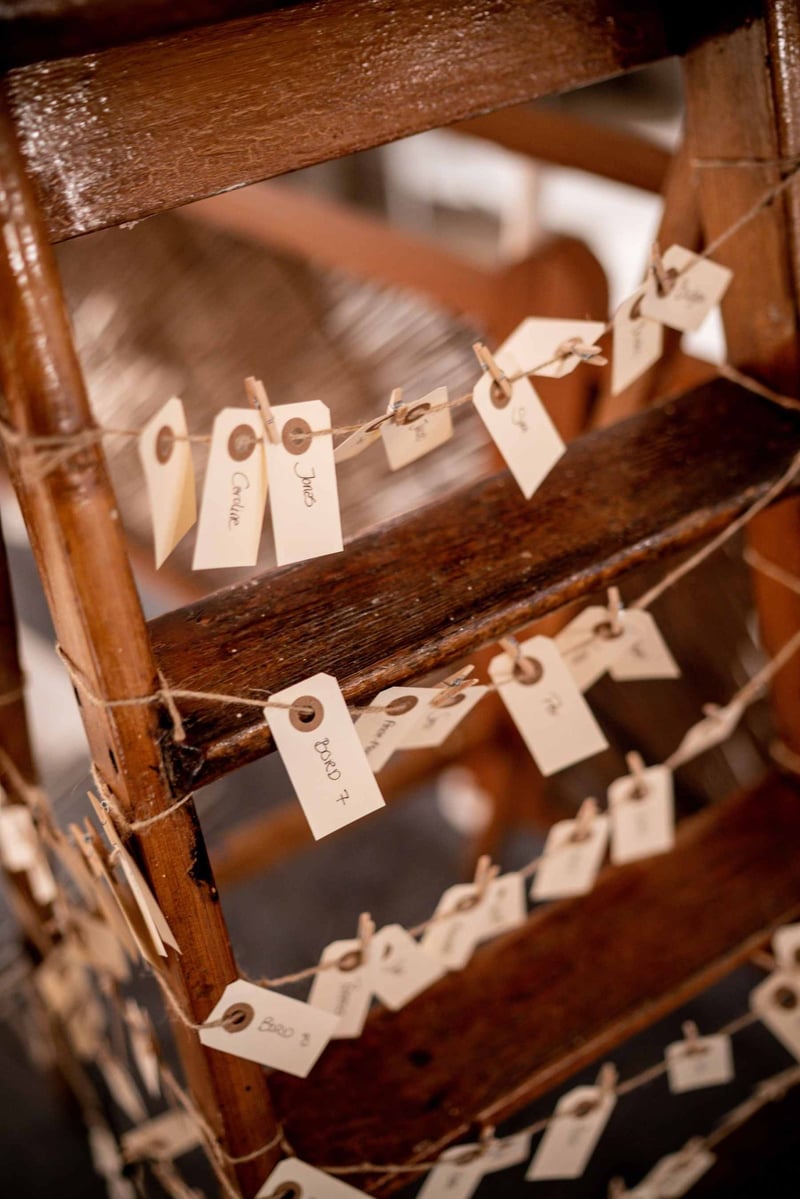
If you’re looking for creative ways to present your seating plan to guests on the day, here are a few popular formats:
Alphabetical seating chart – guests find their name listed alphabetically and are directed to their table number. Works particularly well for larger weddings where guests may not know many other attendees, as it’s fast and straightforward to navigate.
Table-by-table chart – each table is displayed with its assigned guests listed underneath. Better suited to smaller or more intimate weddings where guests are likely to scan for familiar names.
Themed seating chart – tables are named rather than numbered, tying into your wedding theme. Popular options for Canadian weddings include naming tables after provinces or territories, national parks (Banff, Jasper, Algonquin), or cities that hold significance to you as a couple.
Seasonal themes – fall foliage, winter wonderland – also work well given Canada’s distinct seasons.
Escort cards – individual cards for each guest, typically displayed at the venue entrance, directing them to their table. Adds a personal touch and works well for flexible or interactive setups.
For help choosing a visual theme, see our guide to wedding theme ideas.
Wedding Seating Chart Etiquette
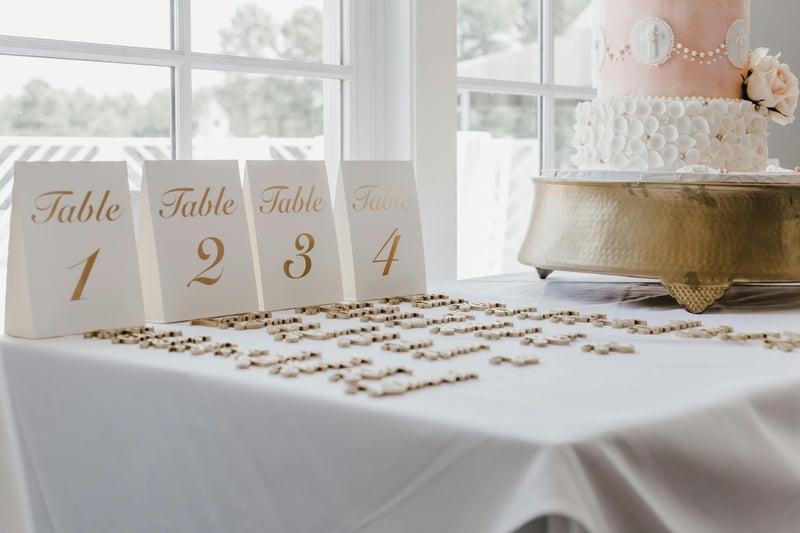
A few etiquette questions come up consistently when couples are building their seating plan.
Should couples always sit together?
Yes, in almost every case. Unless there’s a specific reason to separate them – which is rare – couples should be seated together. Separating them tends to make both people uncomfortable and can feel like an oversight rather than an intentional choice.
Where do parents sit?
Parents are typically seated either at the head table alongside the couple, or at a dedicated VIP table nearby. The priority is that they feel honoured and close to the action – not seated at the back of the room with guests they don’t know.
Where does the wedding party sit?
This depends on your preference. A traditional head table seats the full wedding party together; a sweetheart table seats just the couple at the front, with the wedding party seated among other guests.
The sweetheart table is increasingly popular in Canada as it gives the couple a more intimate space during dinner, while allowing the wedding party to sit with their own partners and friends.
Should you assign tables or specific seats?
Most Canadian weddings assign tables rather than individual seats, which gives guests some flexibility while still keeping the reception organised. Assigning specific seats is more common at smaller, more formal weddings or when dietary requirements make exact placement important.
What about children?
This depends on your guest list and preference. Younger children are typically seated with their parents. A dedicated kids’ table works well for a group of older children who know each other – it gives them their own space and often means they have a better time than they would sitting with adults all evening.
Plan Your Wedding Seating Chart With Bridebook
Once you have your plan, keeping it updated as last-minute RSVPs come in and guests cancel is a lot easier with the right tool.
Bridebook, the world’s #1 wedding planning platform used by over 2.8 million couples, brings your guest list and seating plan together in one place – free on iOS, Android, and web. With Bridebook, you can:
- Manage your full guest list and track RSVPs
- Note and track dietary requirements against each guest
- Keep everything updated as your confirmed numbers change
Create your free Bridebook account and start planning your wedding today,
Frequently Asked Questions
How do I make a wedding seating chart?
Start by finalising your confirmed guest list, then check your venue’s table sizes and capacities. Group guests by relationship and familiarity, consider any sensitive dynamics, and map everything out visually – either on paper or using a digital seating tool.
Most couples complete their first draft three to four weeks before the wedding and revise it several times before it’s final.
When should I create my wedding seating chart?
Most couples finalise their seating plan three to four weeks before the wedding, once RSVPs are confirmed. Starting earlier usually means redoing a significant portion of the work as late responses come in.
How many people should sit at each table?
Typically six to ten guests, depending on your venue’s table sizes. Eight-person round tables are the most common standard at Canadian wedding venues.
Should I assign tables or specific seats?
Most Canadian weddings assign tables rather than individual seats, which gives guests flexibility while keeping the reception organised. Specific seat assignments are more common at smaller or more formal weddings.
What do I do if guests cancel at the last minute?
Use a digital seating tool that allows you to move guests quickly and see the knock-on effect across other tables. Having your seating plan in a flexible digital format – rather than a printed chart – makes last-minute changes significantly less stressful.
Where should the couple sit during dinner?
Either at a traditional head table with the wedding party, or at a sweetheart table for just the two of you. The sweetheart table is increasingly popular as it gives the couple a more intimate space during the meal.
Why Trust Bridebook
Bridebook is the world’s #1 wedding planning platform, used by over 2.8 million couples. Our content is informed by real data from the Bridebook Wedding Report, which draws on responses from thousands of couples planning their weddings each year. Where expert input is included, contributors are named and their credentials verified. We update our articles regularly to ensure prices, statistics, and advice reflect current market conditions.
Last reviewed: June 2026