Wedding Planning Timeline: What to Do 12, 9, 6, and 3 Months Before Your Wedding

Planning a wedding is one of the most rewarding things you’ll ever do – but with so many decisions to make and so many people to book, knowing what to do and when can feel like a puzzle in itself.
Book too late and your first-choice venue or photographer is gone. Try to do everything at once and the whole process becomes overwhelming.
That’s where a clear wedding planning timeline makes all the difference. By breaking your journey into manageable stages, you can tackle each task at the right time, spread your costs sensibly, and actually enjoy the process rather than just survive it.
This guide walks you through exactly what to do at each stage – from more than a year out to the final week – so nothing gets missed and your wedding day goes exactly as you planned.
Start your free wedding planning checklist with Bridebook.
Wedding Planning Timeline Overview

Most couples in Canada follow a 12 to 18 month wedding planning timeline. That’s generally enough time to secure a popular venue, book in-demand vendors, and make decisions at a pace that doesn’t feel frantic.
That said, every wedding is different. If you’re working to a shorter timeline, you can absolutely still plan a beautiful day – you’ll just need to move quickly on the key bookings and stay organised from the start.
A clear wedding planning timeline by month helps you stay on track, avoid last-minute stress, prioritise the bookings that matter most, and spread your costs over time. In Canada, weddings can be a significant investment, so that last point is worth taking seriously.
12+ Months Before the Wedding

This is where the foundations get laid. The decisions you make at this stage shape everything that follows.
Set your wedding budget
Before you book anything, get clear on how much you’re comfortable spending. In Canada, wedding costs vary widely depending on location and guest count, but many couples spend between $25,000 and $40,000 CAD – and sometimes more. Knowing your number before you start looking at venues saves a lot of difficult conversations later.
Think about who is contributing financially, your overall spending limit, and what matters most to you – whether that’s the venue, the food, the photography, or something else entirely. Once you know your priorities, you can allocate your budget in a way that reflects them.
Discover our guide to saving money on your wedding.
Decide your guest count
Your guest list doesn’t need to be final yet, but having a rough idea early matters – it directly influences your venue search, your date options, and your catering costs. At this stage, also think about your preferred season.
Summer and early autumn are the most popular times to get married in Canada, particularly for outdoor weddings, so if that’s your vision, expect strong competition for venues and vendors.
Hire a wedding planner (if you want one)
If you’d like professional support, now is the time to bring in a planner – before you’ve made any bookings.
A good wedding planner’s value comes partly from their industry relationships and ability to negotiate on your behalf; if you’ve already booked your venue and vendors independently, you’ve already bypassed some of that value.
Decide early, and if you’re going for it, go for it properly.
Start your venue search
Your venue is typically your first major booking and your biggest single expense.
Popular Canadian wedding venue options include lakeside settings, banquet halls, rustic barns, and mountain lodges – and the best of them fill up fast, particularly for peak season dates.
Start your search early, visit your shortlist in person, and once you find the right one, secure it.
9–12 Months Before the Wedding
With your venue confirmed, it’s time to build your supplier team.
Book your photographer and videographer
Great photographers book up quickly – this isn’t something to leave until six months out. Start by browsing portfolios to find a style that matches your vision, then check reviews, clarify packages and pricing, and secure your choice with a deposit.
The same applies to videographers if you’re planning to have one.
Choose your wedding party
Let your bridesmaids, groomsmen, and other key members of your wedding party know as early as possible – they’ll need time to plan around the date, sort attire, and contribute to any pre-wedding events. This isn’t something to spring on people at short notice.
Start dress and attire shopping
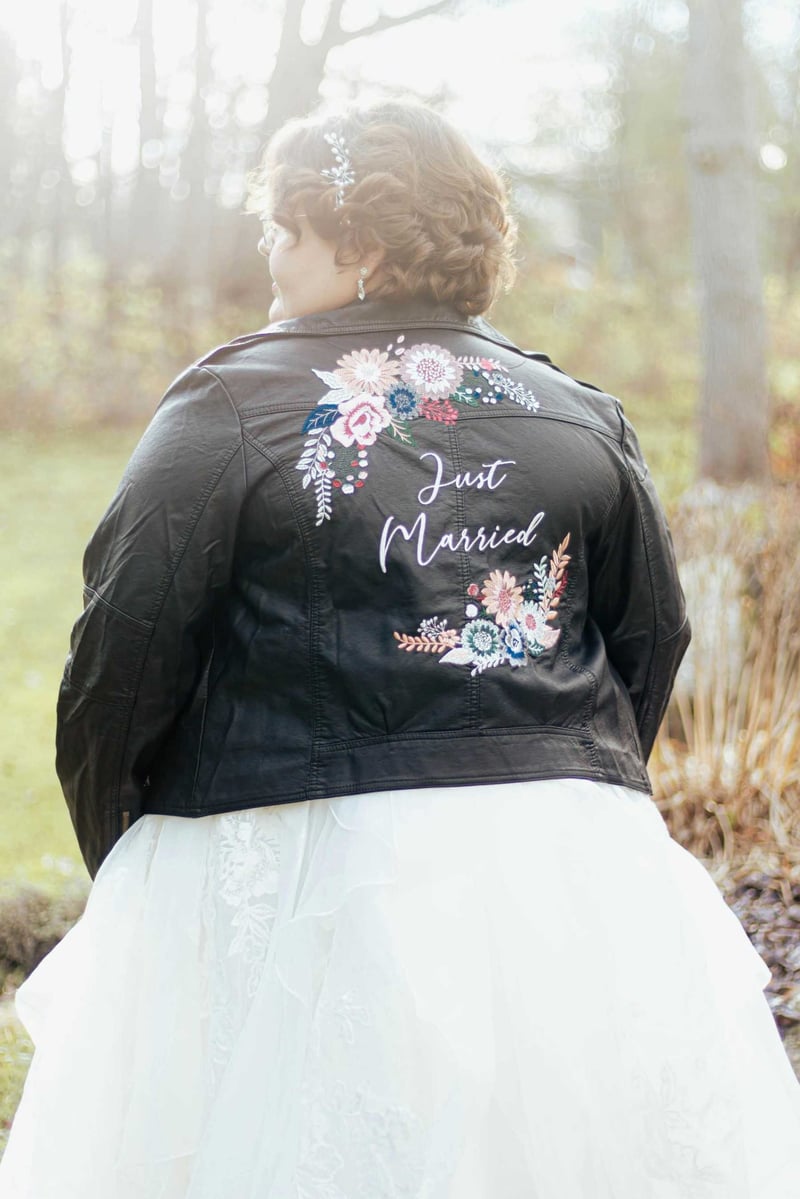
Wedding outfits – dress, suit, accessories, and wedding party attire — can take several months to order and alter. Starting now gives you more choice, more time for fittings, and far less stress as the date approaches.
Book your entertainment
Whether you’re planning a DJ, a live band, or an acoustic musician, entertainment is one of the trickier bookings to get right. Popular acts fill their calendars early, so don’t assume availability. Lock in your first choice now.
Begin researching other vendors
You don’t need to book everyone immediately, but start shortlisting florists, hair and makeup artists, and transport providers so you’re not starting from scratch when the time comes. Knowing who’s out there makes the booking stage much smoother.
6–9 Months Before the Wedding
This is when the details start coming together.
Send save-the-dates
Particularly important if you have guests travelling long distances or planning a destination wedding within Canada. Send save-the-dates at this stage so guests can sort travel and accommodation in good time. Include your names, the date, and your general location.
Choose your florist
If you’ve been doing your research, now’s the time to commit. Meet with your shortlisted florists to discuss bouquet styles, ceremony arrangements, and reception décor, and confirm your booking once you’re aligned.
Plan your décor and theme
Bring your visual vision together by finalising your colour palette, table settings, and lighting. Getting this confirmed now ensures consistency across all your vendors – florist, stationer, and venue stylist – and avoids costly late changes.
Arrange accommodation for guests
If you have guests coming from out of town, give them the information they need to sort their own arrangements. Consider reserving a block of hotel rooms nearby, particularly if your venue is in a remote or rural location.
Book remaining vendors
Lock in hair and makeup artists, transport, and your cake designer at this stage. These vendors are easier to book than photographers and musicians, but the best ones still fill up – don’t leave it too late.
3–6 Months Before the Wedding
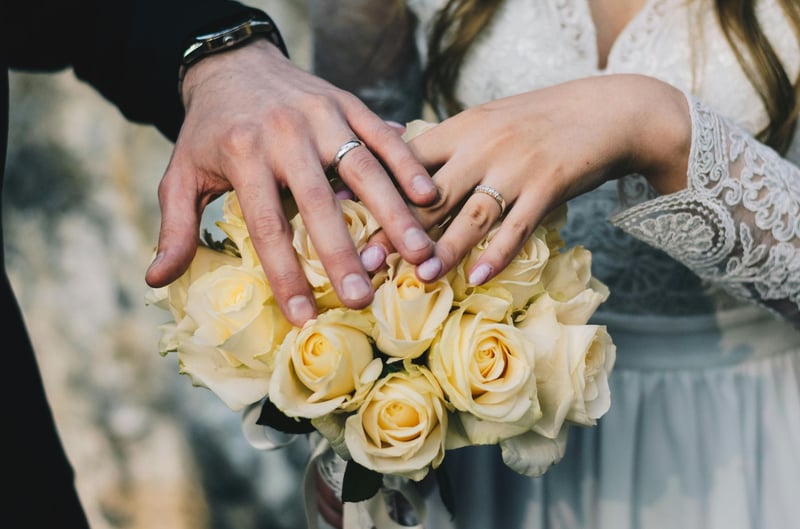
Your wedding is starting to feel real. This stage is about nailing the finer details.
Choose your menu
Work with your venue or caterer to finalise your courses, dietary requirements, and drinks packages. If your venue has a preferred caterer, book a tasting session now to confirm you’re happy before committing.
Send your invitations
Send formal invitations around three to four months before your wedding. Include your RSVP deadline, venue details, accommodation information, and your wedding website URL if you have one.
Give guests enough notice to make travel arrangements, particularly those coming from out of province.
Plan your ceremony
Work with your officiant to finalise readings, music, and the order of events. In Canada, your wedding must be officiated by a licensed marriage officiant – if you haven’t confirmed this yet, do so now.
Book hair and makeup trials
Schedule trials well ahead of the day so you can confirm your look with confidence and make any adjustments if needed.
Order your wedding rings
Allow time for resizing or custom engraving – this isn’t something to leave until the final few weeks.
1–3 Months Before the Wedding
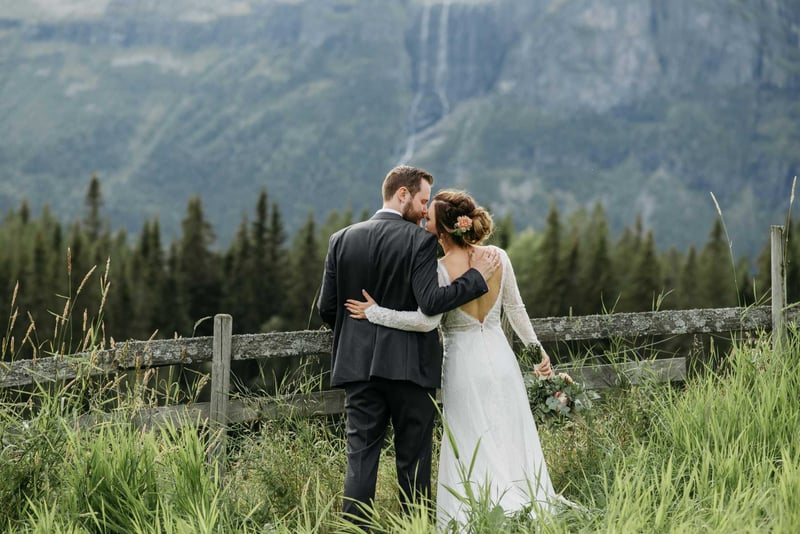
This stage is all about locking everything down.
Finalise your seating chart
A well-organised seating plan makes a real difference to the feel of your reception. Group guests thoughtfully – by relationship, friend group, and family dynamic – and use a digital seating tool to manage changes as RSVPs come in.
Confirm all vendors
Reach out to every supplier to confirm timings, double-check requirements, and make any outstanding payments. Clear communication at this stage prevents problems on the day.
Write your vows
If you’re writing personal vows, give yourself time to reflect and refine them. Expressing how you feel in words that feel right is harder than it sounds – don’t leave this to the week before.
Schedule final fittings
Ensure all outfits – yours and your wedding party’s – fit perfectly and are ready well before the day.
Finalise your guest list
Track outstanding RSVPs and follow up with anyone who hasn’t responded. Confirm your final numbers with your venue and caterer.
Final Week Before the Wedding
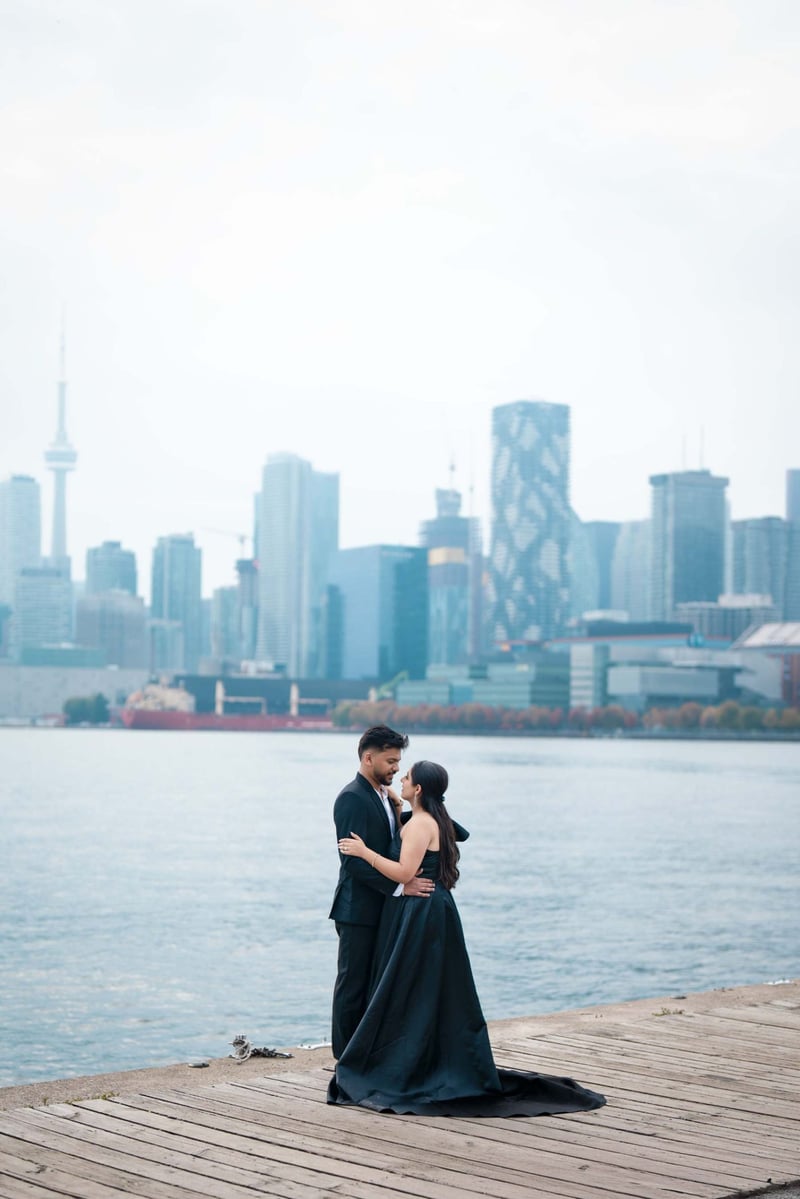
The planning is done. This week is about preparation and presence, not decisions.
- Confirm vendor arrival times and logistics – you don’t want to be fielding calls on the morning of your wedding
- Pack an emergency kit: safety pins, tissues, snacks, pain relief, plasters, and a phone charger
- Rehearse your ceremony so everyone knows where to be and what to do
- Take time to rest and be with the people you love
- Avoid adding new tasks – if it’s not already on the list, it can wait
Create Your Wedding Planning Timeline With Bridebook
Knowing what to do is one thing. Keeping track of all of it is another.
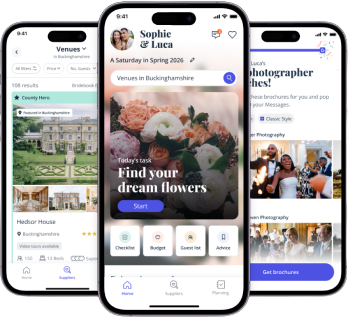
Bridebook, the world’s #1 wedding planning platform used by over 2.8 million couples, brings your entire wedding planning timeline together in one place – free on iOS, Android, and web. Build your personalised timeline, track your checklist, manage your guest list and RSVPs, organise your budget, and discover venues and suppliers across Canada – all in one place.
Create your free Bridebook account and start planning today.
Frequently Asked Questions
How long does it take to plan a wedding in Canada?
Most couples follow a 12 to 18 month wedding planning timeline, which gives enough time to secure venues and vendors without feeling rushed. Shorter timelines are possible – but you’ll need to move quickly on the key bookings and stay organised from the start.
What is the first step in a wedding planning timeline?
Set your budget first. It shapes every decision that follows, from your venue to your guest count to your vendors.
When should I book my wedding venue in Canada?
As early as possible – ideally 12 or more months in advance, particularly for popular dates, peak seasons, and high-demand venues. Summer and early autumn dates go fast.
When should I send wedding invitations in Canada?
Send formal invitations around three to four months before your wedding. Save-the-dates should go out six to nine months ahead, especially if guests are travelling from out of province.
What is a wedding timeline checklist?
A wedding timeline checklist organises your planning tasks by month, so you always know what to focus on next and nothing important gets missed.
Can I plan a wedding in Canada in less than 12 months?
Yes – but you’ll need to prioritise your key bookings immediately and stay on top of your checklist throughout. A digital planning tool like Bridebook makes shorter timelines significantly more manageable.
Do I need a licensed officiant to get married in Canada?
Yes. In Canada, your wedding ceremony must be performed by a licensed marriage officiant. Requirements vary slightly by province and territory, so confirm the rules in your specific location when booking.
Why Trust Bridebook
Bridebook is the world’s #1 wedding planning platform, used by over 2.8 million couples. Our content is informed by real data from the Bridebook Wedding Report, which draws on responses from thousands of couples planning their weddings each year. Where expert input is included, contributors are named and their credentials verified. We update our articles regularly to ensure prices, statistics, and advice reflect current market conditions.
Last reviewed: June 2026